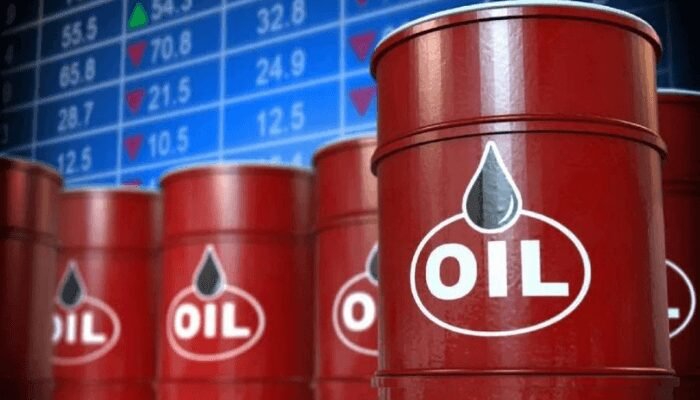

Global energy markets are in a state of freefall as oil prices hit $115 a barrel following a series of escalations in the Persian Gulf. In a stunning diplomatic pivot, President Donald Trump signaled on Thursday that the United States is considering “unsanctioning” Iranian oil currently at sea to stabilize a hemorrhaging global economy. As gasoline and diesel prices surge domestically, the administration is frantically searching for a pressure valve to prevent a full-scale economic collapse.
The South Pars Escalation: Why Oil Prices Hit $115
The current crisis was ignited by an Israeli strike on Iran’s South Pars gas field, the largest natural gas reserve in the world. Despite initial denials from the White House, intelligence sources confirm the U.S. was aware of the plan, which triggered immediate Iranian retaliation against energy infrastructure in Israel, Qatar, and Saudi Arabia.
An Iranian ballistic missile successfully struck the Haifa oil refinery in northern Israel today, while emergency crews in the Gulf are battling fires at multiple petrochemical complexes.
To counter the supply shock, the White House is weighing the legal release of “frozen” Iranian crude tankers. This move would effectively flood the market with millions of barrels of previously prohibited oil to force prices back below the triple-digit mark.
President Trump also hinted at another massive release from the SPR, though analysts warn that dwindling reserves offer less protection than in previous years.
F-35 Emergency and the $200 Billion Request
While the economic war rages, the kinetic conflict reached a new milestone as a U.S. F-35 fighter jet was forced to make an emergency landing after being struck by Iranian fire during a combat mission. This marks the first confirmed hit on a fifth-generation stealth aircraft in the conflict.
In response to the mounting costs of the war, Trump has confirmed a staggering $200 billion supplemental funding request for the Pentagon. Calling it a “small price to pay” for “vast amounts of ammunition,” the President is bypassing traditional Congressional oversight to expedite weapons sales to Gulf allies like the UAE and Kuwait, who are currently shouldering the brunt of Iranian missile volleys.
A Fragile Alliance: Japan Steps Up, NATO Stalls
The diplomatic rift between the U.S. and its traditional allies continues to widen. During a bilateral meeting with Japanese Prime Minister Sanae Takaichi, Trump praised Japan for “stepping up to the plate” to secure the Strait of Hormuz. In a sharp contrast, he lambasted NATO members for their “foolish mistake” in refusing to provide naval support, claiming it is “too late” for them to join the coalition on favorable terms.
”I thought it would be worse, much worse,” Trump remarked regarding the oil price spike. “Actually, I thought there was a chance it could be much worse. It’s not bad, and it’s going to be over with pretty soon.”
The Irony of “Unsanctioning” the Enemy
From my perspective, the administration is trapped in a profound policy paradox. After spending weeks targeting Iranian assets to achieve “regime change,” the U.S. is now considering becoming a temporary customer (or at least a facilitator) of Iranian crude to save the American consumer at the pump.
This “unsanctioning” move reveals the true leverage Tehran holds over the global economy, the ability to turn the Strait of Hormuz into a graveyard for tankers. If Trump follows through, it will be a tacit admission that military might cannot decouple the U.S. economy from Middle Eastern energy realities. With diesel prices already crushing the logistics sector and airline CEOs warning of “inevitable” fare hikes, the White House is learning that while you can “flatten” air defenses, you cannot flatten the laws of supply and demand.