The digital world was rocked on Monday by the announcement that Leo Radvinsky, the majority shareholder of Fenix International Limited (the parent company of OnlyFans), has died following a long battle with cancer. While his family requests privacy, the public discourse surrounding his death is anything but quiet. Radvinsky didn’t just run a website; he architected a platform that turned “pornification” into a trillion-dollar industry, reportedly paying himself $1.8 billion in dividends between 2021 and 2025.
Condemning the Architecture of OnlyFans
While spokespeople describe a “philanthropist and angel investor,” critics see a different picture. What Radvinsky built was a digital marketplace that commodified human intimacy at an unprecedented scale. Under his ownership since 2018, OnlyFans exploded into a $7.2 billion-a-year juggernaut, fueled by a subscription model that blurred the lines between social media and hardcore adult content.
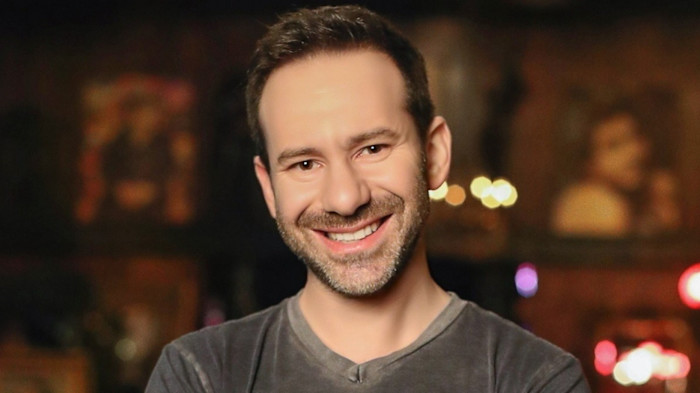
Radvinsky’s platform is widely blamed for the “mainstreaming” of the adult industry, luring millions of young people into a “pay-to-play” lifestyle that offers quick cash at the cost of permanent digital footprints. Despite billions in revenue, the platform has faced relentless criticism for its struggle to prevent non-consensual content and underage access, issues that made the company “unsellable” when Radvinsky reportedly tried to offload it last year. The staggering statistic of earning $1.8 million a day is viewed by many as blood money, wealth extracted from a global loneliness epidemic and the exploitation of creators who often see only a fraction of the platform’s multi-billion dollar profits.
A Fortune Built on a “Shadow” Economy
Radvinsky was a ghost in his own empire, rarely giving interviews and operating from the shadows of Florida real estate. His acquisition of OnlyFans from the Stokely family transformed a niche UK site into a global addiction. Yet, despite his $4.7 billion net worth, the business he built was deemed a pariah by traditional investors. Major banks and venture capitalists repeatedly shunned the platform, citing the “reputational risk” of its adult content business model, a model that Radvinsky refused to pivot away from even at the height of his success.
The Cost of a Digital Vice
From my perspective, Radvinsky’s death serves as a somber reminder that no amount of dividend payouts, even $1.8 million a day, can shield a legacy from moral scrutiny. He was a pioneer, yes, but a pioneer of a “gig economy” that arguably treats human dignity as a disposable asset. As the news of his passing shares headlines with the Iran war and the death of other 2026 figures like Robert Mueller, the conversation around Radvinsky is a stark contrast: while others are remembered for their service to the state, he will be remembered for a platform that many believe accelerated a global moral decline.