Less than 48 hours before the first bombs fell on Tehran, a phone call took place between Prime Minister Benjamin Netanyahu and President Donald Trump. According to sources briefed on the call, Netanyahu argued that a rare intelligence window had opened: Khamenei and his inner circle had moved a high-level meeting forward to Saturday morning, February 28, making them uniquely vulnerable to a “decapitation strike.”
The Argument for Personal Retaliation
Netanyahu’s plea wasn’t just about geopolitics; it was personal. He reminded Trump of the 2024 murder-for-hire plot allegedly orchestrated by Tehran to assassinate him during his campaign. Netanyahu framed the strike as a chance to “get the last laugh” and avenge Iranian efforts to kill the American president. This framing was echoed later by Defense Secretary Pete Hegseth, who noted that Trump ultimately got the upper hand against those who targeted him.
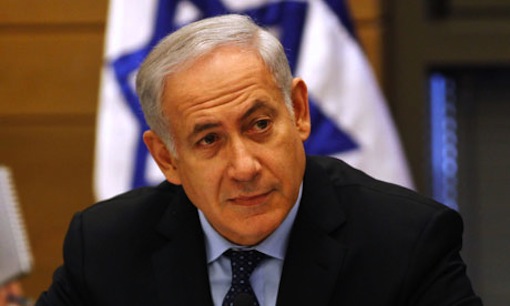
Netanyahu argued that killing the Supreme Leader would trigger an immediate uprising, potentially overthrowing the theocratic system that has ruled since 1979. The groundwork for the strike was reportedly laid during a December visit by Netanyahu to Trump’s Mar-a-Lago estate, where the Israeli leader expressed dissatisfaction with the previous limited operation. While the CIA warned that killing Khamenei would only lead to a more hardline successor, Trump reportedly favored the “Epic Fury” plan designed to annihilate Iran’s Navy and ballistic capacity.
A New Era of Hostility
The result of the February 27 order has been a tectonic shift in global security. Trump announced Khamenei’s death on the evening of February 28, but the promised “democratic uprising” has yet to materialize. Instead, the region is engulfed in a war that has claimed over 2,300 Iranian civilians and 13 U.S. service members, with oil prices reaching historic highs.
A Gamble on “Epic Fury.
This revelation confirms that “America First” has been redefined as “Retaliation First.” Netanyahu successfully pivoted Trump from his campaign promise of “avoiding far-off wars” by appealing to the President’s sense of historical legacy and personal grievances.
The tragedy, however, is the fallout. By killing Khamenei, Trump hasn’t ended the threat; he has replaced an old adversary with Mojtaba Khamenei, a son reportedly even more anti-American than his father. As the Strait of Hormuz remains a graveyard for shipping and the Middle East burns, the “Total Resolution” Trump promised seems further away than ever. The world is now watching to see if this was a masterstroke of deterrence or a catastrophic miscalculation sparked by a single phone call.