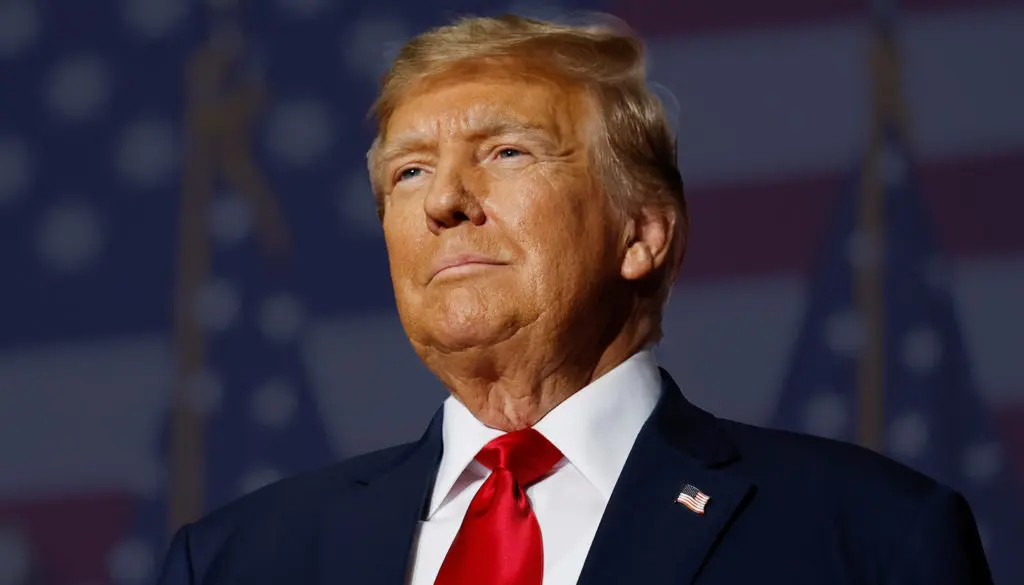

President Donald Trump has declared that any deal to finalize the end of the U.S.-Iran war must include a massive regional shift: major Muslim and Arab nations must immediately sign the Abraham Accords and formally recognize Israel. Following intensive weekend phone calls with regional heads of state, Trump took to social media on Monday morning to state that after all the effort the United States has put into brokering peace, it should be “mandatory” for these nations to simultaneously normalize ties with Israel. Among the prominent nations Trump named are Saudi Arabia, Qatar, Jordan, Egypt, Turkey, and Pakistan. He even went so far as to suggest that once a final settlement is reached, Iran itself should eventually join the peace coalition.
What Are the Abraham Accords?
The Abraham Accords are a series of U.S.-brokered diplomatic, economic, and security agreements originally launched in 2020 during Trump’s first term. Before these accords, most Arab and Muslim nations refused to have any official diplomatic or economic relationship with Israel, conditioning any recognition on the establishment of an independent Palestinian state.

The accords completely flipped this decades-old regional policy. Instead of waiting for a resolution to the Israeli-Palestinian conflict, nations like the United Arab Emirates, Bahrain, Morocco, and Sudan agreed to “normalize” relations. This meant opening direct embassies, launching commercial flights, signing trade deals, and collaborating openly on regional security, mostly to form a united front against their shared enemy, Iran. Now, Trump is using the leverage of an ending war to force the rest of the region into this framework.
The Current Realities of the U.S.-Iran War
To understand why Trump is pushing this mandate right now, it is essential to look at the state of the three-month-old conflict between the United States, Israel, and Iran, which began on February 28. Following heavy American military strikes last year that severely damaged Iran’s underground nuclear enrichment facilities, a tenuous ceasefire has managed to hold since early April.
However, the war has severely disrupted global markets. Iran has utilized its remaining military strength to bottleneck the Strait of Hormuz, the world’s most vital maritime choke point for oil and gas supply lines. By demanding transit fees and threatening commercial vessels, Iran effectively forced a U.S. naval blockade, causing American domestic energy prices to skyrocket and putting heavy political pressure on the Trump administration.
The current peace deal being intensely negotiated behind closed doors in New Delhi by Secretary of State Marco Rubio aims to officially reopen the Strait of Hormuz, permanently halt hostilities, and set a strict 20-year timeline for dismantling Tehran’s nuclear program.
Why Trump’s Mandatory Demand is Extremely Complicated
While Trump is framing this as a done deal, foreign policy experts warn that forcing an immediate, simultaneous signing of the Abraham Accords faces massive, real-world hurdles: The three months of intense regional warfare have left Arab populations deeply angry and highly sensitive to any deals with Israel. Leaders in countries like Saudi Arabia and Qatar face immense domestic political risk if they are seen as abandoning the Palestinian cause under direct American pressure. Senator Lindsey Graham openly warned Arab allies that refusing Trump’s proposal would cause “severe repercussions” for future U.S. relations, highlighting the aggressive leverage Washington is using.
In his public push, Trump explicitly demanded that Egypt and Jordan join the accords. However, Egypt has held a formal peace treaty with Israel since 1979, and Jordan signed its own historic peace treaty in 1994. Turkey has also recognized Israel since 1949. Forcing these countries into a new treaty framework is seen by critics as a redundant political branding exercise rather than a functional diplomatic breakthrough.
Suggesting that Iran, a theocratic republic whose foundational state policy since 1979 has been the total destruction of Israel, would sign a treaty recognizing Israel is considered highly unrealistic by security analysts. While the Iranian lead negotiator and parliament speaker have noted progress on an economic and maritime framework, Iranian officials have explicitly stated that an agreement is not “imminent” and will not include concessions regarding Israel.
Risks Breaking a Fragile Peace
Tying a highly sensitive maritime and nuclear ceasefire with Iran to a mandatory requirement that half the Muslim world suddenly hug Israel is an incredibly reckless piece. It is driven far more by Trump’s domestic approval ratings and his desire for a historic legacy than the actual realities on the ground in the Middle East.
The U.S. economy is feeling the absolute squeeze of the Strait of Hormuz being blocked, and energy prices are hurting everyday people. The primary goal of American foreign policy right now should be completely focused on securing the waterways, locking down Iran’s underground nuclear material, and making sure the ceasefire doesn’t collapse back into active warfare. Instead, the White House is trying to hijack these delicate negotiations to force a historic Saudi-Israeli photo-op.
Forcing leaders like Crown Prince Mohammed bin Salman to “mandatorily” sign a treaty with Israel right after a brutal regional war is a recipe for internal disaster. It completely ignores the intense anger of the Arab public and insults long-standing allies like Egypt and Jordan by pretending their decades-old, hard-fought peace treaties don’t exist just so Washington can brand everything under the “Abraham Accords” label. If the White House pushes this rigid, all-or-nothing demand too hard, they risk blowing up the actual, realistic ceasefire agreement currently on the table. You cannot build long-term, genuine regional peace by holding a gun to your allies’ heads while the ashes of a war are still warm.