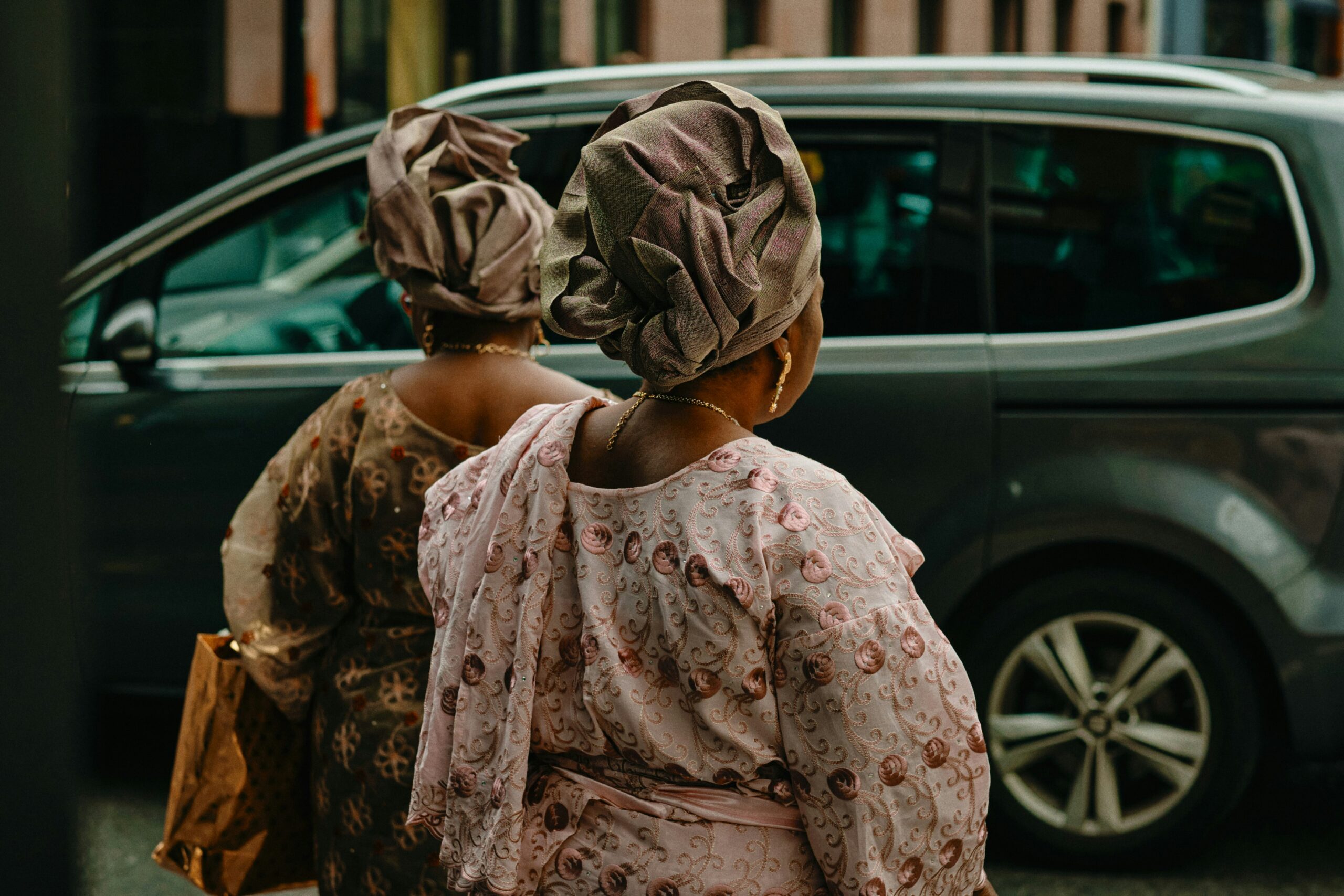

We have either experienced or heard about this phenomenon: a gathering of women, the conversation drifting toward birthdays, and suddenly the air shifts. Someone is calculating. Someone is deflecting. Someone is offering a year that does not quite match the story her face tells.
We tag it “African age” and laugh about it. Over here, the passport says one thing, but reality says another. It is a joke, a running gag, a thing our mothers did and their mothers before them. But like most jokes that survive across generations, it is not really a joke at all.
Here’s what I believe: Nigerian women lie about their age because they have been taught, from birth, that their value is measured in years. And that once those years cross a certain threshold, the value begins to decline.
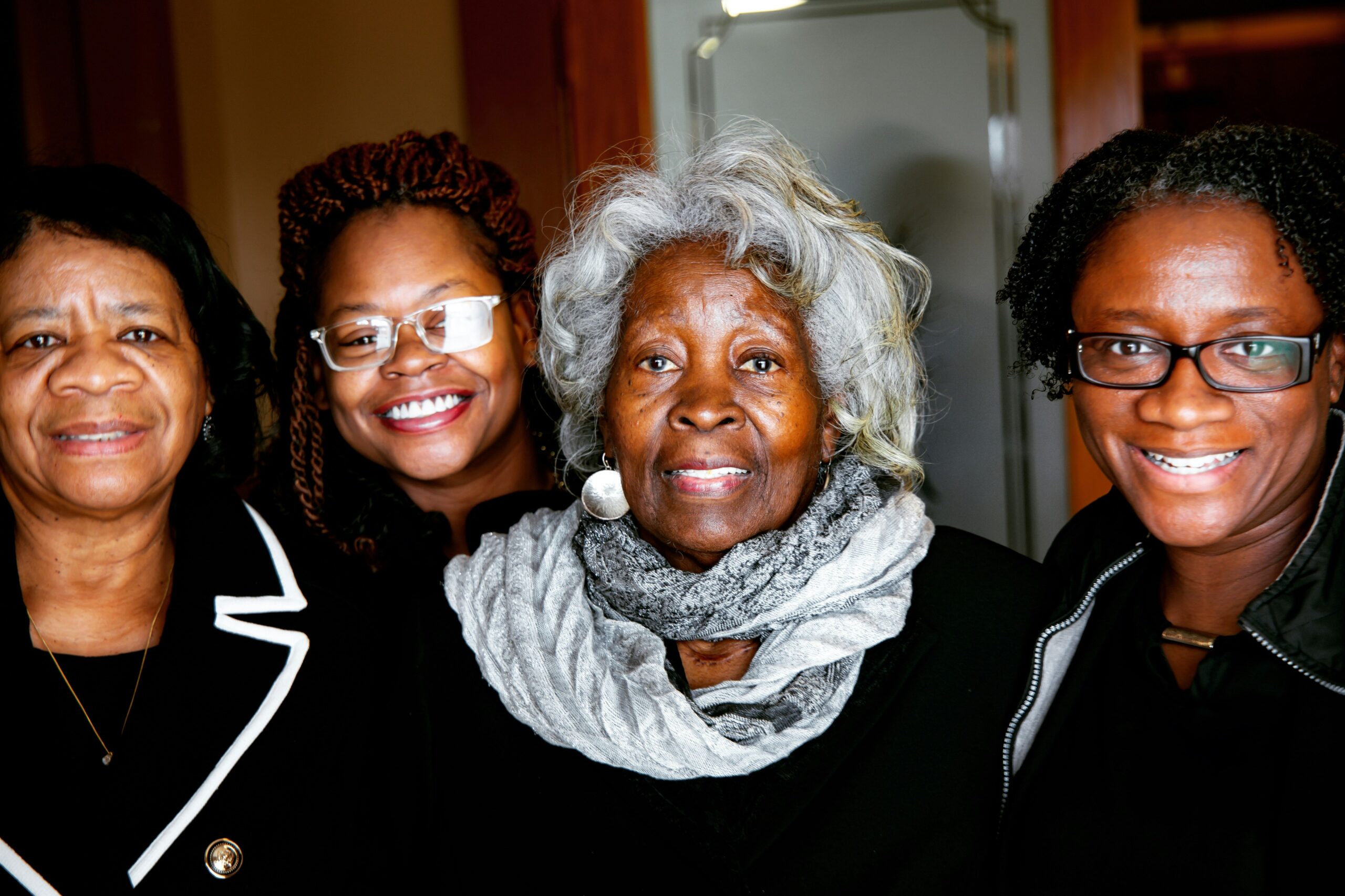
The Arithmetic of Desirability
Ask yourself when the lying begins. It is not at twenty. At twenty, age is a flex, a number you offer freely because it signals potential, promise, the open road ahead. The lie starts somewhere in the late twenties, when the question “how old are you” begins to feel less like curiosity and more like a test.
By thirty, the stakes have sharpened. Marriage is very much expected if you know. Then children. The ticking clock that society installs in every Nigerian woman’s chest. A thirty-five-year-old woman is still young by any reasonable measure, but try telling that to the relatives who ask when she will settle down. Try telling that to the men her age who are looking for someone “younger.” Try telling that to the voice in her head that has been counting down since she turned twenty-five.
So she subtracts. A year here, two years there. Just enough to move the needle, to buy herself breathing room. It is a small lie, she tells herself. A harmless lie. Why not? After all, everyone does it.
The Market Logic of Marriage
To understand why Nigerian women lie about their age, you have to understand how marriage is marketed in this country. A woman is a product on a shelf, and age is her expiration date. The older she gets, the closer she gets to the imaginary discount bin where the pickings are slim, and the offers are fewer.
This is not an exaggeration. Listen to the language used often: “She is of age.” “Her time is running.” “What is she waiting for?” The assumption is that a woman’s desirability has a shelf life, and that shelf life is determined by a number.
Men, meanwhile, are not subject to the same arithmetic. A forty-year-old bachelor is “established,” “finally ready to settle down.” A forty-year-old unmarried woman is something else entirely. The double standard is not subtle. To put it quite frankly, women in Nigeria are subjected to a system designed to keep them anxious about a number that men are free to ignore.
The Workplace Calculus
The pressure does not end at marriage. For Nigerian women in professional spaces, age is another variable to manage. Too young, and you lack authority. On the other hand, too old, and you are said to be past your prime. There is a narrow window where the number works in your favor, and the strategy is to stay in that window as long as possible.
This is why women doctor their resumes. This is why they smile through interviews when asked how old they are, offering a number that has been carefully calibrated to signal experience without suggesting decline. This is why, in an economy where promotions and opportunities are scarce, a few years subtracted can feel like a few points added to your score.
The Mother’s Legacy
We learn this from the women who raised us. Our mothers, our aunties, the older women in our churches and communities. Watch them when someone asks their age. The deflection. The joke. The careful non-answer. They are not just protecting their privacy. They are teaching us, without saying it, that this is what women do.
My mother has two ages: the one on her birth certificate and the one she tells people. I have known this since I was a child. I understood, before I understood anything else, that a woman’s age was something to be managed, not something to be claimed. She was not lying to deceive. She was lying to survive the same arithmetic that I would one day have to do.
What Happens When We Stop?
Imagine, for a moment, a Nigerian woman who does not lie about her age. She is thirty-eight. She says so. No hedging. No jokes. Just the number, offered plainly, like a fact without a charge.
What happens next? Perhaps nothing. Perhaps the conversation moves on, and no one makes a scene. But the woman herself will feel it. The vulnerability of not hiding. The risk of being seen exactly as she is.
This is what we are afraid of. Not the number itself, but what the number represents. The time we have spent. The things we have not yet done. The boxes society says should be checked by now. To say our real age is to be accountable to all of that. To lie is to buy ourselves a little more time to catch up.
But what if we stopped? What if a generation of Nigerian women decided that the arithmetic ends with us? That we will not teach our daughters to subtract. That we will not smile through the questions while shaving years off our lives.
The consequences would be real. Some doors might close. Some men might look elsewhere. Some relatives would have opinions. But something else would open. The freedom of not calculating. The peace of not keeping track of a lie. The knowledge that our value, whatever it is, is not stored in a number.
The Reckoning
The joke about Nigerian women lying about their age is only funny because we all know the reason. We know the pressure. We know the arithmetic. We have done the math ourselves, in our own heads, late at night when no one is asking.
But a joke that hides a wound is not really a joke. It is a silence dressed up in laughter.
The women who come after us deserve better than a system that requires them to subtract themselves. They deserve a world where the question “how old are you” is just a question, where the answer does not determine their worth, their marriage prospects, or their place in the world.
We cannot change mathematics overnight. But we can stop doing it. We can tell our real ages, even when it is uncomfortable. We can refuse to laugh at the joke that asks us to disappear. We can teach our daughters that a number is not a verdict.