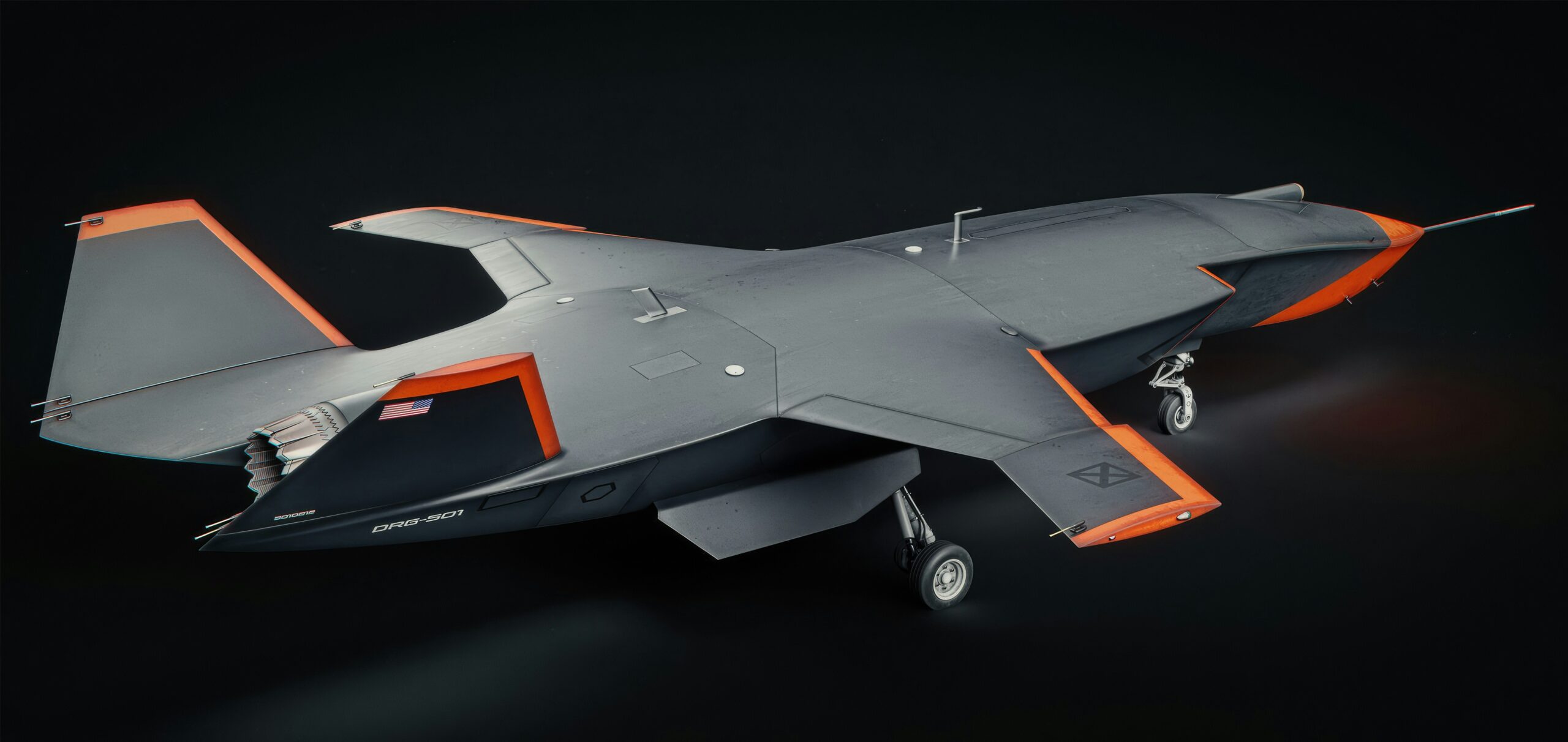

Security in the Baltic region faced a major test this morning after several slow-moving, low-altitude objects were detected over southeastern Finland, the Finnish Air Force immediately deployed F/A-18 Hornet fighter jets to identify the intruders, later confirming territorial violation by drones from Ukraine after at least one AN196 drone was identified and crashed north of the town of Kouvola.
Prime Minister Petteri Orpo has stated that the violation is likely a byproduct of Ukraine’s intensified campaign against Russian oil refineries and export hubs like Primorsk and Ust-Luga. While the Finnish pilot refrained from opening fire to avoid collateral damage, this shows the growing danger of “stray” munitions in a highly contested electronic warfare environment.
The Electronic Warfare Factor
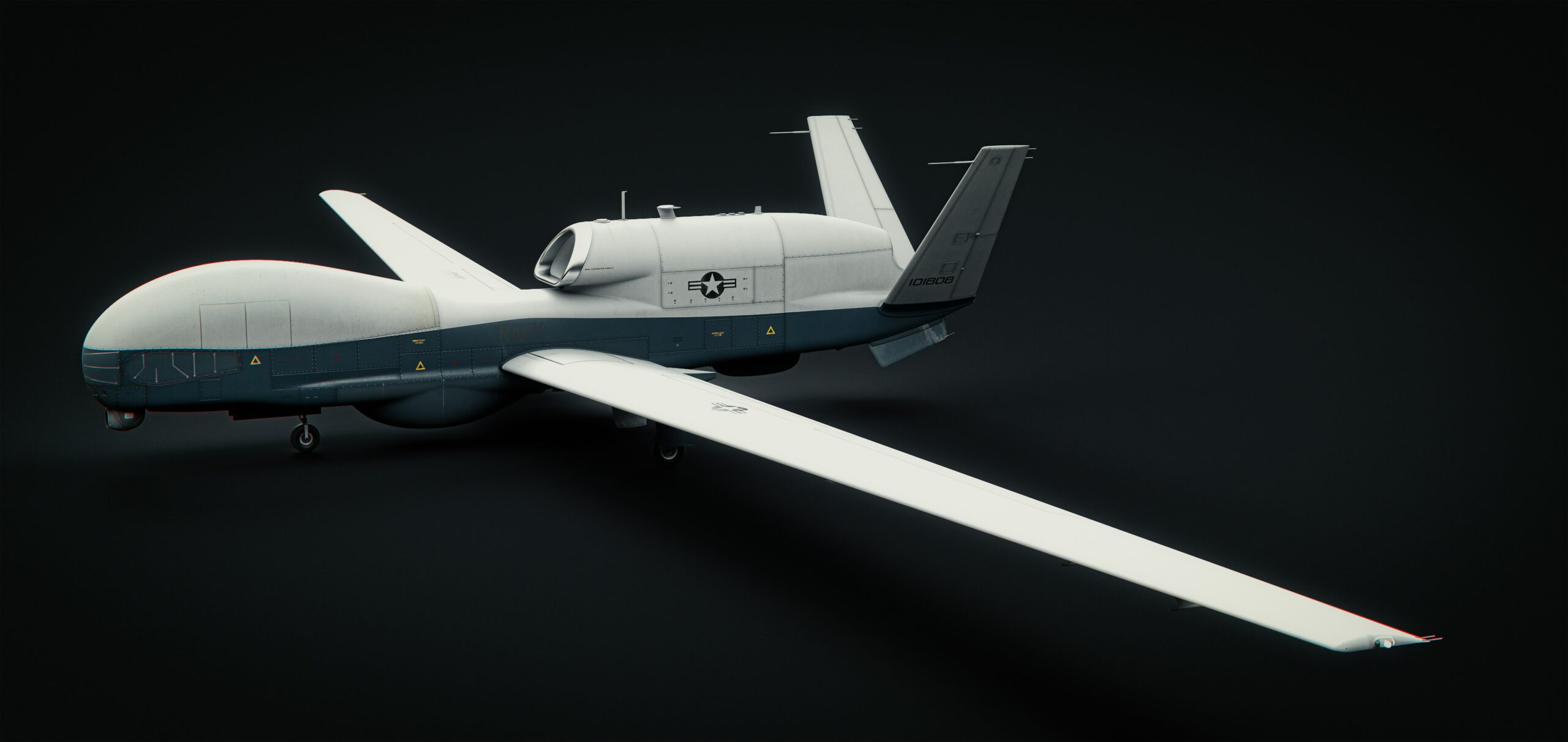
According to Prime Minister Orpo, the drones likely went off-course due to Russia’s “extremely strong electronic jamming capabilities” in the region.
Last week, Estonia, Latvia, and Lithuania reported similar crashes, suggesting a pattern of Ukrainian drones being blinded by Russian signals and drifting into NATO territory. Ukraine has successfully hit all three major Russian oil ports this month, Novorossiysk, Primorsk, and Ust-Luga, in a desperate bid to weaken the Kremlin’s war chest as peace talks remain stalled.
The Finnish Air Force emphasized that their pilots acted with caution, allowing the drones to fall in unpopulated areas rather than engaging them over maritime or residential zones.
A New Headache for NATO
As a new NATO member, Finland must protect its sovereignty, yet it is currently being used as a “crash pad” for drones launched by a partner nation against a common adversary.
If this “drift” continues, it could lead to a catastrophic accident on Finnish soil, forcing NATO to decide whether to activate Article 4 consultations over unintentional strikes from an ally. The “fog of war” isn’t just a metaphor anymore; it’s a physical reality of electronic jamming and stray AN196s falling out of the sky an hour’s drive from the Russian border.