Donald Trump made history Wednesday as the first sitting president to attend Supreme Court oral arguments. He left midway through as his own appointees joined liberal justices in dismantling his executive order ending birthright citizenship — a legal theory that even the court’s most conservative members appeared unwilling to embrace.
The case, the most significant of the court term, stems from an executive order Trump signed on his first day back in office. It sought to end automatic US citizenship for babies born in the United States to parents who are in the country illegally or temporarily — a direct challenge to the 14th Amendment, ratified in 1868, which states that “all persons born or naturalized in the United States, and subject to the jurisdiction thereof, are citizens of the United States.”
For more than an hour, justices across the ideological spectrum — including Trump’s own nominees — expressed deep skepticism that the president could unilaterally rewrite 130 years of settled constitutional law.
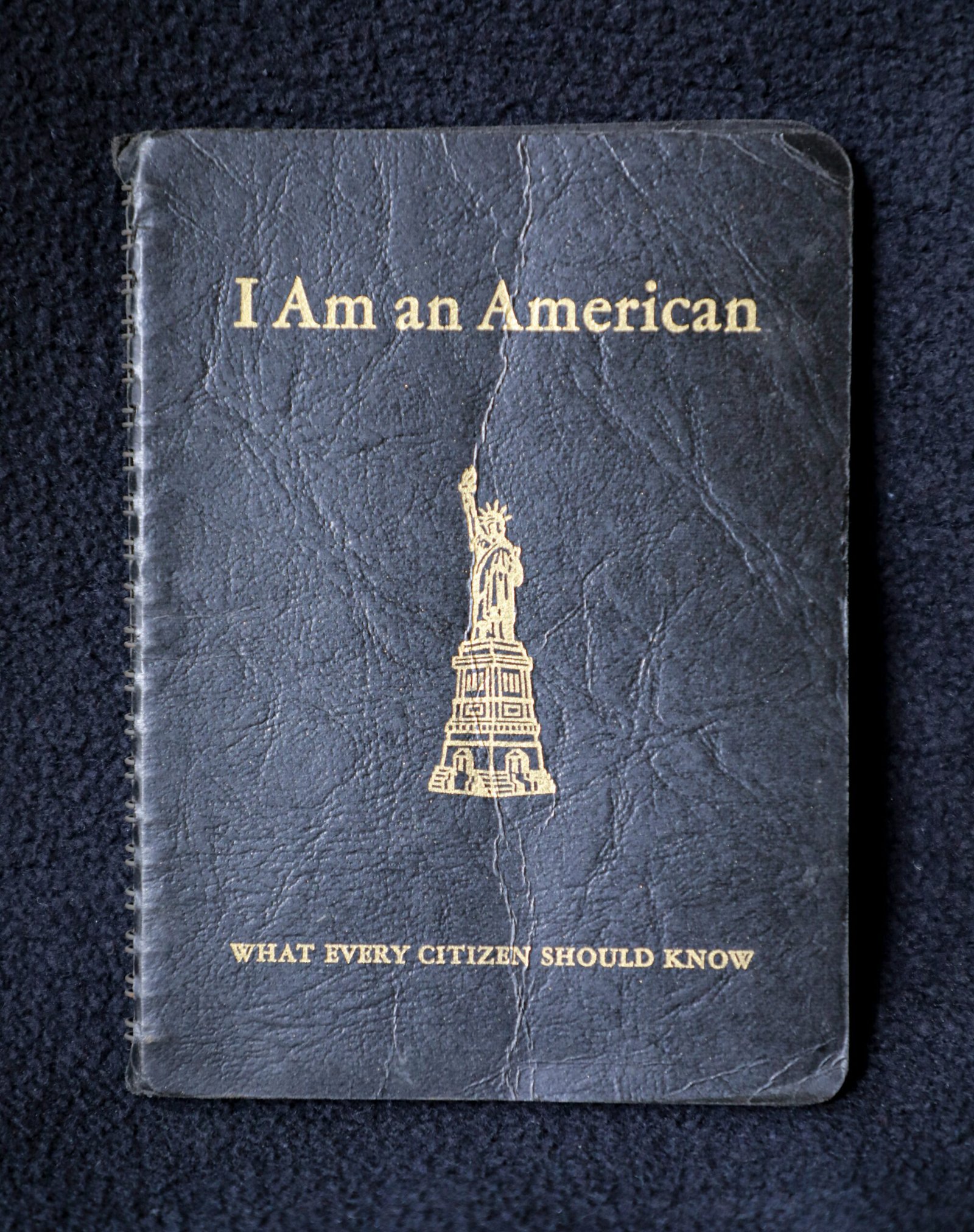
The Delivery Room Question
Justice Ketanji Brown Jackson, a Biden appointee, pressed the government’s lawyer on the practical implications of Trump’s order. If citizenship is not automatic at birth, she asked, how would it be determined? Would immigration officers need to be stationed in delivery rooms to verify parental status before a child could be considered a citizen?
“Is this happening in the delivery room?” Jackson asked, capturing the logistical chaos that opponents say would follow if the order were upheld.
The question went unanswered. But the implication was clear: Trump’s order would require a level of enforcement that Congress never authorized and the Constitution never contemplated.
Roberts and the ‘Quirky’ Argument
Chief Justice John Roberts, appointed by George W. Bush, delivered what may have been the most devastating critique of the administration’s position. He described the government’s legal theory as “quirky” and questioned how narrow historical exceptions — such as children of foreign diplomats or hostile occupying forces — could be stretched to cover millions of people.
“You’re trying to take a very narrow exception and make it swallow the rule,” Roberts told the government’s lawyer.
The comment suggested that even the court’s institutionalist center is unwilling to embrace the sweeping reinterpretation of the 14th Amendment that Trump’s order requires.
Trump’s Own Justices Turn
Justice Neil Gorsuch, Trump’s first Supreme Court appointee, was perhaps the most pointed in his skepticism. He noted that the 1898 case of Wong Kim Ark, which established birthright citizenship for children of non-citizen parents, had never been seriously questioned — and that the government’s position would require overturning that precedent without clear historical evidence that its authors intended otherwise.
Justice Amy Coney Barrett, Trump’s third appointee, also expressed doubt. She asked whether the administration could identify any historical source supporting its interpretation that “subject to the jurisdiction” excluded children of undocumented immigrants. The government’s lawyer struggled to provide one.
Justice Brett Kavanaugh, Trump’s second appointee, was the least vocal of the three but offered no indication he would side with the president.
A History-Making Exit
Trump attended the arguments for approximately 45 minutes, seated with his legal team at the counsel table — a privilege reserved for the government in cases where the United States is a party. No sitting president has ever done so before.
But as the questioning grew more pointed and his lawyer faced a withering grilling, Trump left. He was not present when the hearing concluded.
Earlier, on his Truth Social platform, Trump had attacked the court, calling for the impeachment of judges who had ruled against him in other cases and labeling the judiciary “dumb” and “unpatriotic.”
Those comments hung in the air as his own appointees signaled they would not give him the victory he sought.
What’s at Stake
If Trump’s order were upheld, approximately 250,000 children born annually to parents in the country illegally or temporarily would be denied citizenship. They would be stateless from birth — entitled to no country’s passport, no country’s protection.
Opponents say Trump’s order violates the plain text of the 14th Amendment and ignores the history of its ratification, which was intended to guarantee citizenship to formerly enslaved people and their descendants.
Proponents argue Trump’s new interpretation will allow the government to combat what they call “significant threats to national security and public safety.” But at Wednesday’s arguments, even the justices most sympathetic to that view appeared unwilling to grant the president the authority to rewrite the Constitution by executive order.
What Comes Next
A ruling is expected by late June. But after Wednesday’s arguments, the outcome appears all but certain.
The court will likely strike down Trump’s order — and in doing so, will rebuke a president who has made attacking the judiciary a centerpiece of his political identity.
Trump arrived at the Supreme Court expecting to make history. He did. Just not the history he planned.