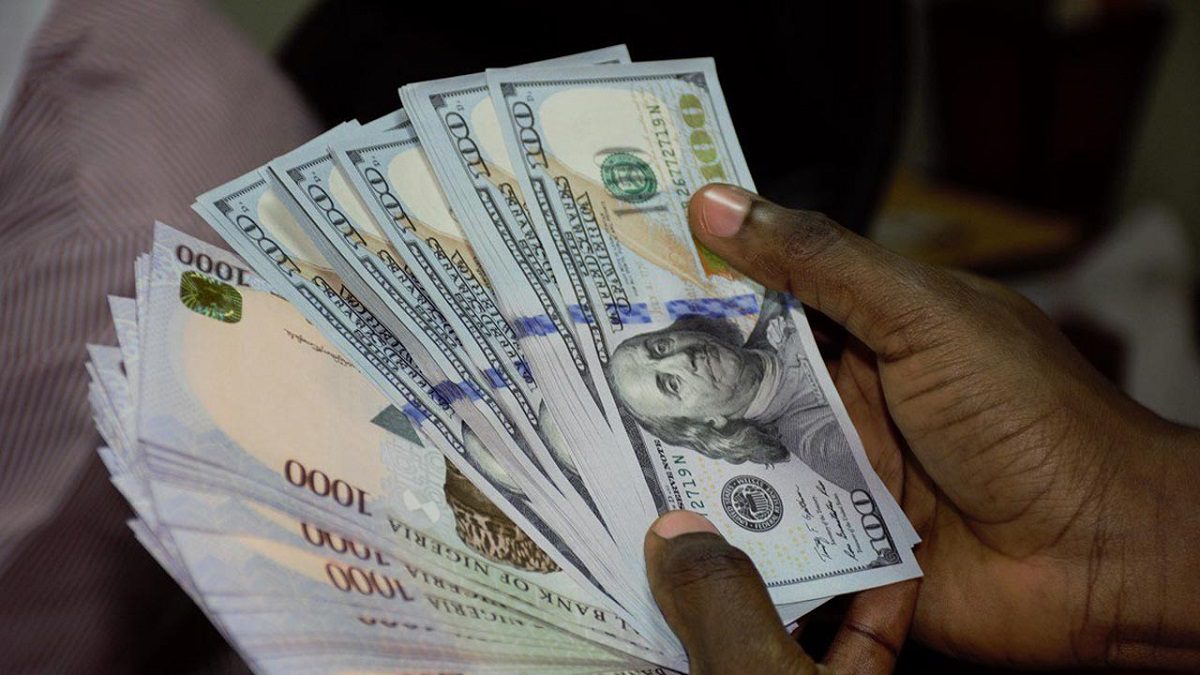
The Nigerian Naira remains under pressure this Friday, showing little movement despite earlier hopes of a slight rebound. Rather than gaining strength, the currency continues to hover at the same levels, weighed down by the persistent dominance of the Dollar, Euro, and Pound. The situation reflects a market where stability exists, but only without any meaningful progress.
What the Rates Look Like Today
In the parallel market on Friday, April 24, 2026, exchange rates remain largely unchanged, though still elevated:
US Dollar: Buying at ₦1,390 and selling at ₦1,400
Euro: Buying at ₦1,570 and selling at ₦1,600
British Pound: Buying at ₦1,780 and selling at ₦1,800
Why the Naira Remains Under Pressure
At the core of the Naira’s struggle is a familiar imbalance—strong demand for foreign currency and limited supply. Businesses, importers, and individuals continue to seek Dollars for transactions, but availability remains tight, allowing major currencies to retain their advantage.
Uncertainty around economic policy also plays a role. Investors and market participants are taking a cautious approach, holding onto foreign currency amid concerns about future policy direction. This behavior further reduces supply in the market, making it harder for the Naira to gain ground.
The Impact on Everyday Life
The effects go beyond exchange rate figures. Nigeria’s reliance on imports means that a weak Naira translates directly into higher costs for goods and services. From food items to transportation and energy, prices remain elevated.
For households, this sustained pressure reduces purchasing power, stretching incomes thinner than before. While the Naira’s current position may suggest stability, the absence of improvement continues to weigh heavily on daily living costs.