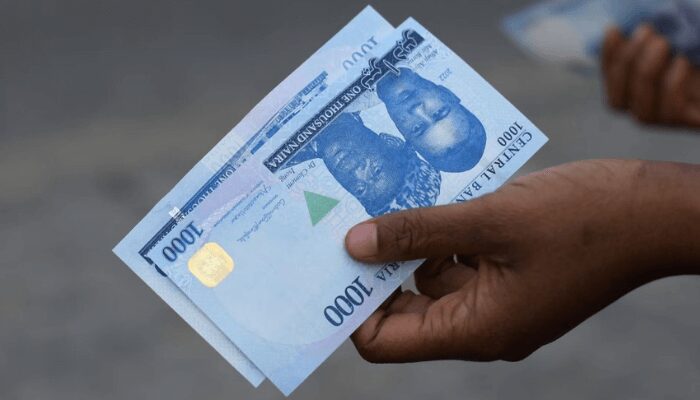

The Nigerian Naira continues to trade within a narrow range this Monday, reflecting stability without progress as major foreign currencies retain their dominance in the parallel market. Earlier expectations of a possible upward shift have eased, leaving the currency largely unchanged and struggling to gain traction.
As of Monday, April 20, 2026, black market rates show only slight movements:
US Dollar: ₦1,380 (Buying) / ₦1,400 (Selling)
Euro: ₦1,570 (Buying) / ₦1,600 (Selling)
British Pound: ₦1,780 (Buying) / ₦1,800 (Selling)
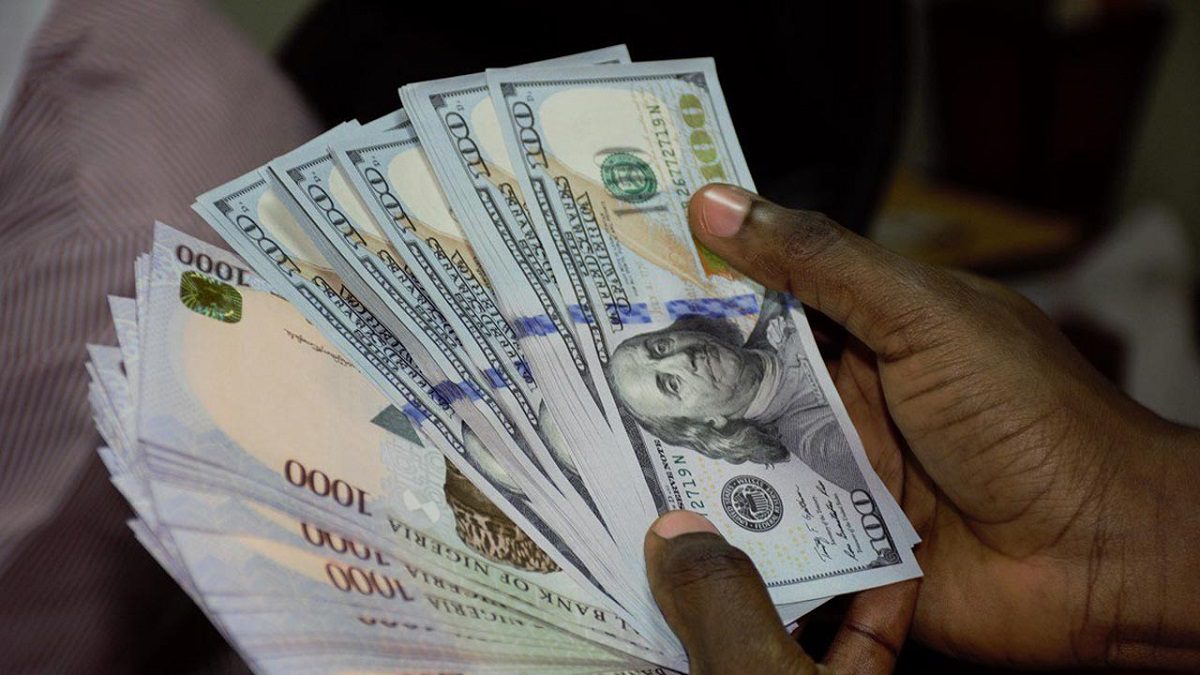
Rather than advancing, the Naira is holding its position, while the dollar, euro, and pound continue to trade from a position of strength. This ongoing pressure leaves little room for any meaningful appreciation of the local currency.
At the core of the issue remains a persistent imbalance; demand for foreign exchange continues to outweigh supply. Without a significant shift in this dynamic, any gains by the Naira are likely to remain temporary.
Market sentiment also remains cautious.
Policy uncertainty and mixed economic signals continue to dampen investor and business confidence, limiting the potential for sustained currency recovery.
Beyond short-term factors, deeper structural challenges persist. Nigeria’s heavy dependence on imports sustains strong demand for foreign currencies, while limited export diversification constrains inflows. This imbalance continues to weigh on the Naira’s outlook.
For many Nigerians, the effects are tangible. Elevated exchange rates continue to translate into higher costs for goods and services, placing an ongoing strain on household finances.
At this stage, the story is less about volatility and more about inertia—the Naira is steady, but lacks the momentum to move forward, while foreign currencies remain firmly in control.