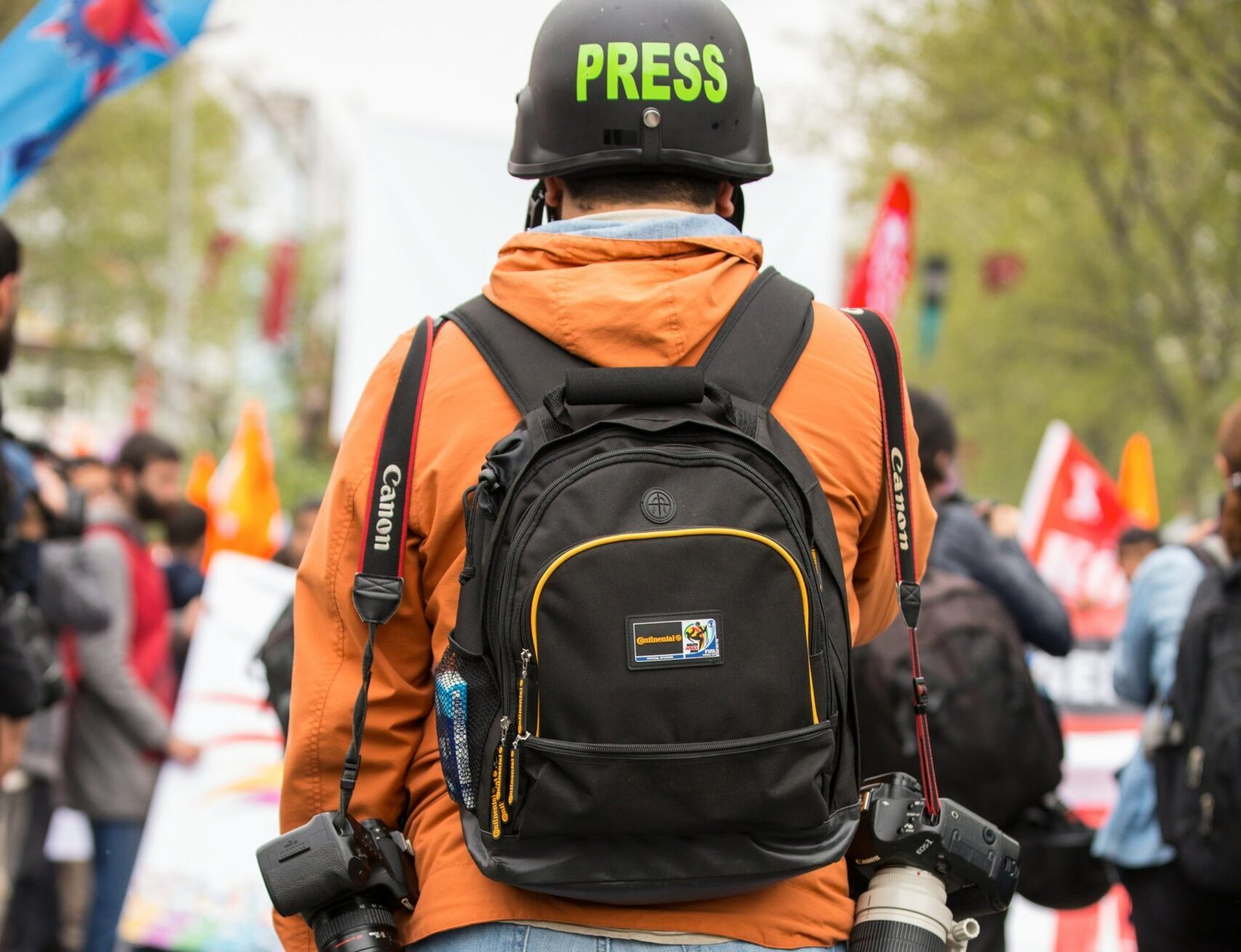

Proceedings at the Federal High Court in Abuja took a restrictive turn on Monday as journalists were barred from covering the bail hearing of six individuals accused of plotting a coup against President Bola Tinubu.
The move was enforced by court officials with the backing of operatives from the Department of State Services (DSS), who instructed reporters to leave the courtroom shortly before Justice Joyce Abdulmalik began the session.
Although no formal explanation was immediately provided, a court official indicated that the directive came from the judge, while a DSS operative said further details would be given later.
Journalists, many of whom had arrived early to cover the proceedings, complied with the order and exited the courtroom around 9:07 a.m.
The development comes as public attention intensifies on the case involving six defendants facing serious allegations, including treason, terrorism, failure to disclose information, and money laundering. All have pleaded not guilty.
Those on trial include Mohammed Ibrahim Gana, a retired major-general; Erasmus Victor, a retired navy captain; Ahmed Ibrahim, a police inspector; Zekeri Umoru, an electrician at the Presidential Villa; as well as Bukar Goni and Abdulkadir Sani, a cleric from Zaria.
The court had earlier fixed April 27 for the hearing of their bail applications and ordered that the defendants remain in DSS custody pending the outcome.
Meanwhile, former Bayelsa State governor, Timipre Sylva, was mentioned in several of the charges but has not been formally listed as a defendant, as he is reportedly still at large.
Investigations into the alleged coup plot had previously led to the arrest of about 40 suspects, including both military personnel and civilians. Out of this number, 36 serving officers are currently facing a separate court-martial in Abuja.
The decision to shut out the media has once again raised concerns about transparency in judicial proceedings, particularly in cases involving national security.
Observers note that access to hearings in the court has been inconsistent, with journalists occasionally asked to leave even after proper identification.
As the case progresses, the restriction has added to growing calls for more openness in the handling of high-profile trials.