Meta CEO Mark Zuckerberg used the company’s first-quarter earnings call last week to spell out exactly where Facebook’s parent company is headed, and the message landed hard. With around 8,000 layoffs scheduled for May 20, capital expenditure climbing to a record $125–145 billion this year, and internal morale at an all-time low, Zuckerberg told analysts that Meta is rebuilding itself around small, AI-powered teams of outsized contributors.
The headcount cuts, he suggested, are less about cost discipline and more about who actually fits into the next version of the company he is trying to build. “We’re streamlining our teams so they aren’t bigger than they need to be,” Zuckerberg said, framing it as a structural choice rather than a reactive one.
CFO Susan Li was equally direct, admitting she “doesn’t really know” what Meta’s ideal size even looks like anymore in an environment where AI capabilities keep shifting what one person can ship in a week.
The AI Revolution Inside Meta
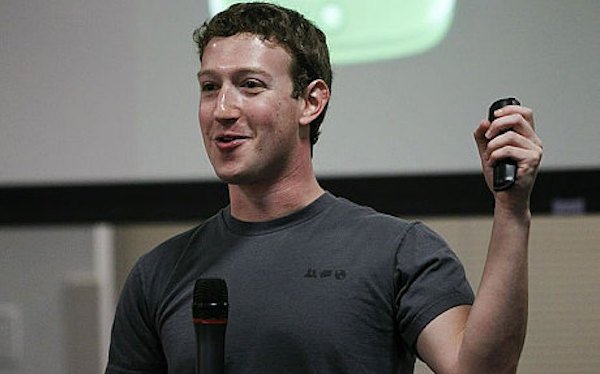
Speaking on the April 29 call, Zuckerberg pointed to a shift he says is now showing up across the company. One or two people, working with AI tools, are shipping in a week what used to take dozens of engineers months to build. He wants Meta to be the first stop for those kinds of builders, with plans to launch many more apps and projects than before.
The company will keep recognizing people with outsized impact, he added, while spinning up far more projects in parallel. Fewer people, more output, more shots on goal.
Li was blunter about the trade-off. Asked what Meta’s ideal headcount actually looks like in 2026, she said she doesn’t have a clean answer when AI capabilities keep moving this fast. What she did confirm: with infrastructure spend nearly doubling year on year, Meta has to keep its employee base in check.
The math is brutal. Meta is funneling more money into data centers, custom chips, and model training than into the salaries that built its enormous ad empire. Li tied the May 20 layoffs directly to that imbalance, framing them as part of a broader push to stay efficient while capex sits at record highs. Investors were not sold — Meta stock dropped 6 percent after the call closed.
The Human Cost
Even with 10 percent of Meta’s workforce on the chopping block, Zuckerberg distanced himself from the gloomier AI-and-jobs framing other CEOs have leaned into this year. “AI isn’t going to replace people,” he told the call, arguing the technology will amplify what individuals can do rather than wipe them out.
That stance puts him at odds with Block CEO Jack Dorsey, who explicitly tied his company’s 40 percent workforce cut to AI progress in February.
For Meta employees, the distinction may feel academic. The company has rolled out an internal tracking tool called Model Capability Initiative that records keystrokes, clicks, and mouse movements to train AI agents. It is grading staff on AI use in performance reviews. Some teams now run with one manager for every 50 engineers, a structure Meta internally calls “ultraflat.”
According to anonymous posts on Blind, internal sentiment at the company is at its lowest on record. Eight thousand people are losing their jobs. Those who remain are being watched, measured, and pushed to perform at levels that once required entire teams.
Zuckerberg’s pitch is clear enough. Meta wants the operators who can build alone what teams used to build together — and is ready to let the rest go.
The Bottom Line
Meta will cut 8,000 jobs on May 20, affecting approximately 10 percent of its workforce. CEO Mark Zuckerberg announced the layoffs during the company’s first-quarter earnings call, framing them as part of a structural shift toward smaller, AI-powered teams. CFO Susan Li said she does not know what Meta’s ideal headcount looks like as AI capabilities rapidly evolve.
Meta is spending a record $125–145 billion on AI infrastructure this year, forcing tough headcount decisions. The company has rolled out internal tools to track employee activity and is grading staff on AI use in performance reviews. Meta stock dropped 6 percent following the earnings call.
Zuckerberg insisted that “AI isn’t going to replace people,” but the company is eliminating 8,000 jobs. For the employees being let go, that distinction is unlikely to matter.