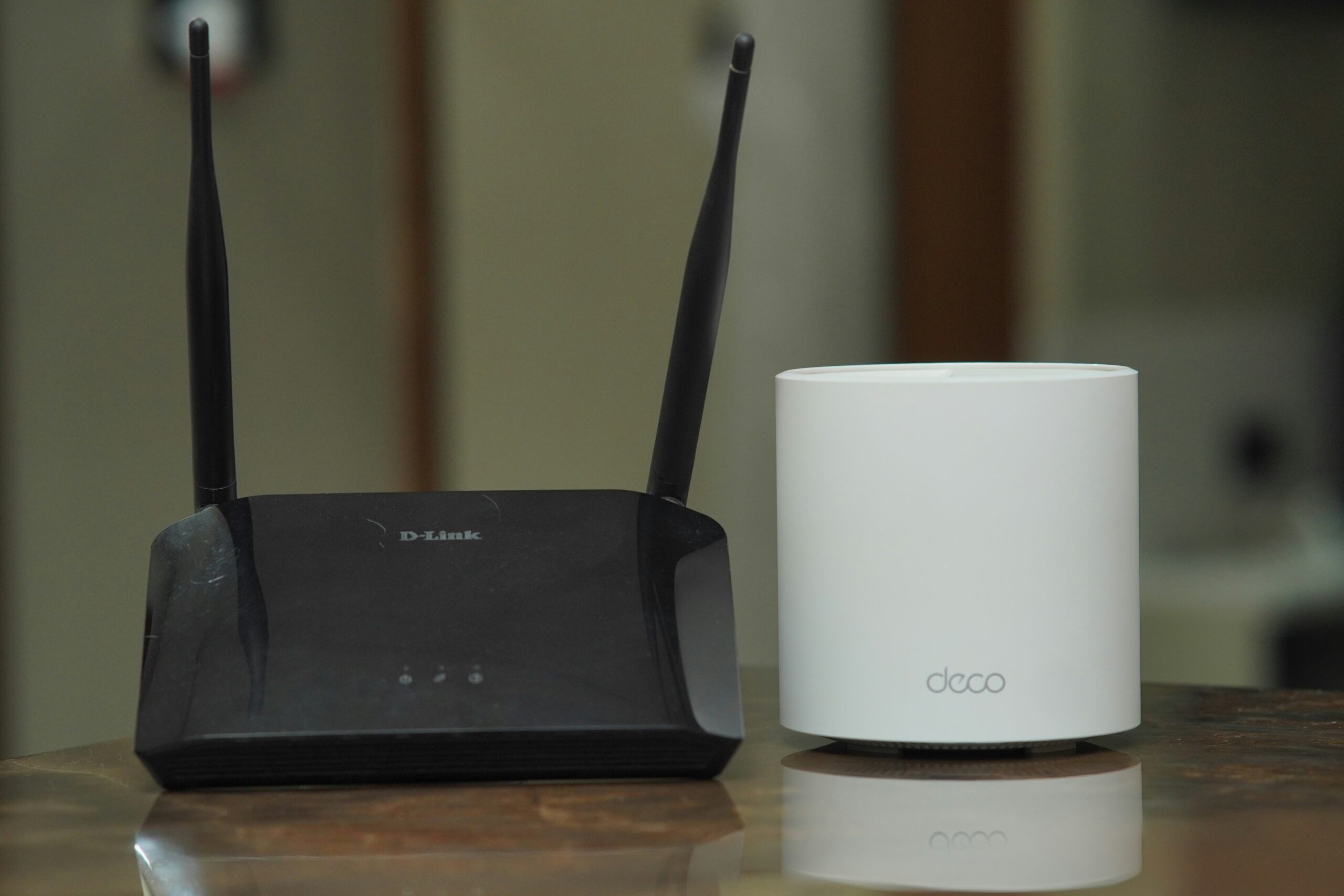

The United States has effectively barred the import of all new foreign-made consumer internet routers, citing “unacceptable” national security risks from cyberattacks linked to Chinese state-sponsored hackers.
In an update on Monday to its list of equipment deemed not secure enough for use, the Federal Communications Commission added all consumer-grade routers manufactured outside the US. The move puts routers on par with foreign-made drones, which were banned late last year.
“Malicious actors have exploited security gaps in foreign-made routers to attack American households, disrupt networks, enable espionage, and facilitate intellectual property theft,” the FCC said in a statement.
What the Ban Means
The prohibition applies to all new router models manufactured outside the US. Existing routers already in homes and businesses remain unaffected.
Any new foreign-made router must now receive conditional approval from the FCC before it can be imported, marketed, or sold in the US. To secure that approval, manufacturers must disclose foreign investors and influence, and present a “time-bound plan” to move production to the United States.
Certain routers may be exempted if deemed acceptable by the Department of Defense or the Department of Homeland Security. Neither agency has yet added any specific routers to its list of exceptions.
The Threat
The FCC’s action follows a Friday decision by government agencies working on national security that internet routers made overseas “posed unacceptable risks” to the US.
Those risks include potentially far-reaching impacts to the American supply chain and the possibility of a cybersecurity attack that could disrupt infrastructure or cause harm to people, according to a summary of the decision.
The FCC specifically cited three cyberattacks—dubbed Volt Typhoon, Flax Typhoon, and Salt Typhoon—targeting US infrastructure between 2024 and 2025. US government investigations attributed the attacks to actors within, or working on behalf of, the Chinese government.
The Industry Impact
The vast majority of internet routers are assembled or manufactured outside the US, often in Taiwan or China. Even routers designed by American companies like Netgear are built abroad. TP-Link, a Chinese brand and best-seller on Amazon, became a focus of US political anxiety last year amid a spate of cyberattacks.
One notable exception is the newer Starlink WiFi router, manufactured in Texas by Elon Musk’s SpaceX.
The market reacted swiftly. Netgear stock jumped more than 16% following the announcement, as investors bet the US company could benefit from the crackdown on foreign competition.
The Loophole
The ban includes a potential escape valve: companies willing to shift production to the US can apply for conditional approval. But the process requires detailed disclosures about foreign ties and a credible plan to onshore manufacturing.
For now, no foreign-made router has been approved under the new rules. And with neither the Pentagon nor DHS yet listing any exceptions, the default is prohibition.
What Comes Next
The ban marks a significant escalation in the US government’s efforts to secure the technology supply chain against perceived Chinese threats. Routers—the ubiquitous devices that connect homes, businesses, and critical infrastructure to the internet—have long been viewed as a weak point.
For consumers, the immediate impact is minimal: existing routers remain in use, and manufacturers have an 18-month window to seek conditional approval. But the long-term direction is clear: Washington wants routers made in America.
Whether the global supply chain can pivot fast enough—and whether foreign manufacturers will accept the conditions attached to approval—will determine whether this ban becomes a permanent wall or a temporary hurdle.