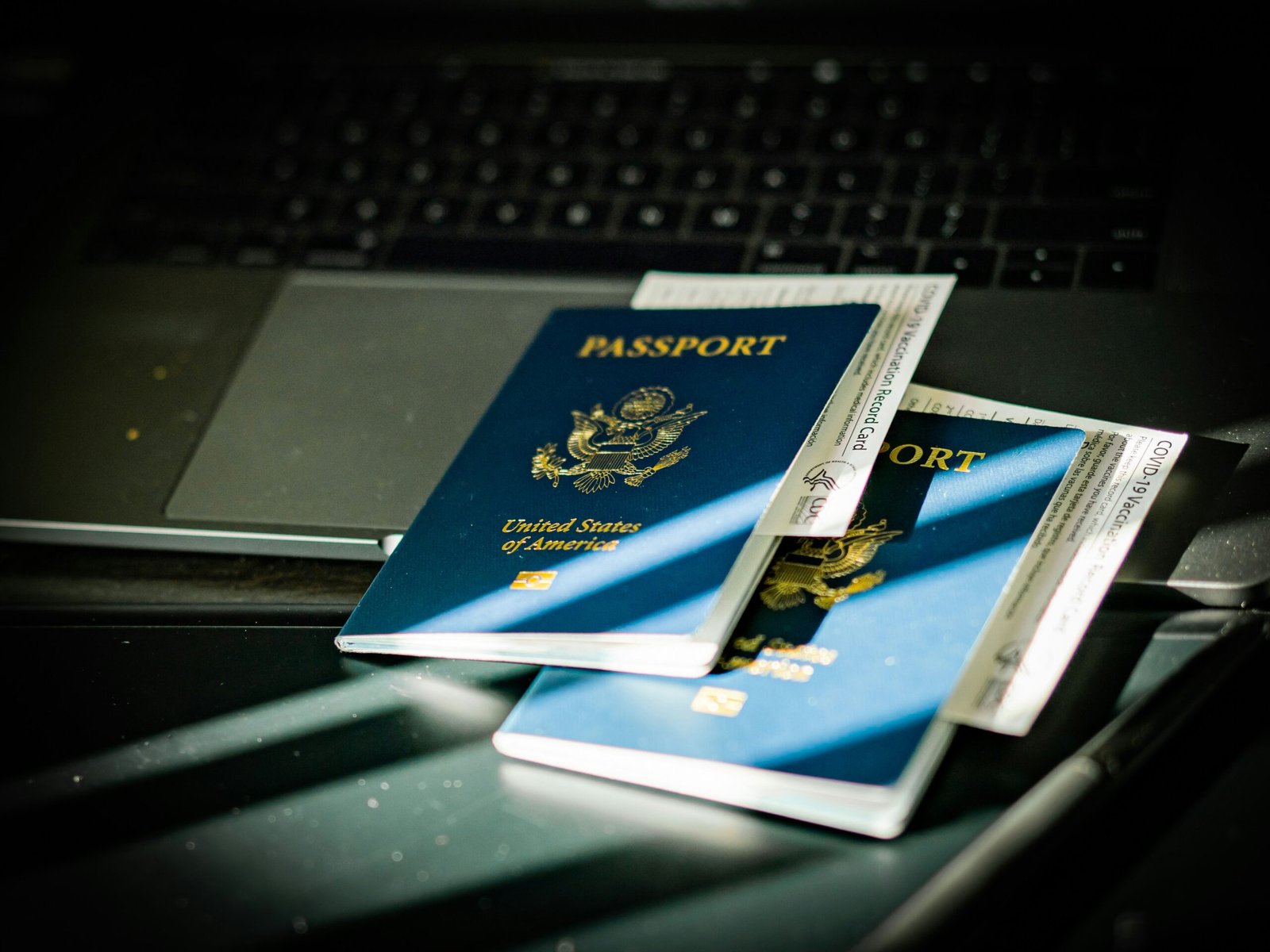

For decades, the oath of allegiance was seen as the final, unbreakable step in the American dream. Once you were naturalized, you were an American, full stop. But the rules of the game have shifted. The Justice Department’s recent announcement of a fresh wave of denaturalization cases has sent a clear message: citizenship is not forever. Naturalization, which was once a rare legal tool used for Nazi war criminals, is now being sharpened into a broad-scale immigration enforcement weapon.
The Widening Net of Denaturalization
On Friday, the Department of Justice (DOJ) initiated proceedings against roughly a dozen citizens. While that number might sound small, it represents a massive statistical leap for a process that averaged only 11 cases per year for nearly three decades.
The targets this time aren’t just high-profile threats; they include white-collar criminals and individuals with historical paperwork discrepancies. Debashis Ghosh, an Indian-origin businessman, is facing the loss of his citizenship over a $2.5 million investment fraud. The DOJ argues his criminal conduct started before his naturalization, making his “good moral character” claim a lie. Beyond fraud, the government is targeting individuals accused of firearms trafficking, terrorism links, and even historical war crimes. The administration is increasingly using USCIS and federal prosecutors to re-examine old files, looking for any “material misrepresentation” that occurred years or even decades ago.
The Erosion of the American Promise
When you make citizenship conditional, you take away the very thing that makes America unique. A naturalized citizen should have the same security as someone born in Kansas or New York.
I find it deeply disturbing that the DOJ is using denaturalization as a routine enforcement tool. If someone commits a crime after becoming a citizen, they should be tried and jailed like any other American. To strip their very identity because of past errors, some of which may be clerical or minor, turns the U.S. passport into a “temporary visa” that can be revoked at the whim of the current administration. This “war” doesn’t protect the integrity of the system; it undermines the trust of the immigrant communities that build this country.
The fear factor in diaspora communities
While the current list includes an Indian-origin businessman, the reverberations are being felt across Pakistani, South Asian, and Latino communities. Civil liberties advocates warn that this aggressive strategy creates a “chilling effect.”
Eligible residents are now hesitating to apply for citizenship, fearing that opening their files for review might lead to a life-altering legal battle.
Denaturalization is a federal court process, but most immigrants don’t have the millions of dollars required to fight the U.S. government in a long-term legal war.
The “Fraud” Catch-All
By widening the definition of “concealing material facts,” the government can potentially target anyone who made a mistake on a form twenty years ago.
The administration argues that they are simply protecting the “integrity of the immigration system.” However, the result is a two-tiered system of citizenship. If you were born here, your rights are absolute. If you were born elsewhere, your rights are now a “privilege” that can be audited, reviewed, and revoked.
As the Justice Department ramps up its efforts, the “forever” promise of the U.S. Constitution is looking more fragile than ever.