The Nigerian Naira entered Thursday, May 14, 2026, with little indication of a major recovery, continuing to trade around familiar levels in the parallel market as foreign currencies maintain dominance across exchange platforms. Expectations that the local currency would regain momentum after April have continued to weaken, with the Dollar, Euro, and British Pound still significantly outpacing the Naira.
Current Black Market Exchange Rates
As of Thursday, May 14, 2026, rates in the parallel market remain relatively stable:
US Dollar: Buying at ₦1,385 and selling at ₦1,395
Euro: Buying at ₦1,605 and selling at ₦1,630
British Pound: Buying at ₦1,848 and selling at ₦1,885
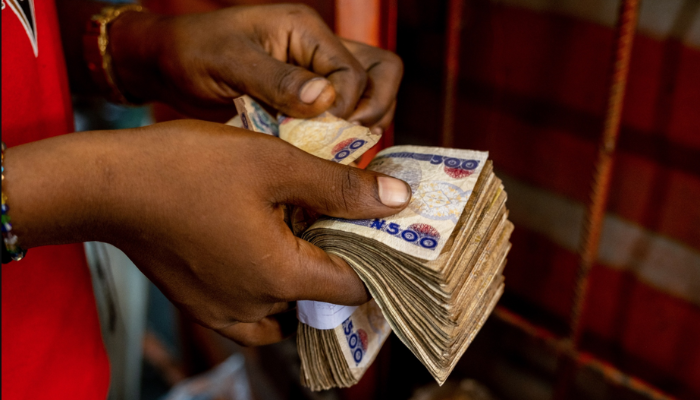
Why the Naira Remains Under Pressure
The Naira’s continued struggle is largely driven by strong demand for foreign currencies across multiple sectors of the economy. Importers, travelers, international students, and businesses still depend heavily on the Dollar, Euro, and Pound for overseas payments and transactions, while forex supply remains limited.
This persistent gap between demand and supply has made meaningful recovery increasingly difficult for the local currency. Inflation concerns and broader economic uncertainty have also pushed many traders and investors to hold onto foreign currencies instead of selling, further tightening supply within the market.
The Effect on Everyday Nigerians
For many Nigerians, the impact of the weak Naira continues to reflect in daily living costs. With the country still heavily reliant on imported goods and services, elevated exchange rates are contributing to higher prices for food, fuel, transportation, electronics, and other essential commodities.
The result is mounting financial pressure on households and reduced purchasing power for consumers already struggling with the rising cost of living. Although the Naira appears relatively stable heading further into May, the absence of any meaningful appreciation means many Nigerians are yet to experience real economic relief.