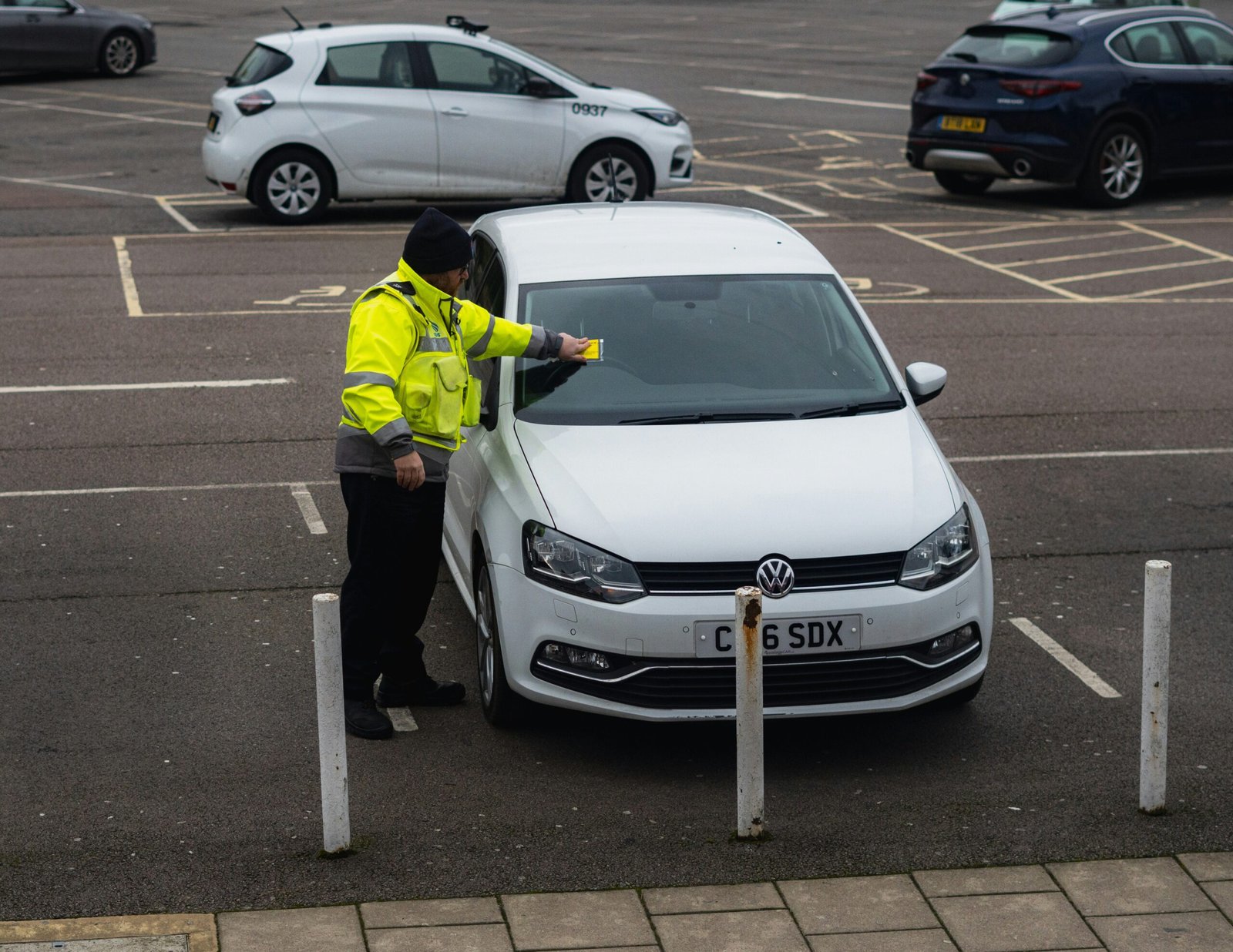

Residents and officials in Baltimore are questioning why the city has failed to recover millions of dollars in unpaid parking and traffic violation fines as it struggles with a projected $64 million budget deficit.
Concerns intensified after a recent city audit uncovered more than $4 million in uncollected revenue, though some residents believe the real figure is significantly higher.
Residents in the Federal Hill area said frustrations over reckless driving and unpaid citations have been building for years. According to them, the issue became more serious after a speeding vehicle crashed into the entrance of Federal Hill Park three years ago.
“A car came up here going 50 mph, hit that island and took out a tree,” one resident said. “That’s when I said, this is crazy. This is crazy.”
Following the incident, community members began reviewing public records on the city’s Open Baltimore platform and tracking traffic violations issued across the city.
They claimed their findings revealed more than 100,000 accounts linked to unpaid parking tickets.
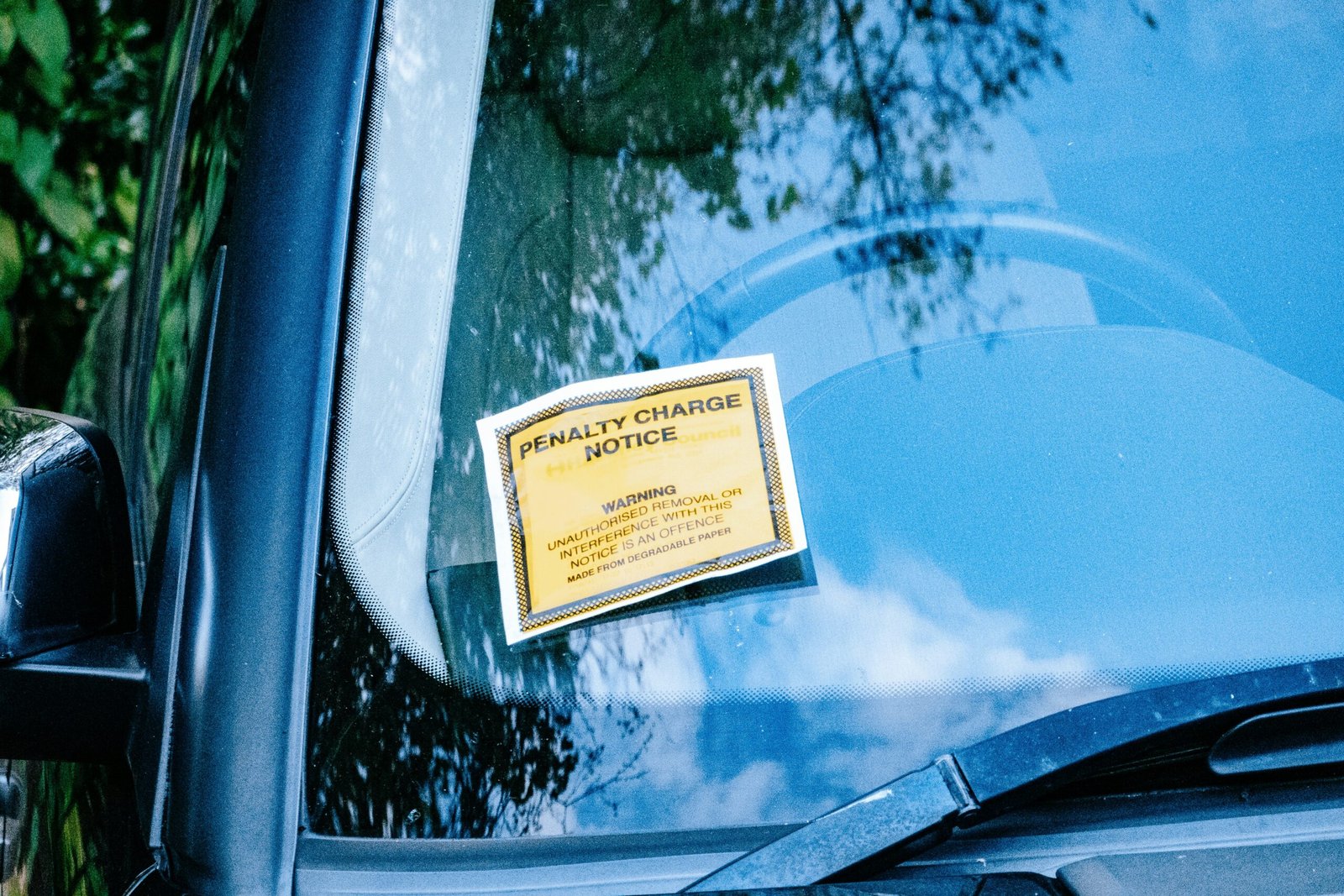
According to residents, unpaid parking and moving violations dating back to 2011 amount to more than $142 million. They added that penalties attached to those fines push the total to nearly $288 million in potential revenue that the city has failed to recover.
“Supposedly, we’re in debt and it’s a lot of money that should be collected,” resident Sandra Seward said.
At a recent Board of Estimates meeting, Baltimore’s mayor criticised the scale of unpaid debts.
“There is no way in hell we should have this amount of money just standing out there,” the mayor said.
City Council President Zeke Cohen also expressed frustration over the failure to recover unpaid funds.
“If a resident doesn’t pay BGE I know BGE will collect. We should be similarly ruthless,” Cohen said.
The mayor further compared the situation to red-light camera enforcement, saying authorities should act more aggressively in collecting traffic-related debts.
“They get a red light camera ticket and they miss the deadline, they get the notice quickly that costs are going up. We have to have the same vigor for these types of things,” he stated.
Residents, however, argued that city leaders were understating the scale of the issue.
“That number pales in comparison to what we found,” a resident identified as Topping said.
“If these council people are worried about $4 million, it’s laughable when you have hundreds of millions of dollars regarding parking fines,” Topping added.
The residents also claimed repeated attempts to present their findings to city officials had failed after scheduled meetings were cancelled.
“Three meetings were scheduled. Three meetings were canceled,” one resident said.
Seward maintained that the city must do more to recover unpaid fines as financial concerns continue to grow.
“We have citywide issues regarding finances and we’re not getting support from the people hired to do the job,” she said.