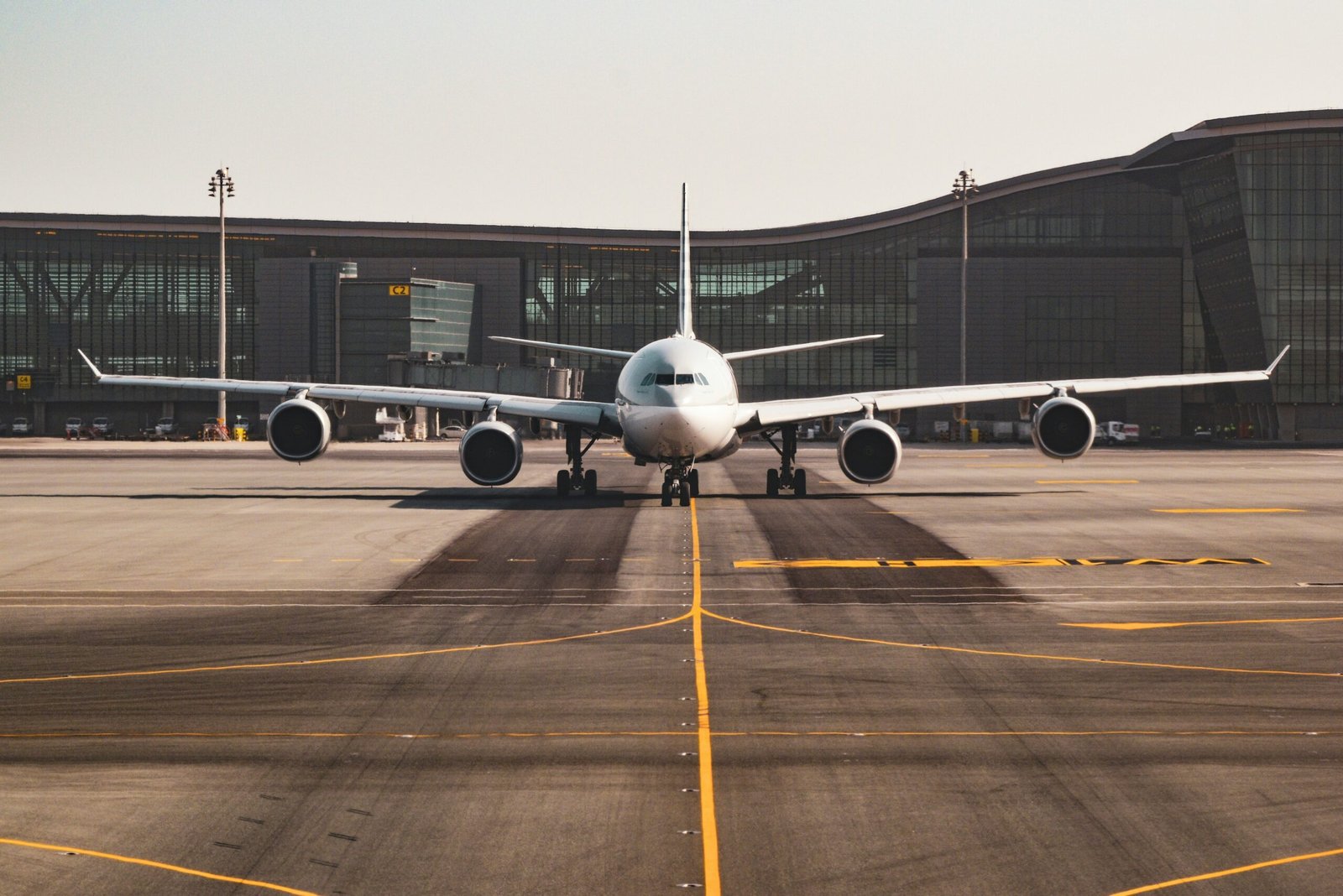

Avelo Airlines, the ultra-low-cost carrier launched out of Houston in 2021, has effectively eliminated all Tuesday flights from its network for 13 weeks, running from mid-May through mid-August 2026. The decision is almost without precedent in scheduled commercial aviation. In an industry obsessed with aircraft utilization, Avelo has simply decided that flying on Tuesdays is not worth the cost of jet fuel.
The airline confirmed that it will utilize its fleet of 15 Boeing 737 planes to fly the routes booked by the largest numbers of passengers, concentrating its operations on the Thursday-to-Sunday “golden weekend” when demand — and fares — are highest. Aircraft maintenance scheduling becomes easier, and crew rostering can be handled more efficiently. It is a strategy of survival, not growth.
The Jet Fuel Nightmare
Avelo’s drastic move is not happening in a vacuum. With jet fuel prices not budging from highs due to the war with Iran — which has effectively shut the Strait of Hormuz, a critical chokepoint for global oil supplies — almost every major and low-cost airline has had to adjust.
The pressure on budget carriers has been existential. Just weeks ago, Florida-based Spirit Airlines ceased all operations after failing to secure a federal bailout, grounding its entire fleet and leaving passengers scrambling. Mexican low-cost airline Magnicharters has filed for bankruptcy protection. Norse Atlantic Airways has cut the Los Angeles market from its network entirely.
Avelo is trying to avoid the same fate. The airline has been active in lobbying the US government for relief, reportedly requesting $2.5 billion in assistance alongside other low-cost carriers like Frontier. CEO Andrew Levy has not let up on that effort. “We certainly are going to seek the administration’s support, if not for the exact proposal we put in front of them, then some variation of it,” Levy said.
A Network Already Cut to the Bone
The Tuesday suspension is the latest, most visible chapter in a much deeper restructuring. Avelo has already been forced to massively consolidate its network, cutting more than 30% of its flying schedule. It has exited the West Coast market entirely, closing bases at Burbank Airport, Las Vegas, and Sonoma County. It has also shuttered its North Carolina bases at Wilmington International Airport and Raleigh-Durham International Airport, as well as its Mesa, Arizona operation.
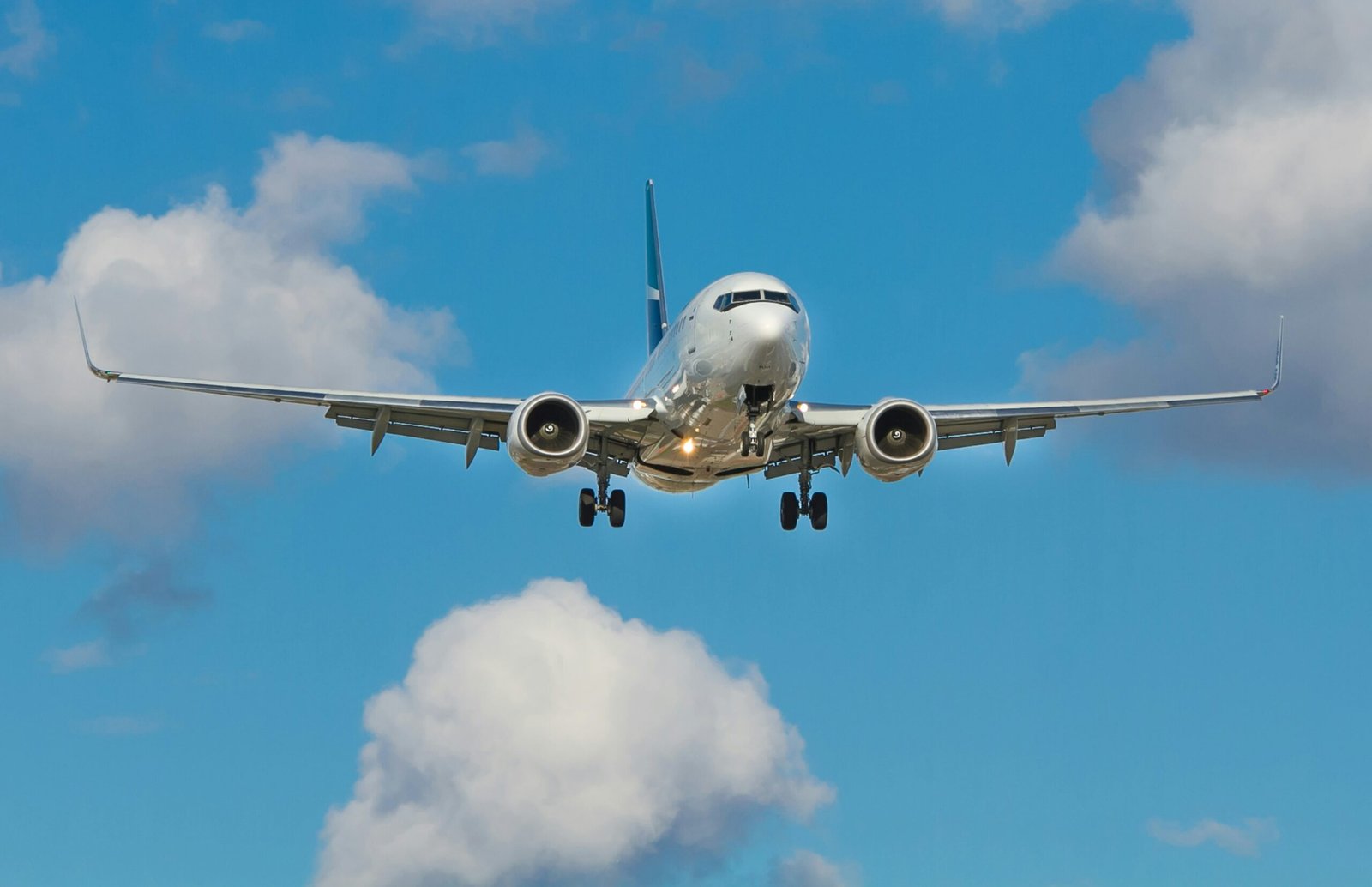
The airline has retired its entire Boeing 737-700 fleet and is now operating solely with 15 Boeing 737-800s. Today, Avelo is increasingly concentrating operations around a smaller number of core bases, including New Haven, Connecticut; Philadelphia/Delaware Valley, Pennsylvania; Charlotte/Concord, North Carolina; and Central Florida/Lakeland.
Avelo’s troubles were compounded by a wave of bad publicity throughout 2025 over its choice to run deportation flights for the Trump administration. That controversy, coupled with the brutal economics of the fuel crisis, has left the airline fighting for survival.
What This Means for Passengers
For travelers, the disappearance of Tuesday flights means fewer options and likely higher fares on the days that remain. Avelo is effectively telling its customers: if you want to fly with us, you will do it on our schedule.
The move also signals that the era of ultra-cheap, ultra-frequent flights may be ending. The budget airline model, which depended on rock-bottom fuel prices and maximum aircraft utilization, is collapsing under the weight of global instability.
Avelo’s schedule changes are expected to last until at least August, at which point the airline may or may not add some routes back. The CEO is asking for a bailout. The industry is watching. And Tuesday has become a ghost day in commercial aviation.
The Bottom Line
Avelo Airlines has eliminated all Tuesday flights from its schedule for 13 weeks, from mid-May through mid-August 2026, in a drastic cost-cutting move driven by persistently high jet fuel prices due to the Iran war. The airline is concentrating its operations on peak travel days to prioritize profitability over aircraft utilization. Avelo has already cut more than 30% of its flying schedule, exited the West Coast market, and is seeking $2.5 billion in federal assistance. The move comes just weeks after Spirit Airlines ceased all operations, highlighting the severe crisis facing the budget airline industry.
Tuesday is no longer a flying day for Avelo. And if jet fuel prices do not come down, other airlines may soon follow.