
If you’ve been on beauty Twitter or TikTok this week, you’ve likely seen the controversy. Patrick Ta—celebrity makeup artist and founder of Patrick Ta Beauty—announced a new “Transition Blush” collection launching May 27. The response to this? Mostly outrage.
At the center of the storm is Ngozi Esther Edeme, known online as Painted by Esther, a Nigerian-American freelance makeup artist whose signature transitional blush technique has gone viral multiple times. She has worked with Naomi Campbell, Tyla, and Kelly Rowland.
Now, the beauty community is divided. Some say Patrick Ta copied her. Others say no one owns a blush technique. And Esther herself has finally broken her silence.
Here is everything you need to know.
What Is ‘Transitional Blush’?
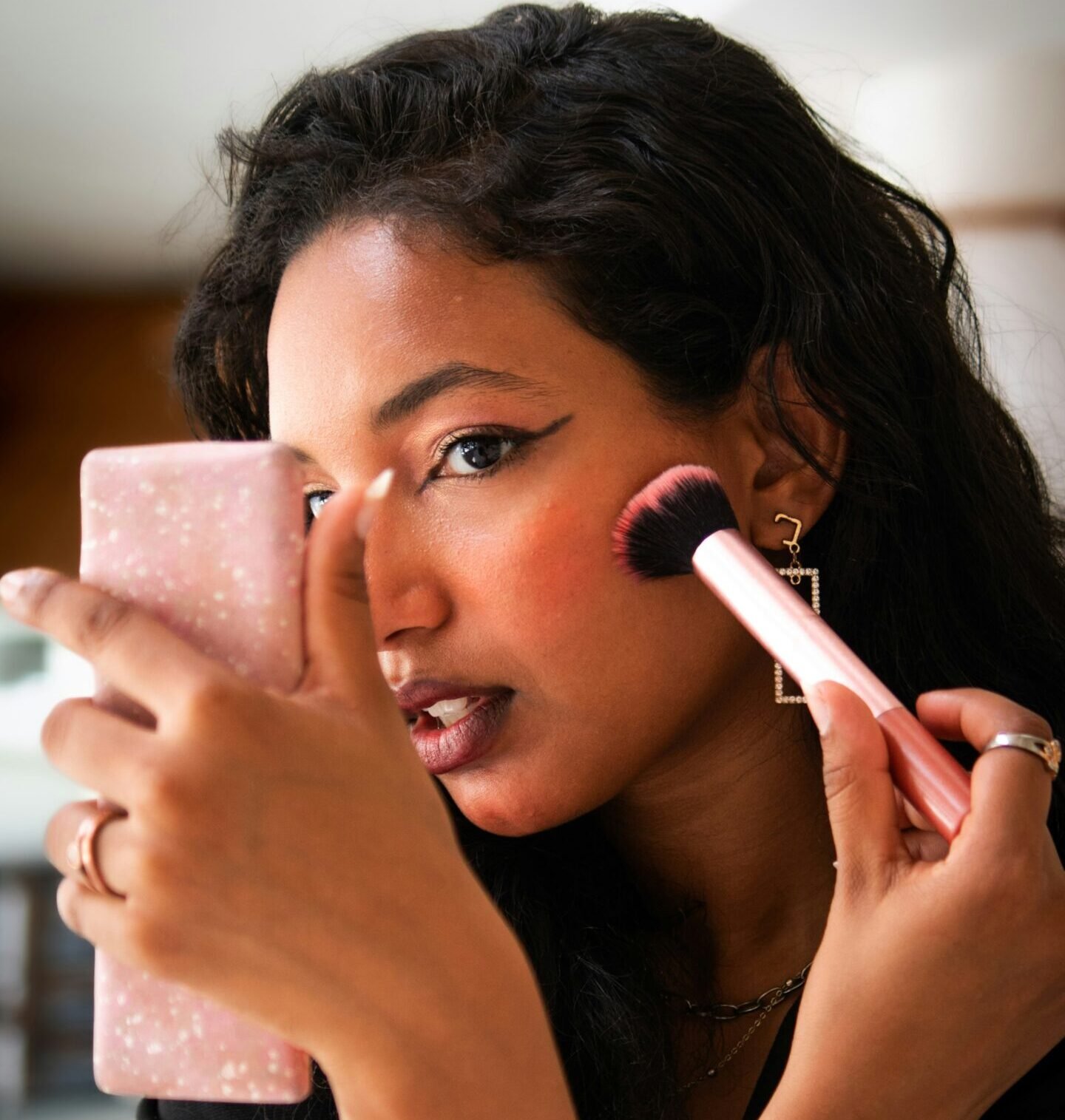
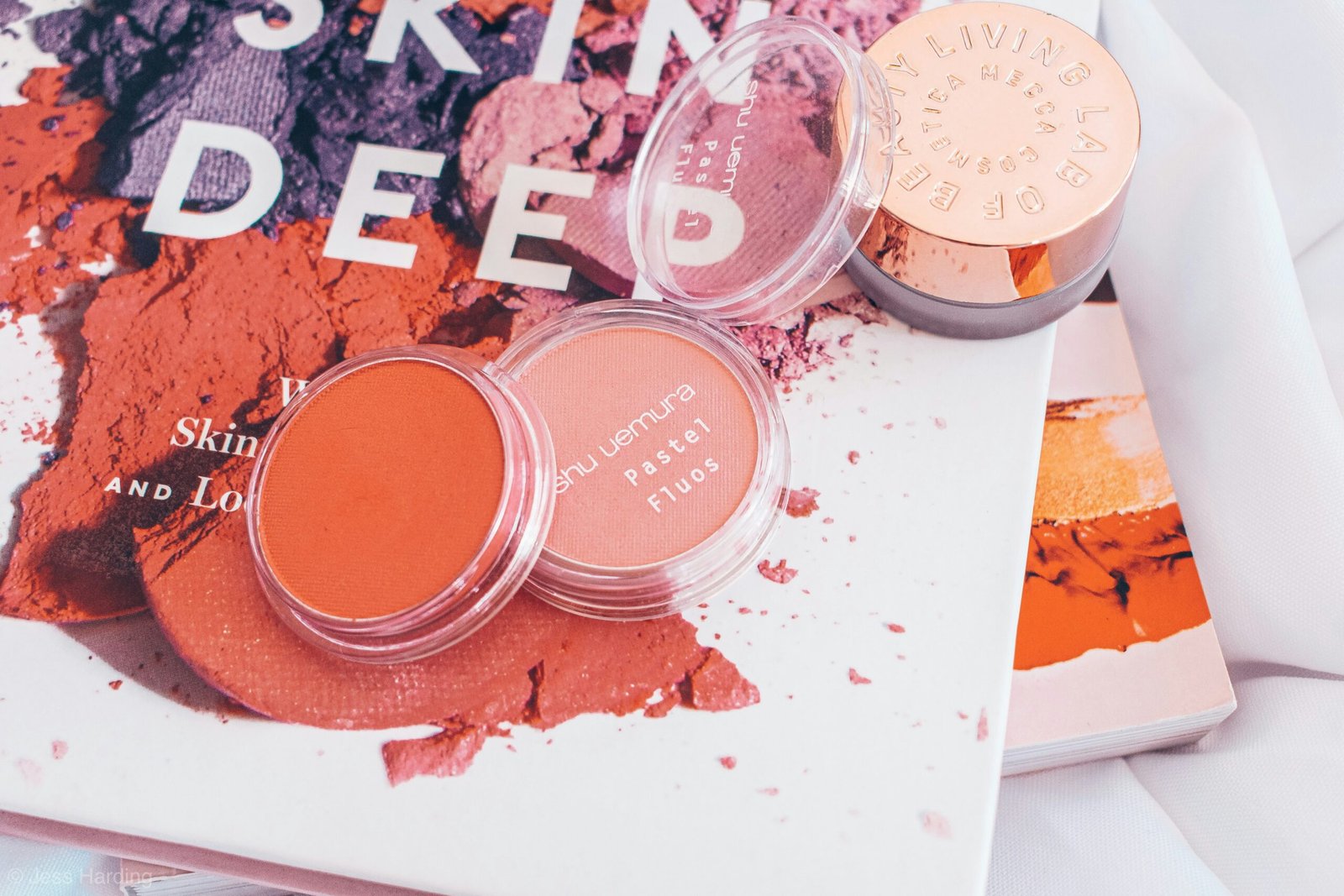
First, the technique itself. Transitional blush is a specific way of applying blush that creates a seamless gradient from the under-eye area down to the cheek. It involves layering cream blush, concealer, color correctors, and brightening pink powder, applied with a powder puff for an airbrushed finish.
The look is bold, lifted, and particularly stunning on Black women and darker skin tones. It became heavily associated with Edeme after she demonstrated it on Love Island star Olandria Carthen.
She did not invent the technique. As she has said repeatedly, transitional blush has roots in Asian beauty (particularly Korean and Japanese makeup) and has been called “blush draping,” “gradient blush,” or “ombré blush.” Makeup legends like Way Bandy in the 1970s and Kevyn Aucoin were known for similar techniques.
But Edeme popularized it for a new generation. She made it her signature. And she built a career teaching it.
What Patrick Ta Did
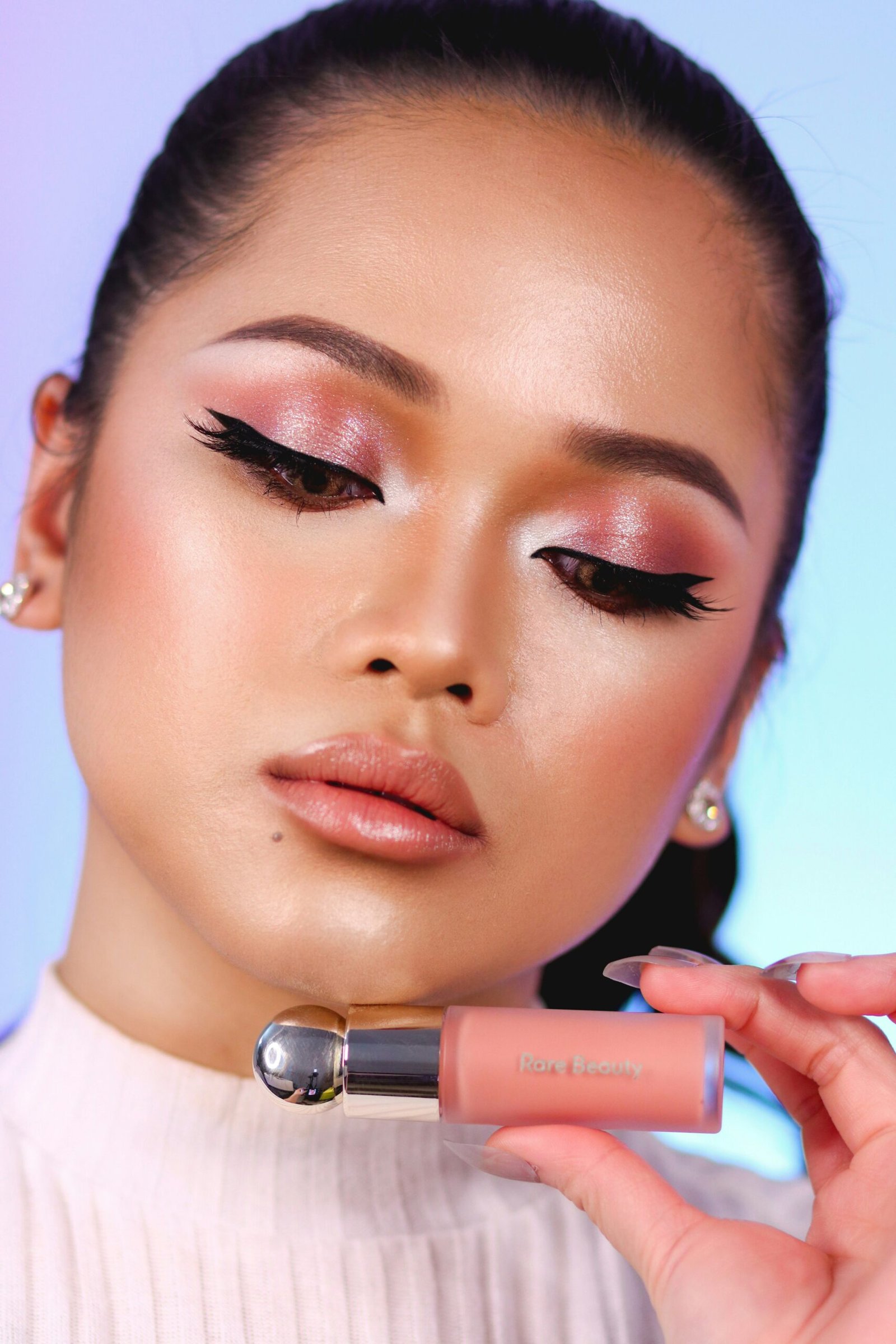
On May 26, 2026, Patrick Ta Beauty announced the launch of its “Transition Blurring Blush Duo” and “Liquid Transition Brightening Blush,” set to drop on May 27. The brand also released a “Transition Blush Brush” and—crucially—secured a legal trademark for the phrase “Transition Blush”.
The marketing language raised eyebrows. On the brand’s website, Ta described the product as a “breakthrough category designed for a forgotten area, the space between the under-eye and the cheek”. In a TikTok video, he said he “created” a three-step blush routine.
For beauty fans who had been watching Edeme’s tutorials for years, the phrasing felt familiar. Very familiar.
Within hours, side-by-side comparison videos emerged on social media, contrasting Ta’s promotional content with Edeme’s earlier tutorials. One viral X post read:
“Patrick Ta states: ‘I created a three-step blush routine’ in his video while copying Painted by Esther almost word for word“.
The trademark was particularly incendiary. Critics argued that Ta was not just launching a product but was legally claiming ownership of a technique that a Black independent creator had popularized without credit or compensation.
One user wrote:
“Patrick Ta trademarked the Painted by Esther technique, which I think is the biggest sign of his guilt. He knows exactly what he’s doing is wrong, and he trademarked it because, ultimately, he doesn’t care what people say. He wanted legal backing and chose that over integrity“.
The Alleged ‘Recording’ Incident
The controversy deepened when Edeme shared a story that painted a darker picture.
In a TikTok video posted on May 24, she disclosed that she had previously been booked by someone on Ta’s team for a makeup application in Los Angeles. At the last minute, she was asked if the session could be recorded. She cancelled the booking.
“Why would you want to record me doing my work?” she asked, describing the situation as “conniving”.
The implication was clear: Edeme believed Ta’s team was attempting to capture her technique without paying for a formal educational masterclass or offering proper credit.
Ta has not publicly responded to this specific allegation.
The Defense: No One Owns a Technique
To be fair to Ta, there are counterarguments.
First, the transitional blush technique predates both Edeme and Ta by decades. As Allure noted in its coverage of the controversy, blush draping was popularized in the 1970s by Way Bandy, and legendary makeup artist Kevyn Aucoin was also known for similar gradient blush techniques. The look has roots in Asian beauty, particularly Korean and Japanese makeup styles.
Second, Ta has been using blush prominently in his work since at least 2021. His Major Headlines Double Take Crème & Powder Blush Duo was already a bestseller before this launch. In a TikTok response to the backlash, Ta wrote in the caption:
“I wanted to create a product that was specifically made for this blush look. I do not own this look. @Paintedbyesther, she is amazing and so talented. She popularized this look through her work. I also have been doing this blush look since 2021. Not the same as Esther, but my own version”.
Third, Edeme herself has never claimed to have invented the technique. In her May 24 video, she explicitly stated: “I did not create the transitional blush technique,” and does not want people to think she is trying to take ownership of it.
The Deeper Issue: Who Profits?
But the broader beauty community is not really arguing about who invented transitional blush. The argument is about who gets to profit from it.
Esther Edeme is a freelance makeup artist. She has built a following through social media tutorials, masterclasses, and client work. She does not have a product line. She does not have a trademark. She has her name and her reputation.
Patrick Ta has a multi-million dollar beauty brand, distribution at Sephora, and the legal resources to trademark phrases.
Critics argue that Ta is doing what the beauty industry has always done: taking techniques popularized by Black and brown creators, repackaging them for mass consumption, and funneling the profits elsewhere. This is not the first time Patrick Ta has faced such accusations. As one forum user noted, he was previously criticized for not paying Black creators who promoted his products.
One viral comment summarized the frustration: “Patrick Ta states: ‘I created a three-step blush routine’ in his video while copying Painted by Esther almost word for word. See below in this side-by-side”.
Another wrote: “The overconsumption of products is insane. Give @paintedbyesther her credit. You don’t need another blush palette to achieve this. FFS.
Esther’s Response
In her May 24 TikTok video, Edeme was measured but firm. She asked for the chatter to end, but not before making a broader point about the challenges Black women face in the beauty industry.
“It’s already hard being Black and being a woman in this industry. You have to genuinely fight twice as hard to get just half of what you deserve,” she said.
“I will reiterate: I did not start anything. I am 29 years old. That would be ludicrous to claim ownership of anything. But what you will not belittle is my influence”.
“My goal is to constantly reference Kevyn Aucoin, Danessa Myricks, Pat McGrath—how they move with grace and intentionality. I am an artist; my driving force is to create and share it. My end goal is to teach and spread my knowledge”.
The Bigger Picture
The Painted by Esther vs. Patrick Ta controversy is not really about blush.
It is about how the beauty industry (and the internet more generally) extracts value from Black creators. It is about the difference between inspiration and appropriation. It is about who gets to turn a technique into a trademark and who gets left with a cancelled appointment and a viral video.
The transitional blush look will continue to be used. Patrick Ta’s products will launch on May 27. Esther Edeme will keep teaching and creating. But the conversation does not end there.
As Allure noted in its coverage, it is “capitalism that is at fault here”. Viral beauty trends become products. Social media feeds the rage economy. And the money machine behind the beauty industry keeps turning.