• Home
  • News
  • Government
  • Business & Finance
  • Entertainment
  • Sports
  • Tech
  • Health
  • About Federal Character
  • Advertise With Us
Federal Character
No Result
View All Result
Federal Character
  • Home
  • News
  • Government
  • Business & Finance
  • Entertainment
  • Sports
  • Tech
  • Health
  • About Federal Character
  • Advertise With Us
No Result
View All Result
Federal Character
No Result
View All Result
Home Government
Somalia Joins Saudi-led Coalition to Counter Houthi Threats in Red Sea

​Iran Deploys Cheaper Kheibar Shekan Missiles Against US

Eriki Joan UgunushebyEriki Joan Ugunushe
3 weeks ago
in Government
Reading Time: 3 mins read
A A
0
Facebook ShareWhatsapp ShareX Share

​Iran is turning to cheaper, highly mobile ballistic weapons to target military assets across the region. United States military officials report that recent attacks have heavily featured Kheibar Shekan missiles against US positions, marking a clear shift in how Iranian forces approach long-range warfare. These solid-fuel weapons carry a range of roughly 1,400 kilometers. Because they travel pre-fueled on mobile truck launchers, operators can fire them on short notice and quickly move before counterattacks arrive. American and allied defense systems continue to shoot down the majority of incoming threats, but a small number have managed to pierce protective shields by constantly altering speed, trajectory, and flight patterns.

Table of Contents

Toggle
  • ​How Iran Uses Kheibar Shekan Missiles Against US Defenses
  • ​Why Iran Uses Cheaper Missiles in Long Conflicts
  • ​My Opinion
  • ​Bottom Line

​How Iran Uses Kheibar Shekan Missiles Against US Defenses

​Older liquid-fueled rockets require a slow, visible preparation process before launch. In contrast, solid-fuel technology allows operators to launch weapons almost immediately from hidden positions. This speed makes it extremely difficult for enemy warplanes to track and strike launch crews before they disappear.

​Military analysts point out that Iranian forces do not fire these weapons alone. They combine launches with high-speed attack drones and lower-tech rockets. The goal is simple: flood local radar screens with multiple targets at once. By overloading regional air defenses, Iranian forces create gaps that allow individual warheads to slip through and strike housing areas or radar sites at US military bases.
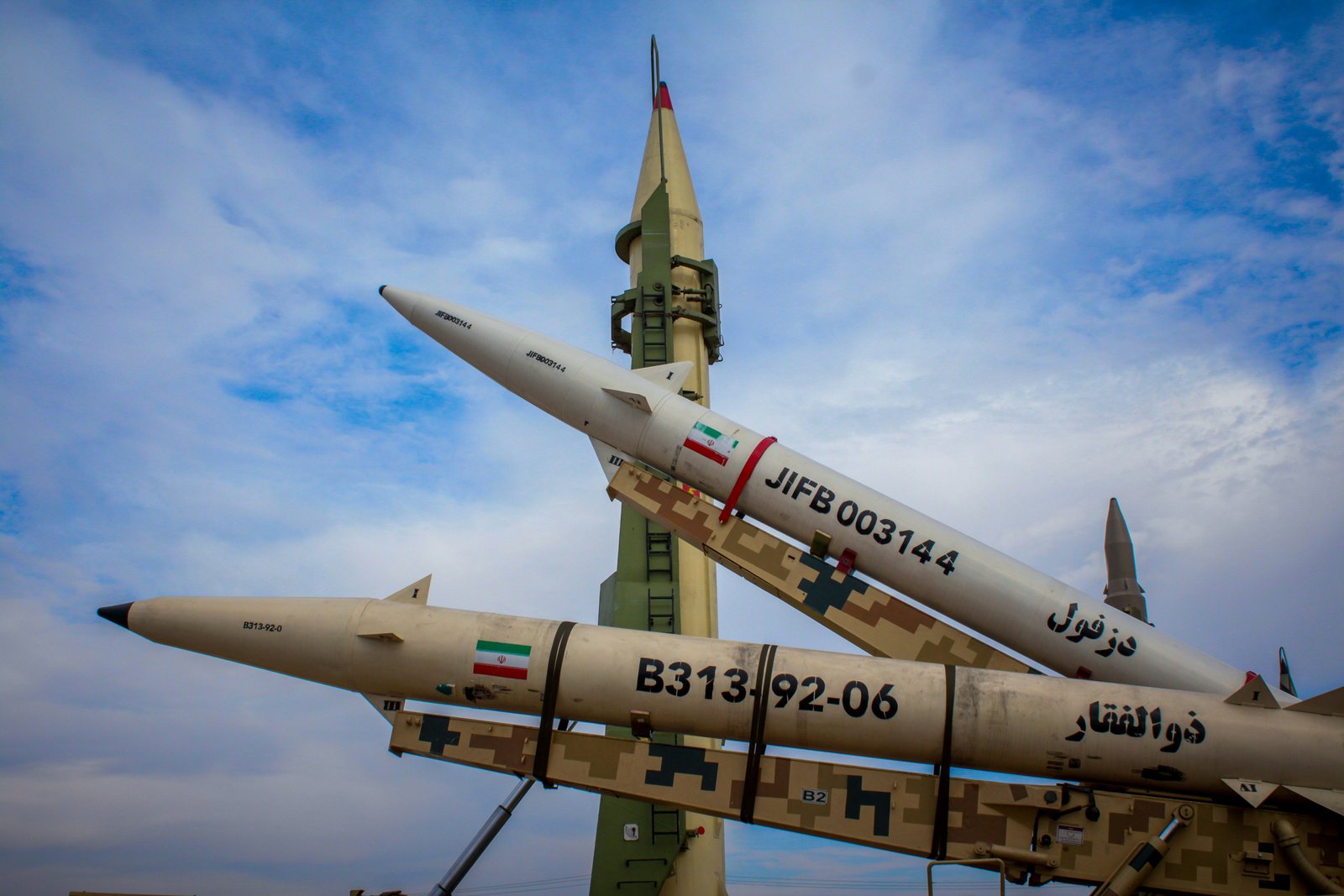
​Iran Deploys Cheaper Kheibar Shekan Missiles Against US

​The physical design of the weapon adds another layer of difficulty for interceptors. Certain variants sport maneuverable nose sections that detach during the final approach. Flying at speeds up to 10,000 kilometers per hour, these warheads execute sharp, last-minute directional changes that throw off guidance computers on ground-based defensive batteries.

​Why Iran Uses Cheaper Missiles in Long Conflicts

​Every combat launch provides real-world flight data. Defense experts note that Iranian commanders carefully study each interception to learn how American radar algorithms react under pressure. They then adjust future flight paths and altitude maneuvers accordingly.

​Cost also plays a role in this strategy. While official production numbers remain private, estimates show that producing Iran’s cheaper missiles costs far less than firing the interceptors used to destroy them. Advanced surface-to-air interceptor missiles used by the United States and its allies cost between 2 million and 15 million dollars per unit. Firing multiple multi-million dollar interceptors against relatively inexpensive incoming rockets forces defensive systems into a very costly game of attrition. Even if factory sites that build these rocket engines suffer damage, assembly work often continues inside underground facilities using stocked components.

​My Opinion

​In my view, the real danger here is not just that a missile might get through; it is the financial math behind stopping them. When an attacker can build tens or hundreds of solid-fuel weapons for a fraction of what it costs to intercept a single one, the defender is put at an economic disadvantage. Firing a 5 million interceptor to stop a weapon that costs a fraction of that amount is simply unsustainable over a long period.

​Additionally, treating every salvo as a live-fire experiment means Iranian forces are constantly refining their tactics. They do not need every strike to hit a major target to gain value. As long as they collect data on how air defenses operate, they can keep adapting. The United States and its allies cannot rely solely on firing expensive interceptor missiles. Long-term security will require finding smarter, lower-cost ways to disrupt launch logistics on the ground before these weapons ever leave their trucks.

​Bottom Line

​The active deployment of Kheibar Shekan missiles against US assets shows how rapidly modern regional warfare is changing. By mixing high-speed maneuvers, quick-launch trucks, and low production costs, Iranian forces continue to test the limits of current defensive systems. Defensive forces will need to adapt just as quickly to keep pace with these evolving tactics.

Tags: federal characterForeign NewsgovernmentKheibar Shekan MissilesNews
Share234SendTweet147
Eriki Joan Ugunushe

Eriki Joan Ugunushe

Eriki Joan Ugunushe is a dedicated news writer and an aspiring entertainment and media lawyer. Graduated from the University of Ibadan, she combines her legal acumen with a passion for writing to craft compelling news stories.Eriki's commitment to effective communication shines through her participation in the Jobberman soft skills training, where she honed her abilities to overcome communication barriers, embrace the email culture, and provide and receive constructive feedback. She has also nurtured her creativity skills, understanding how creativity fosters critical thinking—a valuable asset in both writing and law.

Related Stories

Mexican Avocado Workers Return To Farms As US Lifts Security Export Restrictions

Mexican Avocado Workers Return To Farms As US Lifts Security Export Restrictions

byAyobami Owolabi
0

Mexican avocado workers have returned to farms and processing plants in Michoacán after US authorities lifted a security-related suspension that had temporarily halted avocado exports to the United...

US Courts Using Mass Hearings to Speed Up Deportations

US Courts Using Mass Hearings to Speed Up Deportations

byEriki Joan Ugunushe
0

Federal immigration judges across the country are dramatically accelerating legal proceedings as US courts mass hearings deportations strategies take center stage in federal policy. The Department of Justice...

Why NYC’s ‘Mamdani Marts’ Plan Triggered Big Capitalist Debate

Why NYC’s ‘Mamdani Marts’ Plan Triggered Big Capitalist Debate

byEriki Joan Ugunushe
0

New York City is currently locked in a fierce political fight after details emerged surrounding the Mamdani Marts public grocery plan, sparking heated arguments over government intervention in...

Fauci Rejects Senate Request After Invoking Fifth Amendment

Fauci Rejects Senate Request After Invoking Fifth Amendment

byEriki Joan Ugunushe
0

Former medical official Dr. Anthony Fauci has turned down a fresh invite to speak before a Senate panel, setting off another round of debate in the U.S. His...

Next Post
​Intimidation From Trump Drives Self-Censorship in UK Newsrooms

​Intimidation From Trump Drives Self-Censorship in UK Newsrooms

Leave a Reply Cancel reply

Your email address will not be published. Required fields are marked *

Federal Character

We bring to you precise and factual news.
Towson, Baltimore, Maryland, USA

Recent Posts

  • Passengers Heading Home To Canada Denied Boarding At Houston Airport
  • Consumer Reports Urges Maryland Regulators To Reject BGE’s $156m Rate Hike
  • Mexican Avocado Workers Return To Farms As US Lifts Security Export Restrictions

Categories

  • Beauty
  • Business & Finance
  • Entertainment
  • Fashion & Lifestyle
  • Food & Nutrition
  • Government
  • Health
  • News
  • Politics
  • Sports
  • Tech

Weekly Newsletter

  • Home
  • About Federal Character
  • Advertise With Us
  • Cookie Policy
  • Sitemap

Copyright © FederalCharacter.com 2026 .

Welcome Back!

Login to your account below

Forgotten Password?

Retrieve your password

Please enter your username or email address to reset your password.

Log In
No Result
View All Result
  • Home
  • News
  • Government
  • Business & Finance
  • Entertainment
  • Sports
  • Tech
  • Health
  • About Federal Character
  • Advertise With Us

Copyright © FederalCharacter.com 2026 .