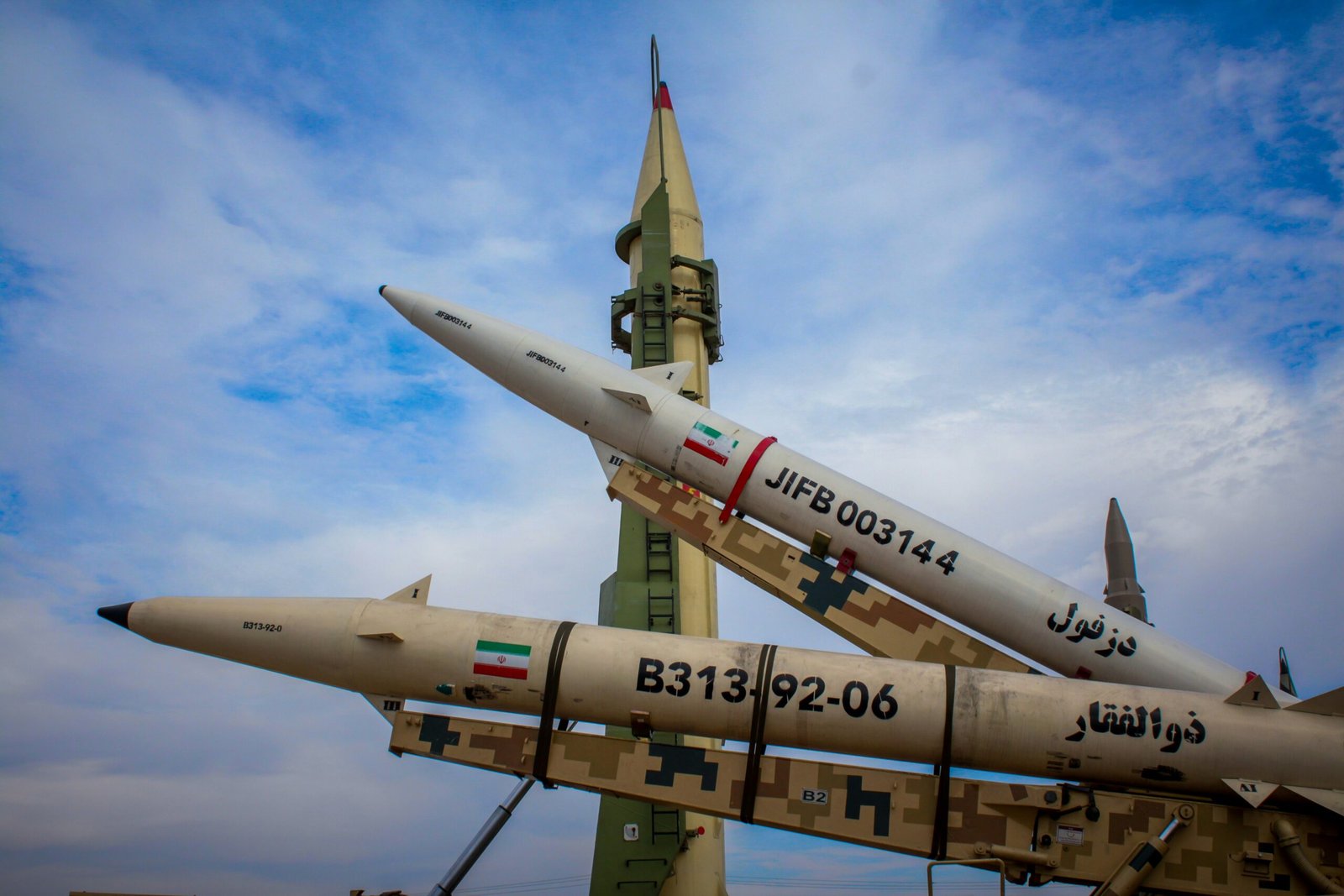

Iran fired a missile at an American air base in Kuwait on Thursday, just hours after the United States attacked the Islamic Republic. Both sides accused the other of violating their shaky ceasefire, further imperiling diplomatic efforts to end the war.
Kuwait shot down the ballistic missile, the American and Kuwaiti militaries said. No damage or casualties were reported. A US official said that American forces in Kuwait were the suspected target. Iran said it had targeted a US base responsible for strikes late Wednesday in Bandar Abbas, an Iranian port city near the Strait of Hormuz.
The American military carried out strikes in the region of Bandar Abbas on Wednesday, US Central Command said. The strikes took out five one-way attack drones “that posed a clear threat in and near the Strait of Hormuz” and prevented a sixth drone launch from an Iranian ground control site. A US official said the attacks were limited and did not represent a resumption of major combat operations.
Then came Iran’s response. The Revolutionary Guard said the US military base responsible for the strikes was targeted. The Guard warned that any further US attacks would bring a “more decisive” response and that Washington would bear the responsibility for the consequences.
The Threat to an Ally
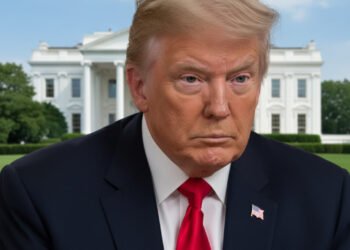
As missiles were flying, President Donald Trump was escalating in a different direction — threatening a US ally.
During a Cabinet meeting, Trump warned Oman against partnering with Iran to jointly control the Strait of Hormuz. “Oman will behave just like everybody else, or we’ll have to blow them up,” he said, before adding, “They understand that. They’ll be fine.”
Some observers questioned whether Trump may have misspoken, given that Oman is a peaceful member of the Gulf Cooperation Council with which the US has a free trade agreement. But the State Department later reposted a clip of Trump’s comments on X, quoting that specific phrase.
Iran’s Foreign Ministry spokesman called Trump’s threats “another dangerous sign of the normalization of lawlessness and coercive behavior in international relations.”
The Strait That Shakes the World
Iran’s chokehold on the Strait of Hormuz — which it has effectively shut off in response to the US-Israeli attack that began late February — has caused a global economic shock. Prices have risen for oil, natural gas, fertilizer, and other essential goods. Some 20% of the world’s oil flowed through the strait before the war.
Trump said at the Cabinet meeting that no one was going to be allowed to control the strait. “The strait is going to be open to everybody,” he said. “Nobody is going to control it.”
At the same time, the Trump administration announced it was imposing sanctions on a new Iranian agency, the Persian Gulf Strait Authority, which aims to approve the transiting of ships through the strait and charge them tolls as high as $2 million each.
“The Iranian military’s latest attempt to extort global maritime trade is proof that Economic Fury has left the regime desperate for cash,” Treasury Secretary Scott Bessent said.
The Failed Peace
Talks mediated by Pakistan and Qatar appeared close to a deal over the weekend but now again seem mired in disagreements. Iranian state TV reported what it said was a preliminary “unofficial” memorandum of understanding framework with the US. The White House rejected the report.
Trump said later that Iran was “negotiating on fumes.” He also dismissed any pressure to end the war quickly, saying that he did not care about the upcoming midterm elections. “They thought they were going to outwait me — ‘We’ll outwait him, he’s got the midterms,’ — I don’t care about the midterms.”
He said Iran “wants very much to make a deal,” adding, “So far, they haven’t gotten there. We’re not satisfied with it, but we will be — either that or we’ll have to just finish the job.”
The Bottom Line
Iran fired a missile at a US air base in Kuwait. Kuwait shot it down. The US carried out strikes in southern Iran, taking out drones. Trump threatened to “blow up” Oman, a US ally, if it partners with Iran. The Strait of Hormuz remains effectively closed. Oil prices jumped 3%. Peace talks have stalled. And the president says he doesn’t care about the midterms.