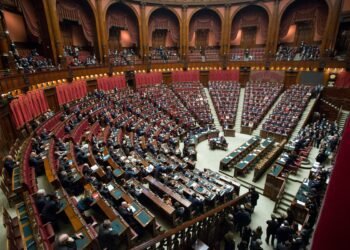
Senate leaders have reached a deal to avert midterm shutdown threats, keeping federal agencies open through December 11. Appropriations Committee leaders Susan Collins and Patty Murray struck the deal to keep government money flowing at current levels ahead of the October deadline. Both parties want to avoid a costly funding fight right before voters head to the polls for the 2026 midterm elections.
How Lawmakers Reached a Senate Government Funding Deal
The new stopgap spending bill extends current funding while adding funds for food programs like SNAP and WIC, along with disaster relief. Democrats successfully blocked several White House funding requests, including extra money for border patrol transfers and controversial grant policy changes. Senate Majority Leader John Thune prioritized passing the measure early so lawmakers could return home to campaign without the threat of a crisis.
While the Senate plan moves forward, it still needs to pass the House. House Republicans already passed their own funding version before leaving for their August break, setting up negotiations when they return in September. However, with lawmakers eager to avoid being blamed for public disruptions right before election day, momentum remains strong to approve the extension.
My Opinion
It is hard to get excited about Congress doing the bare minimum. Every few months, politicians brag about “averting a crisis” that they created in the first place by failing to pass regular budgets on time.
This latest deal is not a triumph of statesmanship; it is purely about self-preservation. Neither party wants to take the blame for closing national parks, delaying federal paychecks, or shutting down government offices weeks before an election. So instead of doing the hard work of negotiating a full-year budget, they signed a temporary extension to push the real fight past November.
By moving the funding deadline to mid-December, lawmakers are guaranteeing that the exact same partisan fights will return right before the holidays. Governing through temporary fixes keeps federal agencies in limbo and wastes taxpayer money. Until Congress fixes its broken budget process, these stopgap measures are just temporary Band-Aids on a system that refuses to do its job.
Bottom Line
The agreement to avert midterm shutdown headaches gives lawmakers breathing room, but it only delays the real budget fight. Passing this stopgap spending bill protects federal operations through the fall, allowing both parties to focus on campaign season. However, Congress will still have to face the exact same funding arguments when the December deadline arrives.