
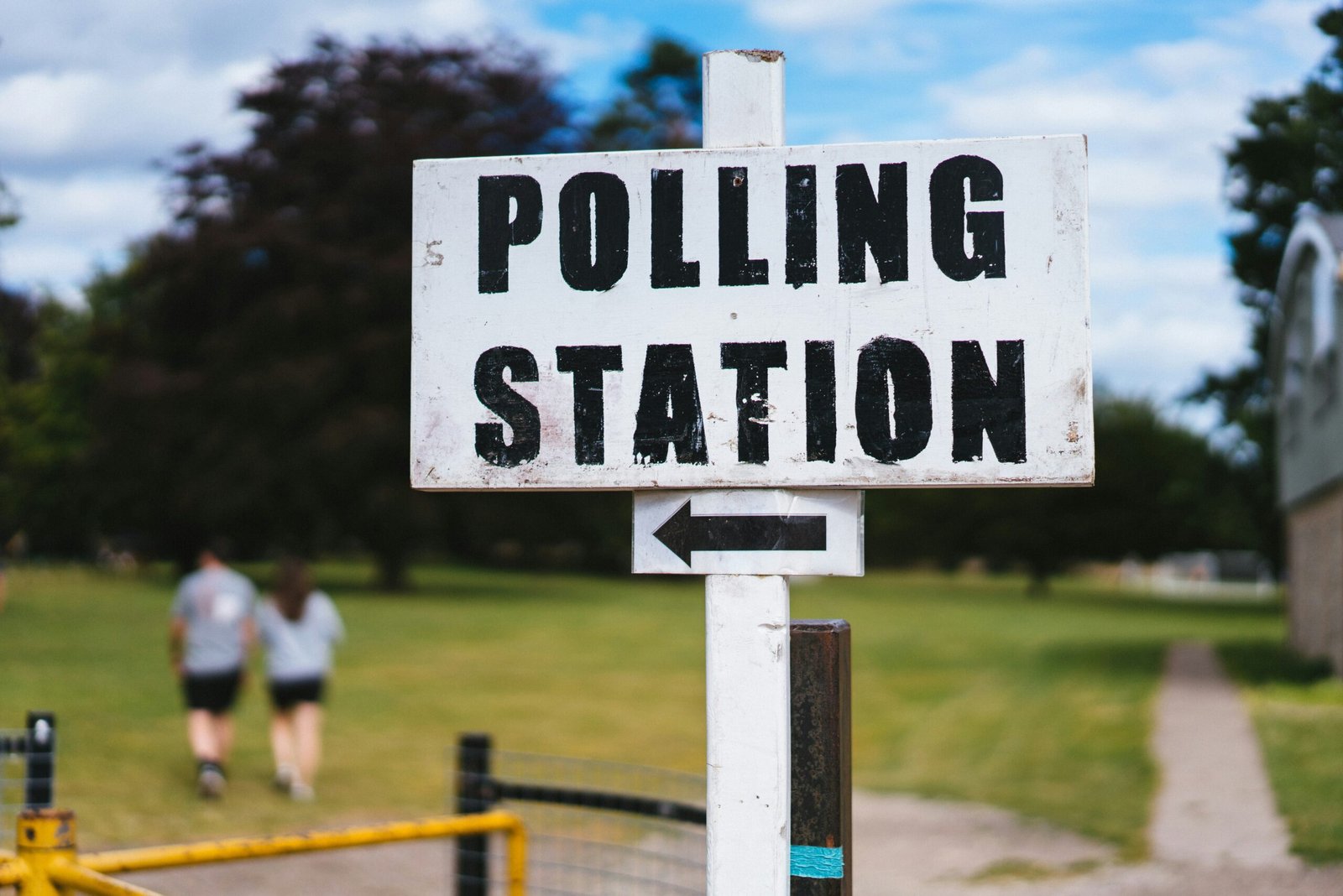
Citizens across Colombia are casting their ballots today in a polarized presidential election that carries massive consequences for regional stability and the country’s historic partnership with the United States.
The vote follows months of severe public friction between outgoing left-wing President Gustavo Petro and U.S. President Donald Trump over soaring drug production and American regional policy. With Petro constitutionally barred from seeking a consecutive term, the election serves as a direct referendum on his legacy and Colombia’s future geopolitical alignment.
The Candidates and a Fractured Political Landscape
Polls opened early Sunday across the country, with election observers widely anticipating that no single candidate will secure the absolute majority required to win outright, likely forcing a high-stakes run-off election on June 21.
The left-wing coalition is represented by Iván Cepeda, who enjoys the formal backing of the Petro administration. Cepeda has pledged to uphold the current government’s signature “total peace” strategy, which prioritizes negotiated settlements and amnesty deals with armed insurgent groups and drug trafficking networks.
However, this approach faces heavy domestic skepticism. According to a grim report by the International Committee of the Red Cross (ICRC), internal armed conflict severely impacted civilians last year at levels not seen in over a decade, causing peace talks to stall or completely collapse amid fresh outbreaks of cartel warfare.
Challenging the ruling party are conservative frontrunners Abelardo de la Espriella, representing the Defenders of the Homeland movement, and Paloma Valencia. Both right-wing candidates have campaigned on a platform of unyielding military crackdowns against drug syndicates and have expressed a strong desire to fully restore Colombia’s traditional defense and intelligence alliance with Washington.
The race has been heavily overshadowed by political violence, following the assassination of a presidential hopeful last summer; de la Espriella was forced to deliver a campaign speech in Medellín from behind bulletproof glass.
The Shadow of Washington and Cocaine Politics
The geopolitical backdrop of the election is defined by intense, personal clashes between Petro and Trump. Following the capture of former Venezuelan President Nicolás Maduro by U.S. special operations forces in January, Petro was left as one of the few remaining leftist leaders in Latin America openly resisting the Trump administration’s regional influence.
Trump has repeatedly lambasted the Petro administration for failing to curb the flow of narcotics, famously labeling the Colombian leader a “sick man who likes selling cocaine to the United States” and threatening potential U.S. military intervention.
While Petro fiercely countered by highlighting historic volumes of government drug seizures, official statistics from the United Nations’ World Drug Report 2025 confirmed that domestic cocaine production has indeed spiked to unprecedented, record-breaking highs. Despite a temporary public reconciliation at a White House summit in February, where Trump uncharacteristically praised Petro as “terrific,” the core ideological divide remains deeply entrenched.
Allegations of Foreign Election Interference
The election atmosphere grew even more volatile on the eve of the vote when the Colombian Foreign Ministry launched a blistering diplomatic attack against neighboring Ecuador, accusing Ecuadorian President Daniel Noboa of “deliberate interference” in Colombia’s democratic process.
The row erupted after Noboa held high-profile private talks with right-wing candidate Abelardo de la Espriella. Following the meeting, Noboa announced a commitment to jointly combat narcoterrorism and vowed to eliminate a steep, controversial security tax on Colombian imports starting June 1.
The trade war between the two nations had been escalating since January, when Ecuador hit Colombian goods with a punitive tariff that eventually skyrocketed to 100%, prompting retaliatory tariffs and an energy embargo from the Petro administration.
Colombia’s Foreign Ministry aggressively pushed back against Noboa’s announcement, pointing out that the elimination of the tariffs was actually mandated by a formal legal resolution from the Andean Community of Nations, rather than a personal “goodwill gesture” to a conservative candidate. The ministry labeled the Ecuadorian leader’s comments a “flagrant violation of the principle of non-intervention in internal affairs,” particularly since Noboa refused to clarify whether the tariff relief would still stand if the left-wing candidate, Iván Cepeda, wins the presidency.
A Crucial Choice Between Sovereign Dignity and Practical Survival
Colombia is not a cartel playground, nor is it a passive colony waiting for Washington’s instructions. It is a sovereign democracy trapped in a brutal, multi-decade cycle of violence that has been continuously fueled by the insatiable Western demand for illegal narcotics. Branding Iván Cepeda as a promoter of a narco-state simply because he favors diplomacy over endless bloodshed completely ignores the horrific human toll that traditional, military-first strategies have historically inflicted on rural Colombian communities.
That being said, the Petro administration’s “total peace” strategy has undeniably cratered under the weight of its own idealistic naivety. While it is noble to seek negotiated settlements, the harsh reality detailed by the ICRC shows that drug cartels have simply used these extended ceasefires to scale up cocaine production to record highs and terrorize innocent civilians with total impunity. By failing to pair diplomacy with credible military force, the left-wing coalition has allowed the country’s security architecture to fracture, practically opening the door for right-wing populists like Abelardo de la Espriella to capture public support with promises of iron-fist crackdowns.
Furthermore, the blatant political maneuvering by Ecuadorian President Daniel Noboa is a deeply inappropriate breach of international etiquette. Weaponizing a legally mandated Andean trade resolution to boost a conservative candidate just days before voters head to the polls is a desperate, transparent attempt to reshape Colombia’s leadership to fit regional right-wing goals.
Colombians deserve to choose their next leader based on domestic economic realities and local safety, not because a neighboring president is holding essential trade agreements hostage.
Ultimately, Colombia cannot afford to become a submissive “vassal state” to Washington’s aggressive military threats, but it also cannot survive by letting criminal cartels dictate terms to the government. The next president must abandon ideological extremes, restore basic public order on the streets, and force international partners like the United States to finally take accountability for the drug demand that finances Colombia’s internal ruin.