Kentucky Governor Andy Beshear has called on Senator Mitch McConnell to publicly address concerns about his health or resign from the US Senate after the veteran lawmaker’s prolonged absence from public duties.
McConnell, the former Senate Majority Leader, has not been seen publicly for 43 days since he was hospitalised. On Monday, Beshear sent a strongly worded letter urging the Republican senator to personally reassure Kentuckians that he remains capable of carrying out his responsibilities.
“I am addressing this letter to Senator McConnell under the assumption that he is capable of reading and responding verbally, and not incapacitated by means of consciousness or cognition. If the Senator is unable to respond for either of those or other conditions, consider this letter a demand for his Senate staff to be honest and transparent with the people of Kentucky,” Beshear wrote.
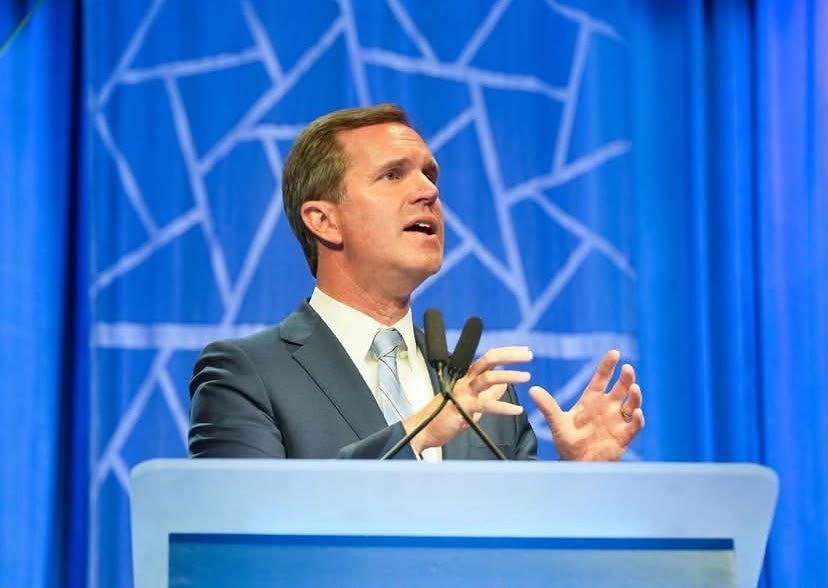
Earlier on Monday, McConnell’s office released a statement saying he hopes to return to Kentucky soon but has not yet been medically cleared to leave his rehabilitation facility. The update also included a note from the Office of the Attending Physician, which provides medical care to members of Congress.
Beshear, however, argued that the statement failed to answer key questions about the senator’s condition.
“Even the attending physician’s written statement does not discuss your actual condition, including whether you can speak, reason, or carry out your duties as a senator. I understand anyone’s desire for privacy, but when you run for office and serve as one of a state’s two US senators, you willingly abdicate much of your personal privacy,” he wrote.
“As Governor of the state you serve, I am calling on you to directly and verbally address the people of Kentucky and provide proof of your capacity to serve, or resign,” he continued.
The Democratic governor, who is widely considered a potential presidential contender in 2028, also forwarded a copy of his letter to Senate Majority Leader John Thune, urging him to investigate McConnell’s condition and ensure greater transparency.
“Per our research, a vacancy in the Senate occurs when a senator dies, resigns, or is expelled by a vote of the Senate itself. If Senator McConnell is unwilling to voluntarily show that he still has the capacity to serve, I will insist that you as the Majority Leader of the Senate fully investigate his condition, report to the American people, and begin the process if warranted,” Beshear wrote to Thune.
The issue has also reignited debate over how a vacant Senate seat would be filled in Kentucky. Although governors in many US states can appoint temporary replacements, Kentucky lawmakers have gradually stripped Beshear of that authority through legislation passed in recent years.
Legal experts have questioned whether those laws conflict with both the Kentucky Constitution and the 17th Amendment of the US Constitution, raising the possibility that the matter could ultimately be decided in court.
McConnell, 84, has experienced several falls and health-related incidents in recent years that required hospital treatment. His current stay, which began on June 14, is his longest absence from the Senate. Earlier this month, Thune and other Republican leaders said they had held what they described as a lengthy and substantive phone conversation with the senator covering a range of national issues