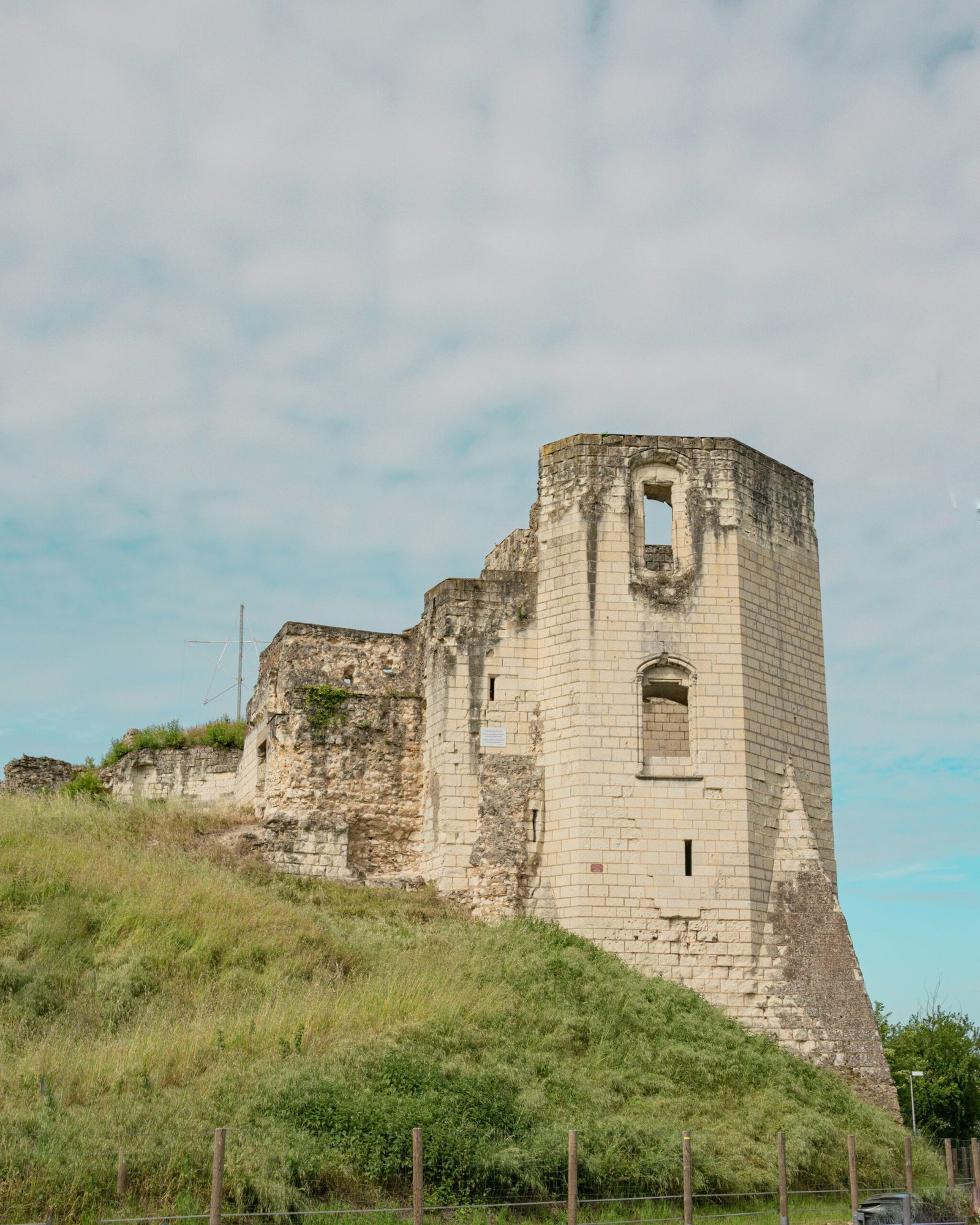
Israeli forces have taken control of the historic Beaufort Castle in southern Lebanon, marking their deepest military advance into Lebanese territory in more than 25 years.
The strategic hilltop fortress, located near the city of Nabatiyeh, was seized following days of heavy airstrikes and fierce clashes between Israeli troops and Hezbollah fighters in surrounding villages.
The development represents a significant escalation in the ongoing conflict between Israel and Hezbollah, which erupted on March 2 after Hezbollah launched rockets into northern Israel shortly after coordinated U.S. and Israeli strikes on Iran.
Since the conflict intensified, Israeli forces have captured several communities near the border, while Hezbollah has continued launching missiles and drones at Israeli military positions and northern Israeli towns.
The operation comes despite a ceasefire arrangement that has technically been in place since April and just days before fresh talks between Lebanon and Israel are scheduled to begin in Washington.
Reacting to the situation, Lebanese Parliament Speaker Nabih Berri said Hezbollah remains committed to a truce.
“But who will force Israel to stop its aggression?” he said.
Meanwhile, French Foreign Minister Jean-Noël Barrot called for an emergency meeting of the United Nations Security Council, describing Israel’s military actions as unacceptable.
“Nothing can justify the prolongation of Israeli military operations in Lebanon and its increasingly deep occupation of Lebanese territory,” Barrot said.
Photos shared online by Israeli military officials showed soldiers at the castle, while Israeli Defence Minister Israel Katz confirmed that Israeli forces had raised their national flag over the site.
“Twenty-six years after the withdrawal from the security zone in Lebanon, the Israeli flag has returned to fly on the peaks that overlook the Galilee towns,” Katz said during a memorial event for Israeli soldiers.
He added that Israeli troops intend to maintain control of the area while continuing operations against what he described as Hezbollah infrastructure in southern Lebanon.
The fortress, known in Arabic as Al-Shaqif Castle, has long held military significance due to its elevated position overlooking the Litani River and large sections of southern Lebanon and northern Israel.
Originally built by Crusaders in the 12th century, the site has been occupied over the centuries by various powers, including the forces of Saladin, the Mamluks, Ottomans, French colonial authorities, and the Palestine Liberation Organization.
Israeli troops previously captured the castle during the 1982 Lebanon war before withdrawing from the region in 2000.
Israeli Prime Minister Benjamin Netanyahu described the capture as a major development in Israel’s military strategy.
“The occupation of Beaufort is a dramatic stage and a dramatic shift in the policies we are leading,” Netanyahu said.
He added that Israel had eliminated thousands of Hezbollah fighters since the conflict began, though Hezbollah has not publicly disclosed its casualty figures.
As fighting continues, Israeli forces have reportedly moved closer to Nabatiyeh and expanded operations beyond the Litani River. Authorities have urged residents in parts of southern Lebanon, including areas around Tyre, to evacuate.
According to Lebanese health authorities, recent strikes have resulted in casualties near Tyre and Nabatiyeh, while Hezbollah says it has carried out attacks on Israeli troops, military vehicles and locations deeper inside Israel.
Analysts say Israel’s latest territorial gains could strengthen its position ahead of upcoming negotiations.
“We are at a tipping point,” said geopolitical analyst Joe Macaron. “The more land they can grab before the ceasefire, the more they can impose conditions on Hezbollah before their withdrawal.”
The latest phase of the conflict has displaced more than one million people in Lebanon and claimed thousands of lives, while attacks and counterattacks continue on both sides of the border.