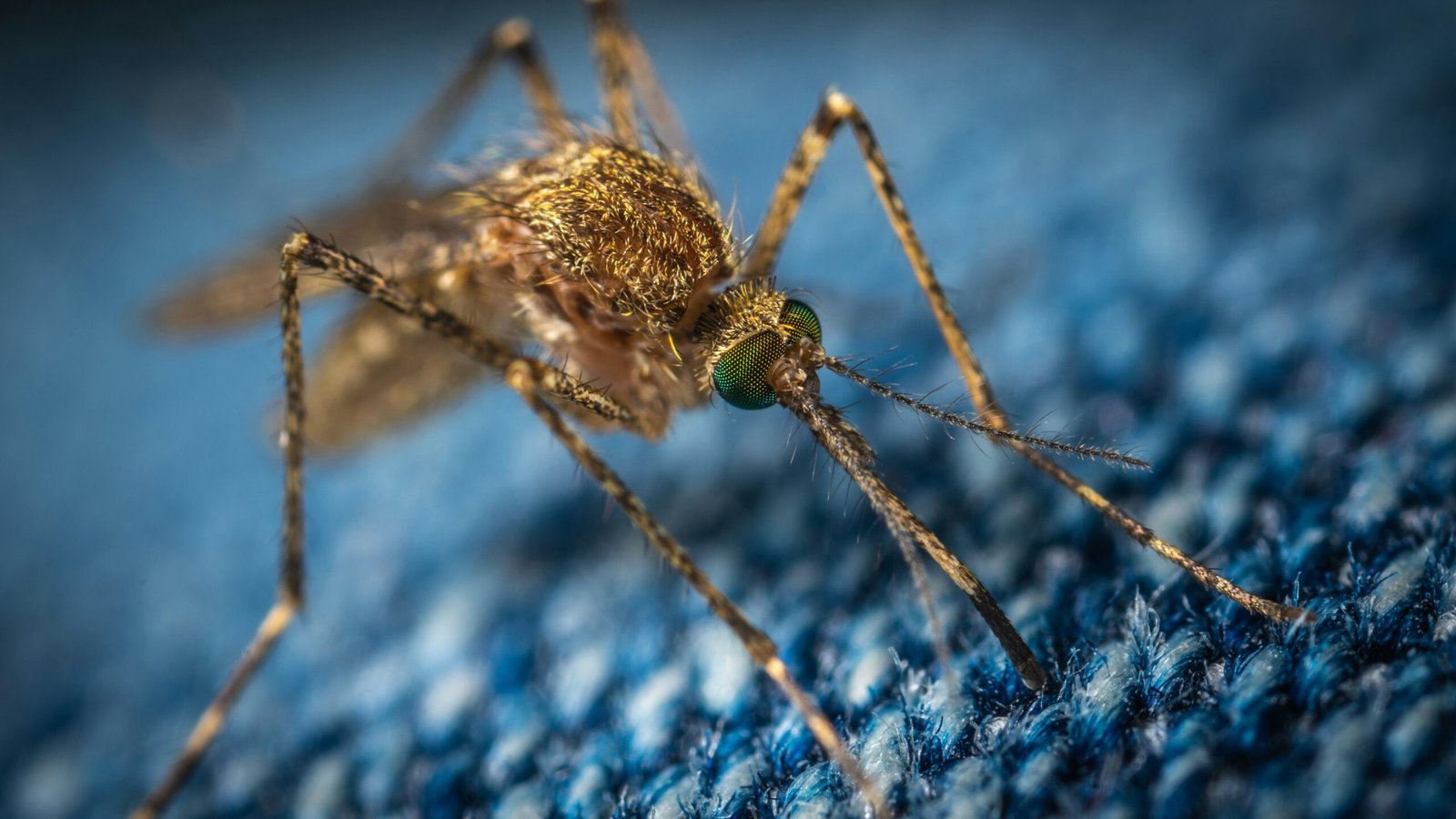

Google’s parent company, Alphabet, is seeking federal approval to release 32 million specially treated mosquitoes across California and Florida over the next two years. The goal is to reduce the spread of mosquito-borne diseases, including West Nile virus and St. Louis encephalitis.
The proposal, filed with the US Environmental Protection Agency, is part of Alphabet’s Debug initiative, a project launched in 2016 by its life sciences subsidiary, Verily. The EPA is currently reviewing the request under an experimental use permit, with a public comment period open through early June.
Exact release locations in Florida and California have not been announced yet.
How It Works
The plan hinges on a naturally occurring bacterium called Wolbachia. Debug breeds male mosquitoes infected with this bacterium and releases them into the wild. When these males mate with wild females that don’t carry the same strain, the resulting eggs are non-viable and don’t hatch — gradually shrinking the local mosquito population.

Here is the key detail: only female mosquitoes bite humans. The mass release of males will not add a single extra bite for residents of Florida or California.
The targeted species this time is Culex mosquitoes, the primary carriers of West Nile virus and St. Louis encephalitis — both already circulating in California. West Nile remains the most common mosquito-borne disease in the US, according to the CDC. A positive sample was confirmed in Riverside County, California, as recently as last Friday.
Why Google?
Smaller-scale Wolbachia trials by agencies like the Florida Keys Mosquito Control District have already shown meaningful drops in wild mosquito populations. But scaling that up to millions of insects is a logistics problem — one that Debug is tackling with AI-powered sex-sorting systems, automated rearing robots, and vehicle-based release platforms.
If approved, the two-year trial would roll out in phases: up to 16 million mosquitoes per state in year one, followed by another 16 million each in year two.
The Bottom Line
Google is seeking federal approval to release 32 million Wolbachia-infected mosquitoes across Florida and California to combat West Nile virus and other mosquito-borne diseases. The mosquitoes are all male, meaning they do not bite humans. The project uses AI and robotics to breed and release them at scale. The EPA is reviewing the request, with a public comment period open through early June.
Thirty-two million mosquitoes are headed to Florida and California. Google says they will save lives. Now, the government is deciding whether to let them fly.