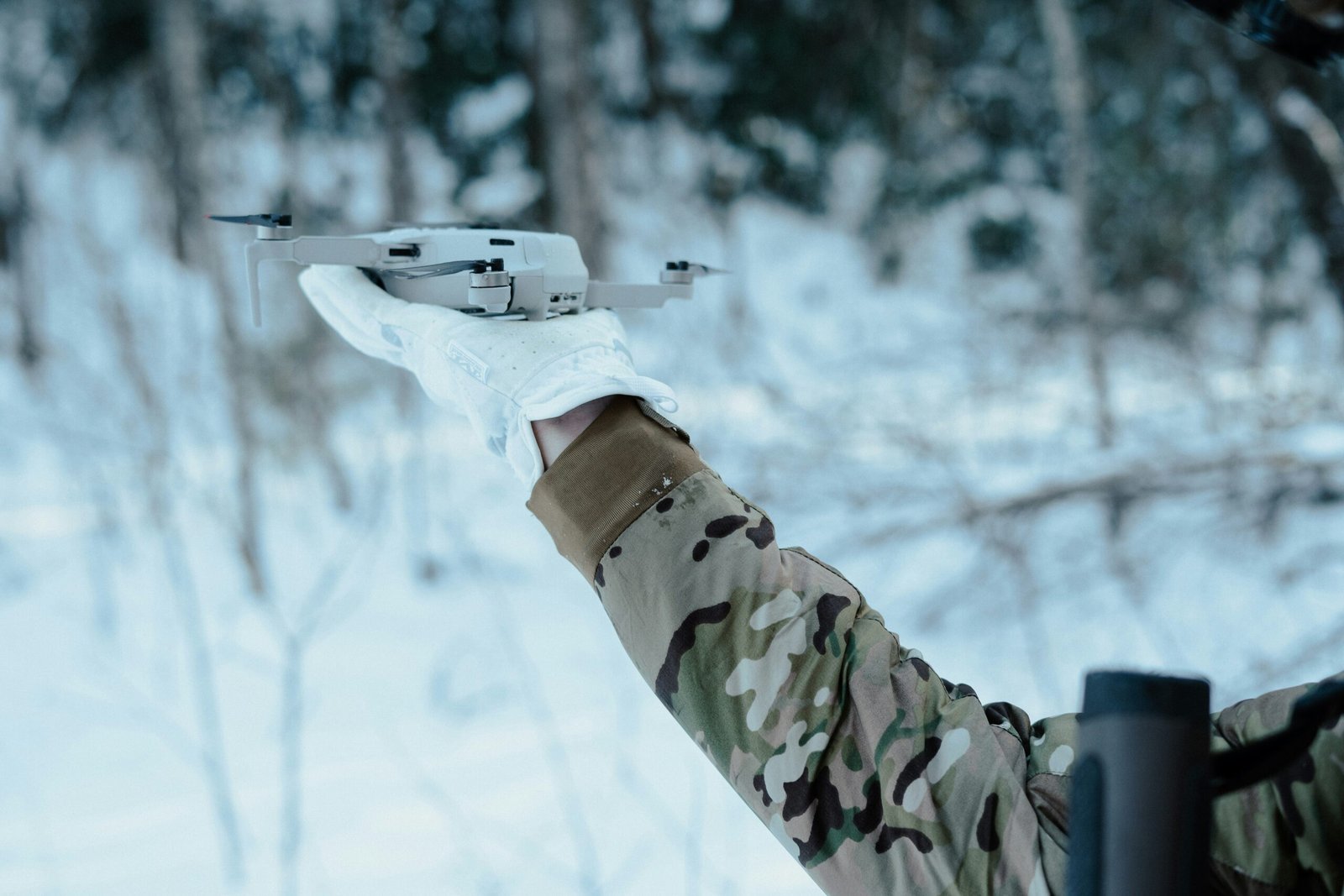

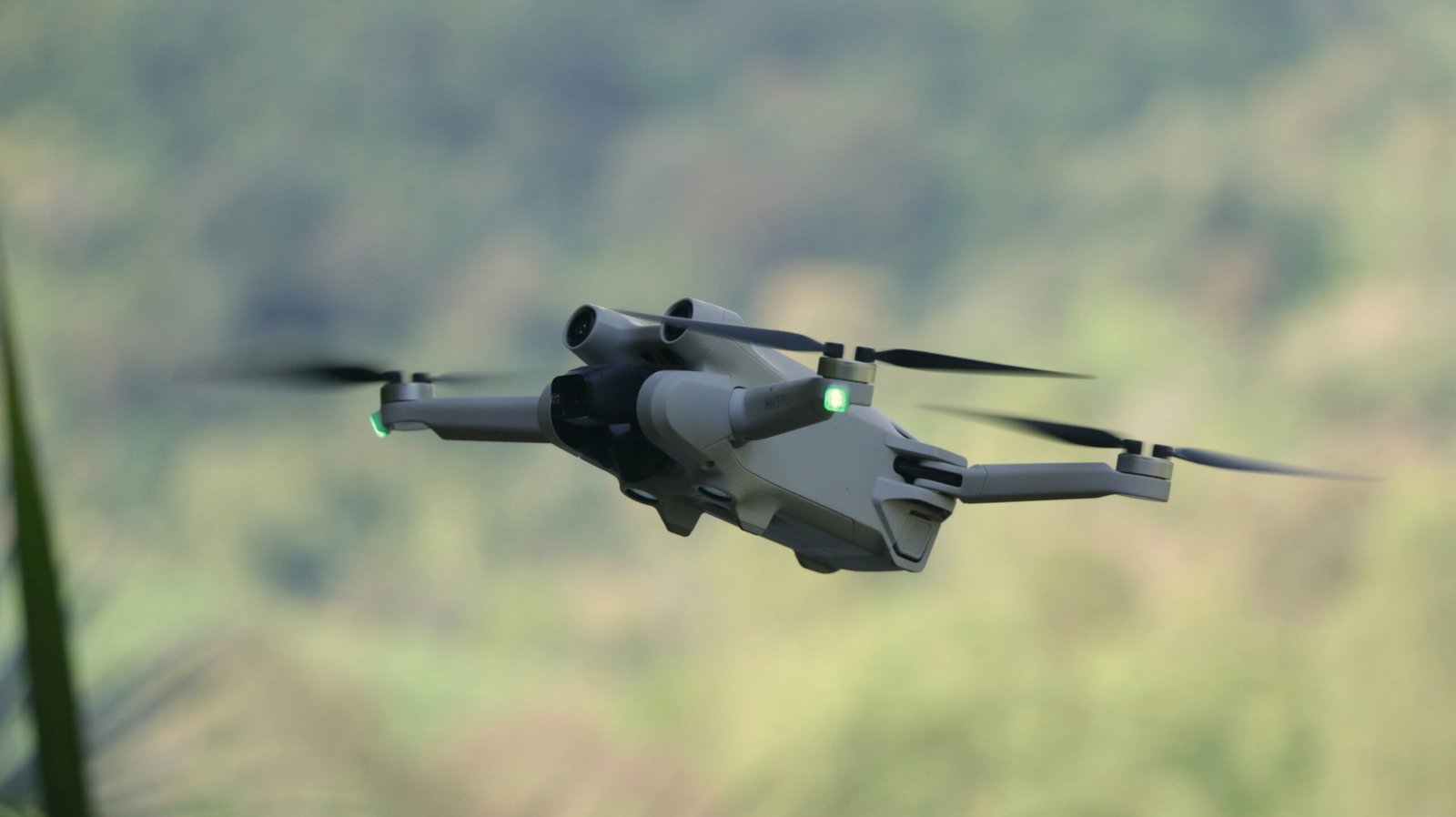
Residents in Russia’s Moscow region have described moments of panic and shock after a wave of Ukrainian drone attacks brought the realities of the war in Ukraine closer to home.
Elena Vladimirovna, who lives in an apartment building in Zelenograd, said she woke up around 4 a.m. after hearing a loud buzzing sound overhead. Looking outside, she saw several drones in the sky before a nearby explosion struck her building.
“Below us, under the balcony, there is a canopy like a ledge. The drone fell on this canopy, and then it burst into flames; black smoke started coming,” she recalled, adding that part of her fifth-floor apartment caught fire.
The 56-year-old said she and her son initially tried to extinguish the flames with buckets of water before realising the danger had escalated after hearing another blast. They eventually fled the building with their dog. The incident was part of a wider drone offensive reported across the Moscow region on May 17.
Russian authorities said more than 500 drones were launched in the attack, with at least three deaths recorded in the Moscow region.
President Volodymyr Zelensky described the strikes as “entirely justified,” saying Ukraine’s long-range operations were sending a clear message to Russia to end the war.
While major cities like Moscow and St. Petersburg have long been insulated from the daily impact of the conflict, residents say the situation is changing as drone attacks increasingly reach deeper into Russian territory.
Beyond the immediate security concerns, civilians are also facing fuel shortages, economic strain, internet restrictions and tighter surveillance measures, contributing to rising public unease.
In St. Petersburg, residents reported hearing anti-aircraft systems and drone activity during attacks that disrupted the city as it hosted a major economic forum attended by international delegates.
Experts say the Kremlin had previously maintained an informal understanding that urban residents would remain largely unaffected by the war, but that perception is beginning to weaken.
“The mayor of Moscow put a lot of effort into making it look like there is no war going on,” said social anthropologist Alexandra Arkhipova, noting that official messaging is now under pressure as restrictions and surveillance increase.
Residents are also adapting to new digital controls, with some using multiple phones to separate personal communications from state-monitored apps.
One resident, Maxim, who was away during the attack, said he returned to find damage to his apartment. Expressing frustration, he said he now uses two phones due to growing concerns about surveillance.
“I’m all for this to end. Hurry up, damn it!” he said, adding that the war should be stopped.
Another resident, Nadezhda, described the emotional toll of the strikes. Standing near a damaged building, she said she now reacts fearfully to sudden noises.
“I flinch at everything now,” she said.
Despite official restrictions on public discussion of the war, independent polling suggests a majority of Russians support moving toward peace talks, reflecting growing fatigue among civilians.
For many residents, the attacks and their aftermath have left a lingering sense of insecurity, with repeated calls for an end to the conflict growing louder as the war edges closer to home.