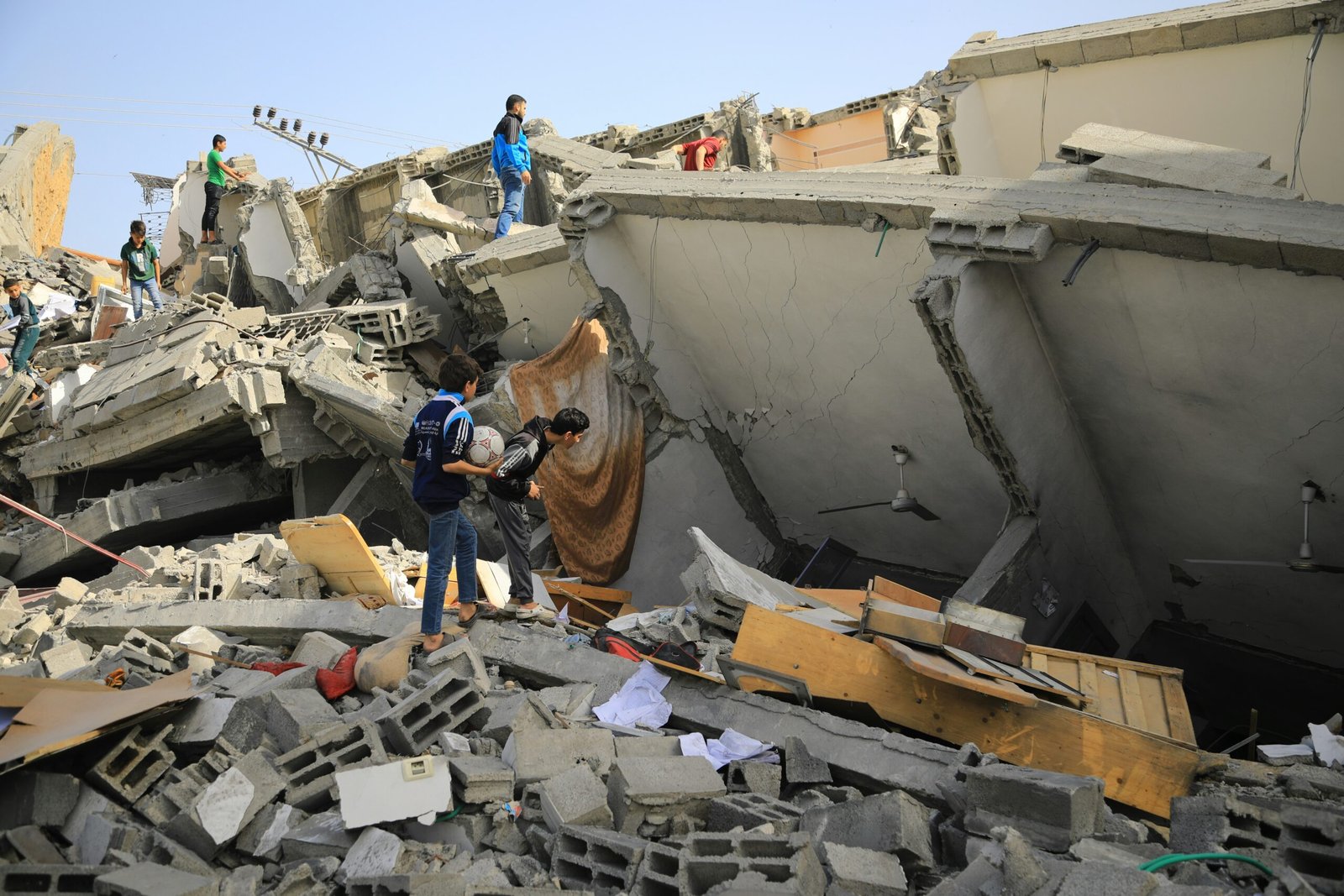

A powerful 7.8 magnitude earthquake struck off the coast of General Santos City on Mindanao, the Philippines’ main southern island, at 7:37 a.m. local time on Monday. At least 19 people are dead and 134 injured, according to civil defense officials. Seven people remain missing.
The quake triggered tsunami warnings across the region — from the Philippines to Indonesia, Japan, Australia, and New Zealand. Limited waves ranging from a few centimeters to 1.4 meters (4.6 feet) were later observed. Most warnings have since been lifted, but the damage on land is already catastrophic.
Buildings Reduced to Rubble
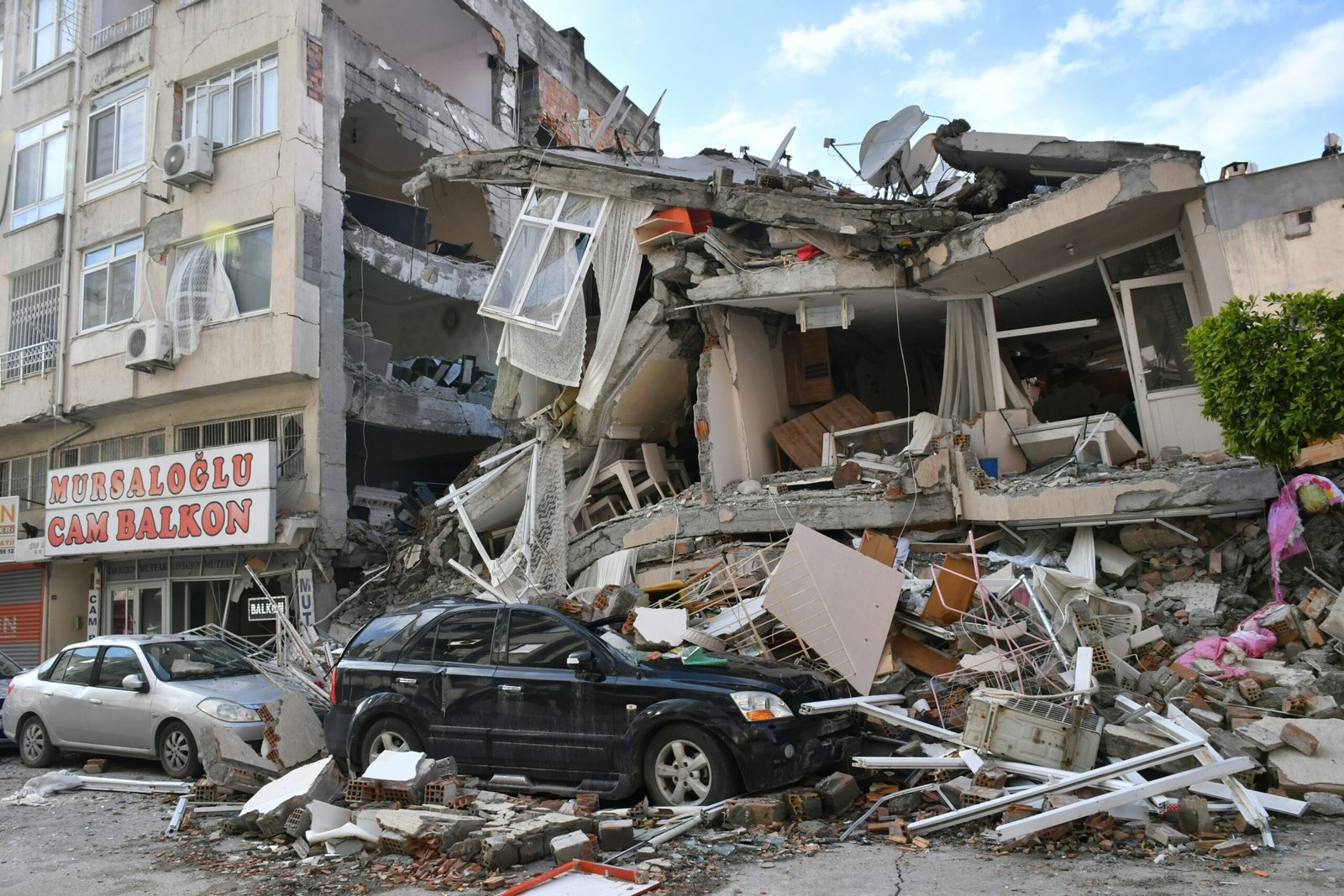
Videos and images circulating on social media show the sheer force of the quake. A Jollibee fast food restaurant — a beloved local chain — collapsed entirely, reduced to a pile of concrete and twisted metal. Dozens of other commercial buildings in General Santos City and surrounding provinces have also been damaged or destroyed.
The quake struck as the new school year began in the Philippines. Videos posted online showed young students screaming in fear as the ground shook violently. Teachers were seen hugging children and trying to keep them calm.
Philippine President Ferdinand Marcos Jr. said classes in quake-hit areas have been suspended. “Do not wait,” he warned residents. “Your life is more important than anything left behind.”
The Science Behind the Shaking
The Philippines sits on the Pacific Ring of Fire, a geologically unstable region where earthquakes and volcanic eruptions are common. The affected provinces face the Cotabato Trench, which government scientists describe as a “major earthquake-generating structure” capable of producing minor to great earthquakes.
Monday morning’s quake was a “subduction” event — one tectonic plate sliding beneath another. It has already triggered at least 138 aftershocks, with magnitudes ranging from 1.3 to 6.7. The shaking is not over.
Tsunami Warnings and Waves
Tsunami warnings were issued across the region. Waves were recorded in six areas of Mindanao, as well as in Palau, Indonesia’s Northern Sulawesi province, and Davao. The highest recorded wave measured 1.4 meters (4.6 feet).
Indonesia lifted its tsunami warning after waves of 0.3 feet (9 cm) and 2.7 feet (0.8 m) were observed. The Philippines’ warning remained in force for hours as authorities continued to monitor sea level disturbances.
The UK’s Foreign, Commonwealth & Development Office issued safety guidance for the Mindanao region, urging travelers to follow local advice and avoid damaged buildings.
The Human Toll
The death toll is expected to rise. Officials caution that the numbers still need to be verified by the National Disaster Risk Reduction and Management Council. But the scale of the tragedy is already clear.
The city of General Santos, near the epicenter, is known as the Philippines’ tuna capital. It is now a center of rescue and recovery operations. The Philippine Red Cross says it is on the “highest alert.”
President Marcos has promised that the government “will not leave Mindanao behind.” Evacuation and relief efforts are underway.
The Bottom Line
A 7.8 magnitude earthquake struck off the coast of Mindanao in the southern Philippines, killing at least 19 people and injuring 134. Seven people are missing. The quake triggered tsunami warnings across the region, with waves recorded as high as 1.4 meters (4.6 feet). Buildings, including a Jollibee restaurant, collapsed. The quake struck as the new school year began, sending students and teachers fleeing in panic. Aftershocks continue to shake the region. Rescue and relief efforts are ongoing.
The ground has stopped shaking. For the people of Mindanao, the recovery has just begun.