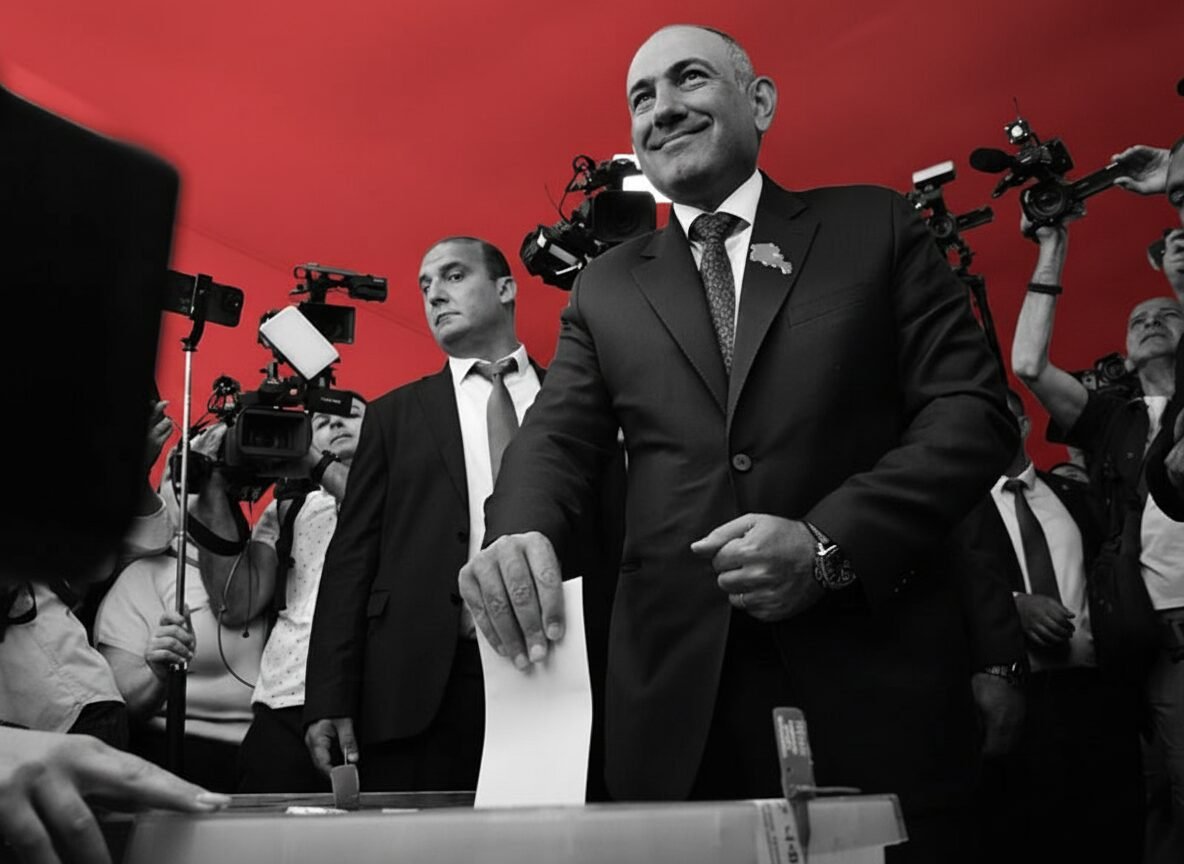
Armenian Prime Minister Nikol Pashinyan has declared victory after his Civil Contract Party emerged as the leading force in a closely watched parliamentary election widely seen as a referendum on the country’s geopolitical direction.
Preliminary results showed the centrist ruling party securing 49.8 percent of the vote, ahead of the Strong Armenia Alliance, which garnered 23.2 percent. The Armenia Alliance finished third with 9.9 percent.
The election was the first national vote since Armenia’s military defeat to Azerbaijan in 2023, a conflict that reshaped the country’s political landscape and intensified debate over its future ties with Russia and the West.
Speaking after the results were announced, Pashinyan said voters had chosen a path focused on stability and cooperation.
“Armenian people voted for peace, regional prosperity and cooperation,” he stated.
The outcome is expected to strengthen Pashinyan’s efforts to deepen relations with Western nations while maintaining economic ties with Russia, Armenia’s traditional ally and largest trading partner.
European leaders welcomed the result, with France and the European Union congratulating the Armenian leader and expressing support for closer cooperation with Yerevan.
However, Russia reacted critically to the election. Russian Foreign Ministry spokesperson Maria Zakharova alleged that opposition groups faced significant pressure during the campaign and claimed Western countries had interfered in the process. She also described Armenian society as deeply divided.
Despite his party’s victory, Pashinyan has faced declining popularity in recent years, largely due to public dissatisfaction following Armenia’s loss of Nagorno-Karabakh to Azerbaijan. Many critics accuse him of making too many concessions in pursuit of peace with the neighbouring country.
A total of 19 political parties and alliances contested the election, though only a handful secured enough support to gain representation in parliament. Voter turnout stood at 59 percent, according to election officials.
Among the opposition groups were several parties considered closer to Moscow, including the Strong Armenia Alliance led by businessman Samvel Karapetyan, the Armenia Alliance headed by former President Robert Kocharyan, and the Prosperous Armenia Party led by Gagik Tsarukyan.
While reaffirming his intention to strengthen ties with Western partners, Pashinyan stressed that Armenia would continue its participation in the Russian-led Eurasian Economic Union.
His government has recently taken steps toward closer integration with Europe, including legislation aimed at launching the process of joining the European Union and advancing a U.S.-brokered peace agreement with Azerbaijan.
The election campaign unfolded against a backdrop of economic pressure from Moscow. In recent weeks, Russia imposed restrictions on several Armenian exports, while Russian President Vladimir Putin warned Armenia about the potential economic costs of moving away from the Eurasian Economic Union.
Despite those challenges, Pashinyan’s supporters argue that his leadership offers the best chance for peace and stability after years of regional conflict. Others remain concerned about the future of displaced Armenians from Nagorno-Karabakh and question whether closer ties with Europe will deliver tangible benefits.
The election result is expected to shape Armenia’s foreign policy direction for years to come as the country balances its historic relationship with Russia against growing engagement with Western nations.