Ukrainian drone strikes on refineries, depots, pipelines, and fuel tanker trucks along the land corridor from Russia to Crimea have triggered the worst fuel crisis on the Black Sea peninsula since it was illegally annexed by Russia in 2014.
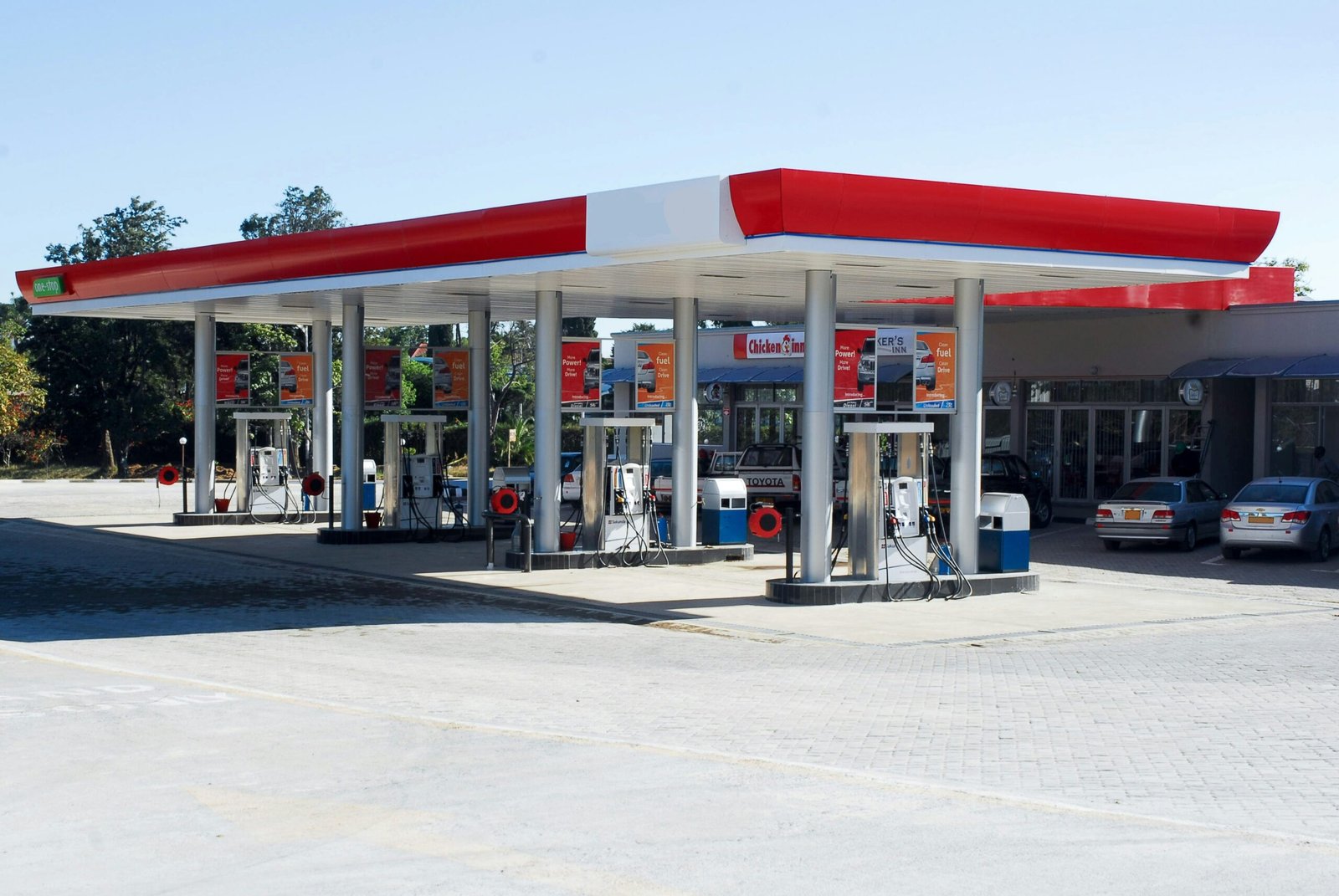
Motorists are waiting in long lines at gas stations across Crimea. Authorities have restricted the sale of gasoline to 20 liters (about 5 1/3 gallons) per vehicle owner per week using prepaid coupons. Those coupons were snapped up immediately following their release. Some speculators are now selling gas at double the market price.
The persistent attacks reflect the growing intensity and efficiency of Ukraine’s drone strikes and have caught Russia off guard and struggling for a response.
A Rare Kremlin Acknowledgment
In a rare public acknowledgment, the Kremlin has recognized the scope of the problem. Kremlin spokesman Dmitry Peskov promised that “measures were being taken” to deal with the shortages.
The Russian Defense Ministry has been silent about the Ukrainian attacks on the land corridor, while some war bloggers have harshly criticized the military for failing to anticipate the strikes and for its slow response. Some suggested military escorts for fuel trucks, while others urged stepping up strikes on Ukrainian bridges, fuel storage sites, and other infrastructure.
The Washington-based Institute for the Study of War noted the synergy between Ukraine’s longer-range attacks on Russian refineries and its midrange strikes disrupting supplies to Crimea.
“The long-range strike campaign is therefore reducing Russia’s production capacity, while the midrange strike campaign is hurting Russia’s ability to transport the gasoline Russia is still able to produce,” it said in an analysis.
Tourism and Symbolic Blows
As Russia marks its national holiday, signaling the start of summer vacations, the gas shortages are threatening to cause further disruptions to Crimea’s tourism-dependent region, with its beaches and resorts. The business daily Kommersant reported that nearly 80% of hotel bookings were canceled in late May and early June. Some hotels offered gasoline as a bonus for new bookings.
Amid the fuel crisis, Ukraine dealt another symbolic blow to Russia, striking a historic Sevastopol building that houses a huge panoramic painting depicting the defense of the city during the 19th-century Crimean War. The painting was effectively destroyed by fire during the attack, according to Mikhail Razvozhayev, the Kremlin-appointed head of Crimea’s largest city.
Given Russian President Vladimir Putin’s focus on Crimea, military blogger Valery Shiryayev said the attack would certainly anger the Russian leader. “It’s hard to find another work of art, another part of national heritage, whose destruction would be as painful for Putin,” he said.
Ukraine’s Growing Capability
Ukraine’s successes have highlighted its ability to inflict painful damage on Russia and change the course of the conflict, while Moscow’s advances recently have ground to a near halt. On Thursday, Russia’s full-scale invasion of Ukraine reached its 1,569th day, surpassing the duration of World War I.
Natia Seskuria, of the Royal United Services Institute in London, observed that the latest attacks on Crimea’s supply lines have exposed Russia’s vulnerabilities and inflicted significant damage, allowing Ukraine to reclaim momentum.
She said Ukraine’s attacks have both a political message and a strategic aim. They underscore that it has “the capabilities and intent to contest Russian control in Crimea,” while also depriving Russia of an important logistics hub.
The Bottom Line
Ukrainian drone strikes on refineries, depots, pipelines, and fuel tanker trucks have triggered the worst fuel crisis in Crimea since Russia’s 2014 annexation. Motorists face long lines and rationing, with gas sales restricted to 20 liters per week. The Kremlin has acknowledged the problem, and nearly 80% of hotel bookings have been canceled. Ukraine also destroyed a historic 19th-century Crimean War painting in Sevastopol. The attacks have exposed Russia’s vulnerabilities and allowed Ukraine to reclaim momentum in the 4-year-old war.