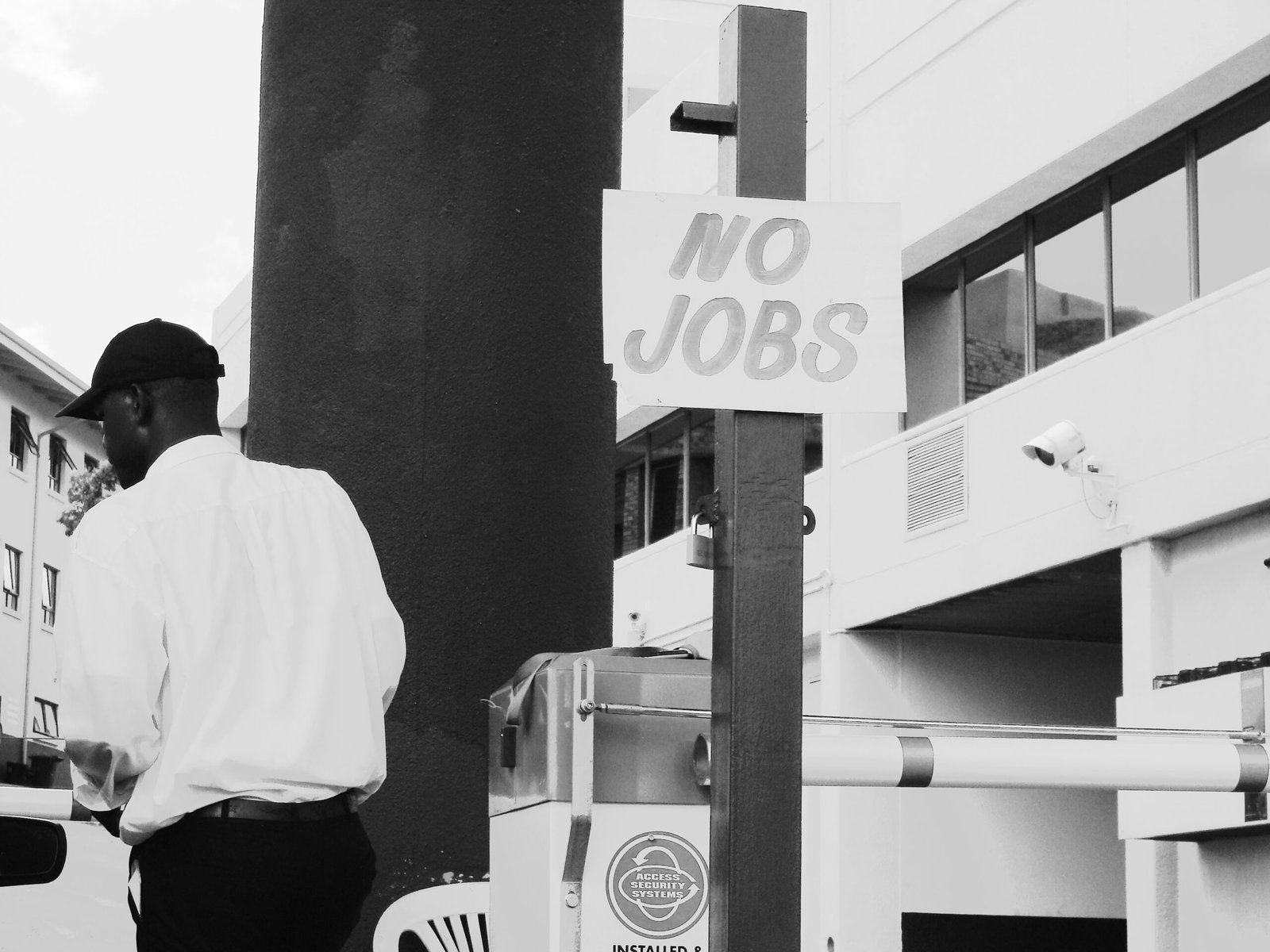

The latest economic numbers from the Labor Department dropped a bit of a surprise this week: new applications for U.S. jobless aid rose to 229,000 for the week ending June 6, 2026. While that is a modest increase of 4,000 filings from the previous week, it represents the highest number of unemployment claims the country has seen since early February.
Despite the sudden jump, which came in higher than the 216,000 claims that top Wall Street analysts expected, the underlying truth is that the American job market is holding up remarkably well. Even with the massive economic pressures and global trade disruptions caused by the ongoing war in Iran, overall layoffs across the country are staying at historic lows.
Breaking Down the Numbers
Weekly unemployment claims are important because they act as a real-time health check for the economy. They tell us exactly how many people are getting laid off from their jobs week by week.
The latest data reveals a very specific picture of where the U.S. workforce stands right now. An extra 4,000 Americans filed for unemployment last week, pushing the total to 229,000.

Financial experts surveyed by the data firm FactSet predicted things would look a bit better, forecasting only 216,000 claims. Even though this is the highest spike in four months, economists still consider any total under 250,000 to be a sign of a very stable and healthy job market.
The Job Market is Tougher Than the Data Admits
If you listen to government press releases, everything looks great. They point to the fact that we are averaging 188,000 new jobs a month since the war in Iran started, and they tell us that a 4.3% unemployment rate is nothing to worry about. But if you talk to everyday Americans looking for work, the vibe on the ground feels completely different.
The truth behind these rising jobless claims is that our economy is running on fumes and riding a wave of luck.
We are coming off an absolutely brutal 2025 where hiring completely dried up, bringing in fewer than 200,000 total jobs the entire year. To put that in perspective, we added 1.5 million jobs in 2024. People have been struggling to find steady work for over a year now, and their savings are gone.
While the sudden jump to 229,000 claims isn’t an emergency yet, it is a flashing yellow warning light. The war in Iran is driving up global oil prices and putting serious stress on American businesses. Companies are facing higher supply chain costs and are getting nervous about the future. They might not be doing massive, headline-grabbing layoffs just yet, but they are absolutely tightening their belts.
When you look at the fact that 7.6 million job openings are sitting empty, it tells you there is a massive mismatch. The open jobs either don’t pay enough to cover the rising cost of living, or they require specific skills that laid-off workers don’t have. Celebrated “healthy” stats don’t mean much to the extra 4,000 families who just lost their primary income last week.
War Headwinds and the Fight to Hire
What makes these numbers so fascinating is that the job market is actually growing at the exact same time that global tensions are threatening to tear it down.
Three main factors are keeping the labor market afloat despite the geopolitical chaos. After a terrible year of stagnation in 2025, U.S. employers are desperate to catch up. Businesses unexpectedly added 172,000 brand-new jobs in May alone.
Companies are actively looking for help. Job openings jumped to 7.6 million in April, up significantly from the 6.9 million vacancies posted in March. Since the U.S. and Israel engaged in conflicts with Iran in late February, hiring has ironically hit its best three-month streak since early 2024. This is largely driven by a boom in domestic defense manufacturing and energy sectors trying to offset Middle Eastern disruptions.
A Fragile Balance
Ultimately, the truth behind the rising jobless claims is that the U.S. economy is walking a very tightrope. Layoffs are ticking upward because the war in Iran is creating a volatile business environment, but an underlying hunger for talent is keeping the wider market from collapsing. As long as job openings stay high and companies keep creating positions to bounce back from last year’s slump, the job market should survive these wartime headwinds, but it is going to be a bumpy ride.