Federal officers made a sudden U-turn on a plane to Brazil after immigration authorities stepped in to stop the deportation of a U.S. soldier’s wife, Maisa Lopes Eliaser. The 32-year-old spouse of Army Staff Sergeant Alexis Jaramillo was sitting on a deportation flight heading to South America when officers received a phone call ordering her removal from the plane. After spending over a month in federal custody, Eliaser was flown back to Louisiana and released to her family following intense public attention and congressional scrutiny over military family detentions.
Why Public Pressure Stopped the Deportation of US Soldier Wife
The sudden decision to halt the deportation of US soldier wife Maisa Eliaser came after news reports exposed how recent policy shifts removed longstanding safety protections for military households.
Eliaser was already in the air on a flight to Brazil when ICE officers received a call mid-flight. They offered her the choice to keep flying or turn back to the United States. Officers told Eliaser she had become “famous” due to online news coverage and social media attention surrounding her detention. The Associated Press reported that over 50 military spouses and parents had been targeted for removal, leading Democratic lawmakers to launch a formal probe into immigration enforcement against service members’ families.
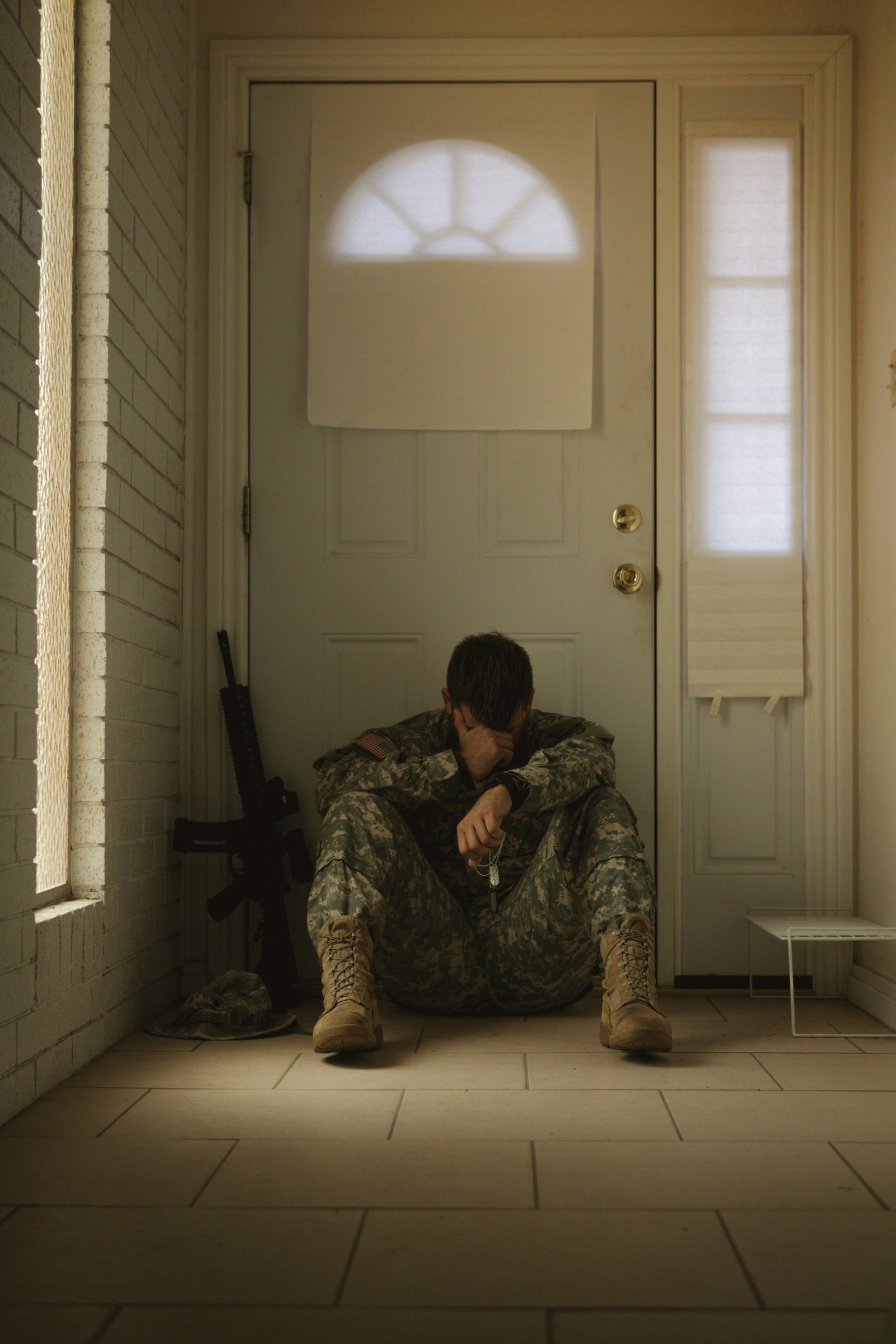
Federal officials noted that Eliaser was originally ordered deported in April after overstaying a tourist visa from 2019, but her family ties to an active-duty soldier sparked widespread backlash.
My Opinion
Detaining and trying to deport the spouses of active-duty service members is deeply wrong and disrespectful to the men and women who serve in the armed forces. Soldiers like Staff Sergeant Jaramillo put their lives on the line for the country every single day. The very least the government can do in return is ensure their families are safe and stable at home while they carry out their duties.
When a soldier is worrying about whether their husband or wife will be pulled out of their house and put on a plane to another country, it takes away from their focus on military readiness. For years, the government maintained special protections to keep military families together because everybody understood the sacrifices these families make. Stripping those protections away creates unnecessary stress and heartache for people who are giving everything for the nation.
It should not take a viral news report or a last-minute phone call to a plane in mid-air to do the right thing. While immigration enforcement matters, common sense and basic human respect must come first. Protecting military families is not a political issue; it is about honoring the service of those who protect us.
Bottom Line
The dramatic turnaround in the deportation of US soldier’s wife Maisa Eliaser shows how fast public pressure can force government agencies to reconsider harsh actions. While Eliaser is finally back home with her husband, dozens of other military families still face uncertainty as enforcement rules remain strict. As Congress investigates these detentions, lawmakers must create clear, permanent protections so military spouses do not have to live in fear of sudden deportation.