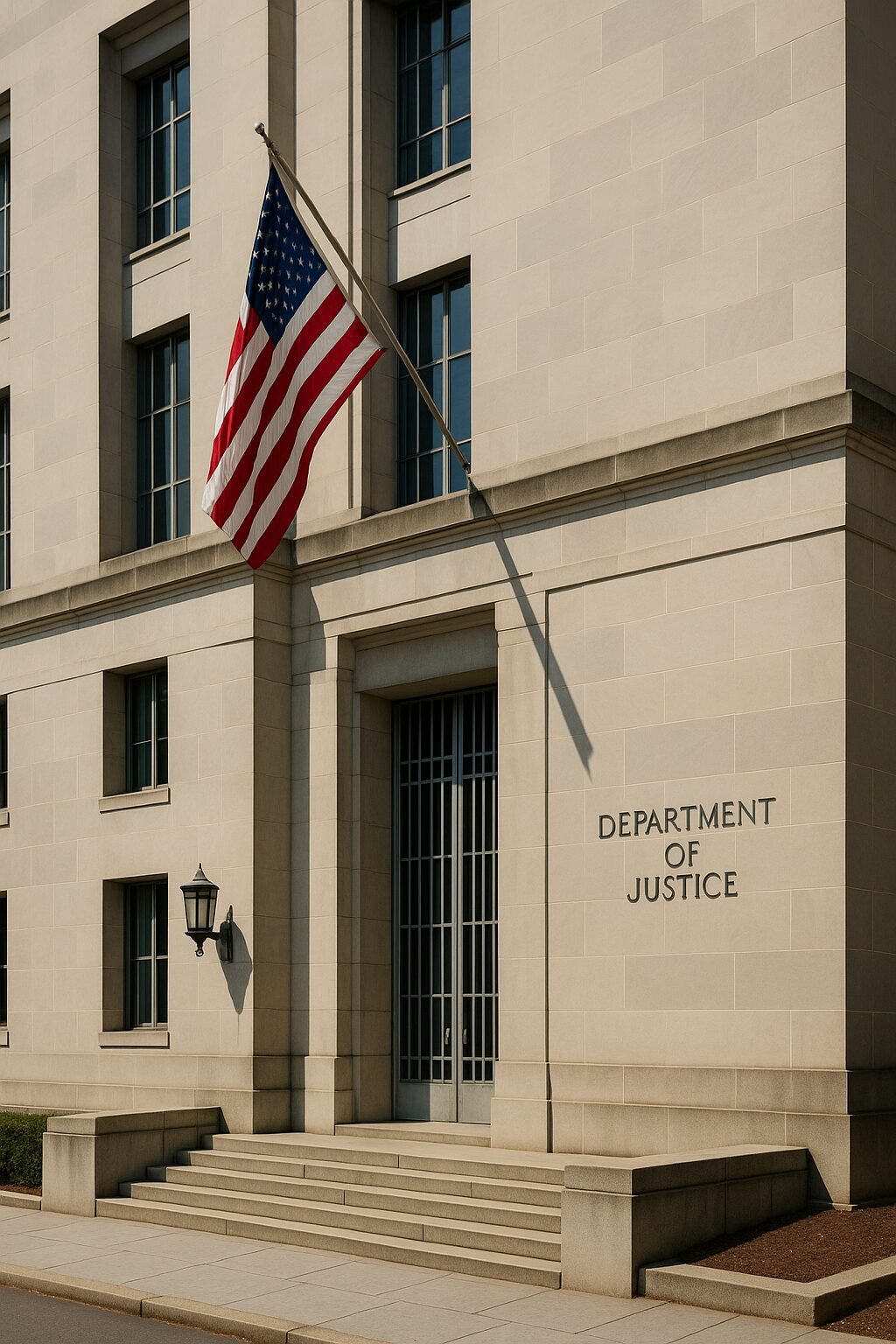
The U.S. Department of Justice is considering a major procedural update that may affect how certain human trafficking survivors apply for green cards by making the process for obtaining certification letters connected to criminal cases more structured and formalized.
On Tuesday, the Department of Justice’s Human Rights and Special Prosecutions Section published a proposal in the Federal Register outlining a new formal process that would allow T-visa recipients to request official proof that any investigation or prosecution related to their trafficking case has been concluded.
This finding carries significant weight, as federal immigration rules allow such certification to potentially make T-visa holders eligible to apply for permanent residency before completing the standard three-year waiting period.
“In November of 2025, Civil Rights Division’s Human Trafficking Prosecution Unit (HTPU) merged with the Criminal Division’s Human Rights and Special Prosecutions Section (HRSP) and is working to improve efficiencies in handling T-visa certification letter responsibilities,” a DOJ official told Newsweek Tuesday.
“The Department has determined that automating this system through a custom database will not only increase the accuracy of the program but also reduce processing times and make it easier for applicants to submit requests. The Department is committed to streamlining this process for trafficking survivors.”
T-visas enable eligible victims of human trafficking to live in the United States for up to four years. In most cases, beneficiaries must wait three years before they are allowed to apply for permanent residency.
That waiting period can be shortened if the Attorney General or an appointed representative certifies that any related investigation or prosecution has been fully resolved.
USCIS states that, to be eligible for T nonimmigrant status, applicants must usually meet a number of requirements. They must show that they were subjected to trafficking involving force, deception, or coercion, and that they are present in the United States or at a port of entry as a direct result of that trafficking experience.
They must also demonstrate that removal from the U.S. would likely result in serious harm or hardship. In addition, applicants must be either legally admissible to the country or qualify for a waiver if they are not.
Another key requirement is cooperation with law enforcement, which generally involves responding to reasonable requests to assist in investigations or prosecutions related to trafficking. However, the law exempts minors and certain trauma-affected survivors from this cooperation requirement.