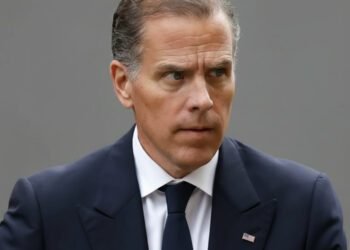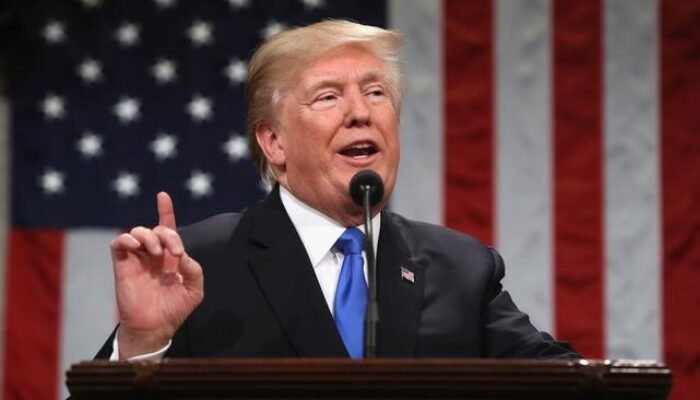

The White House is celebrating a new 14-point memorandum of understanding with Iran, claiming it will secure peace in the Middle East; when looking at Trump’s Iran deal compared to Obama’s 2015 nuclear agreement, both presidents used the exact same basic formula. Giving Iran relief from economic sanctions in exchange for limits on its nuclear program.
However, the depth, context, and terms of these two agreements reveal massive differences in how both administrations handled Washington’s biggest adversary.
Key Differences: Framework vs. Detailed Treaty
While the current administration claims this new agreement is vastly superior to the 2015 Joint Comprehensive Plan of Action (JCPOA), foreign policy experts and critics point out that the two documents are built very differently.
The Big Differences in the Two Foreign Policy Plans
While the basic trade of money-for-peace is identical, the actual structure of the two international agreements could not be more different.
The main differences that experts are pointing out include:
1. A Solid Contract vs. a Loose Outline: The 2015 nuclear agreement was a highly detailed, legally binding document that took diplomatic teams over two years of intense face-to-face meetings to write down. The current plan is just a basic memorandum, which acts more like a rough starting outline.
2. The Problem of Unresolved Issues: The new document leaves almost all of the biggest, most dangerous arguments completely open. Foreign diplomats are supposed to figure out those tough details during an upcoming 60-day negotiation period.
3. The Core Trigger: Obama’s team focused entirely on stopping Iran from building a nuclear weapon by destroying their atomic equipment. The current White House deal is focused on immediately halting the hot war that broke out in the region earlier this year.
My Opinion
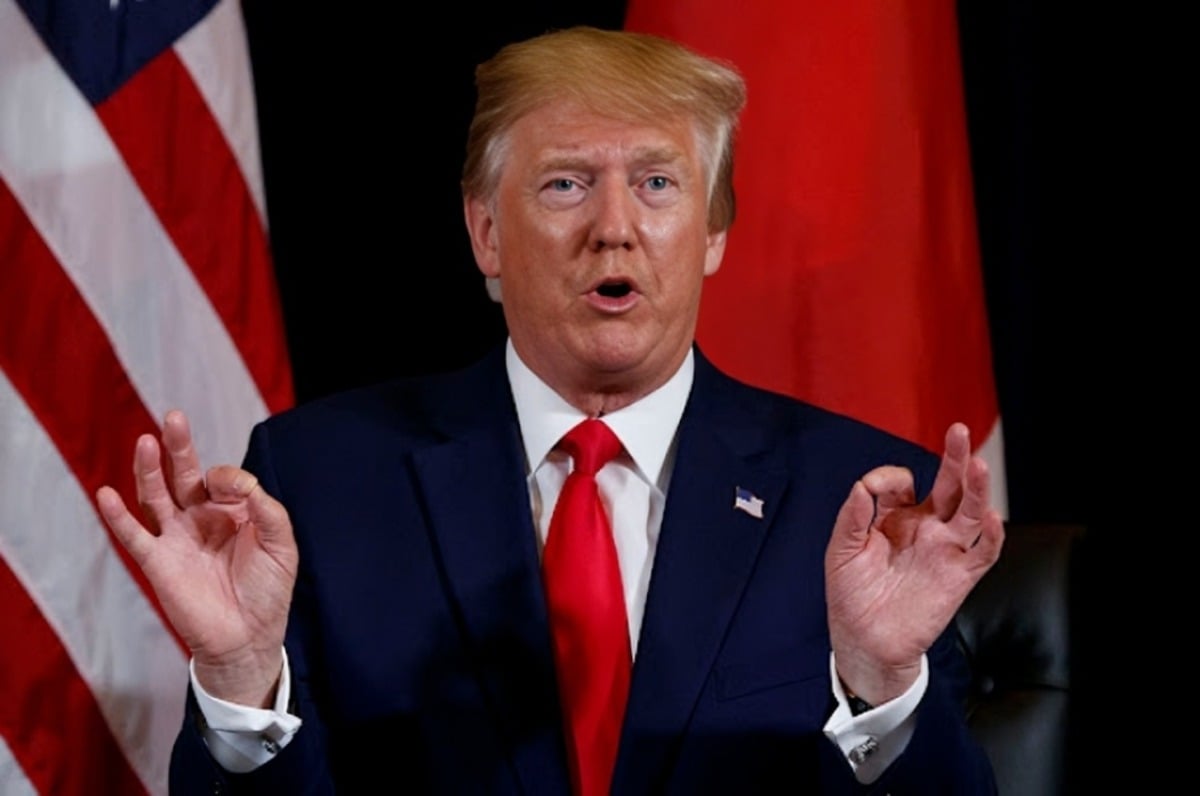
The political gaslighting happening right now is absolutely off the charts. It is deeply ironic to watch the president brag about this deal when he spent the last ten years trashing the 2015 agreement as the worst negotiation in American history. Now, after starting a direct military conflict with Tehran, he is signing a piece of paper that does the exact same thing but with fewer safety rules.
The administration is essentially celebrating a ceasefire agreement before the actual peace talks even begin. They rushed to sign a vague framework just to stop oil prices from completely destroying the American economy before the upcoming midterm elections.
Leaving the most critical national security issues to a 60-day scramble is an incredibly reckless way to handle foreign policy. Right now, the Strait of Hormuz is still blocked by naval mines and the Iranian military hasn’t dismantled a single weapons factory. The 2015 agreement had strict, international inspection teams on the ground making sure Iran didn’t cheat. This new plan relies almost entirely on personal promises. If the next two months of meetings fall apart, this whole framework will collapse, and we will be right back in a shooting war with zero backup plan.
Conclusion
When Trump’s Iran deal is compared to Obama’s 2015 nuclear agreement, the new framework looks far more fragile.
While the temporary truce has successfully lowered global oil prices and stopped the immediate fighting for now, the real test is just beginning. If international diplomats cannot turn this loose memorandum into a solid, detailed treaty over the next two months, the entire Middle East is going to slide right back into a massive crisis.