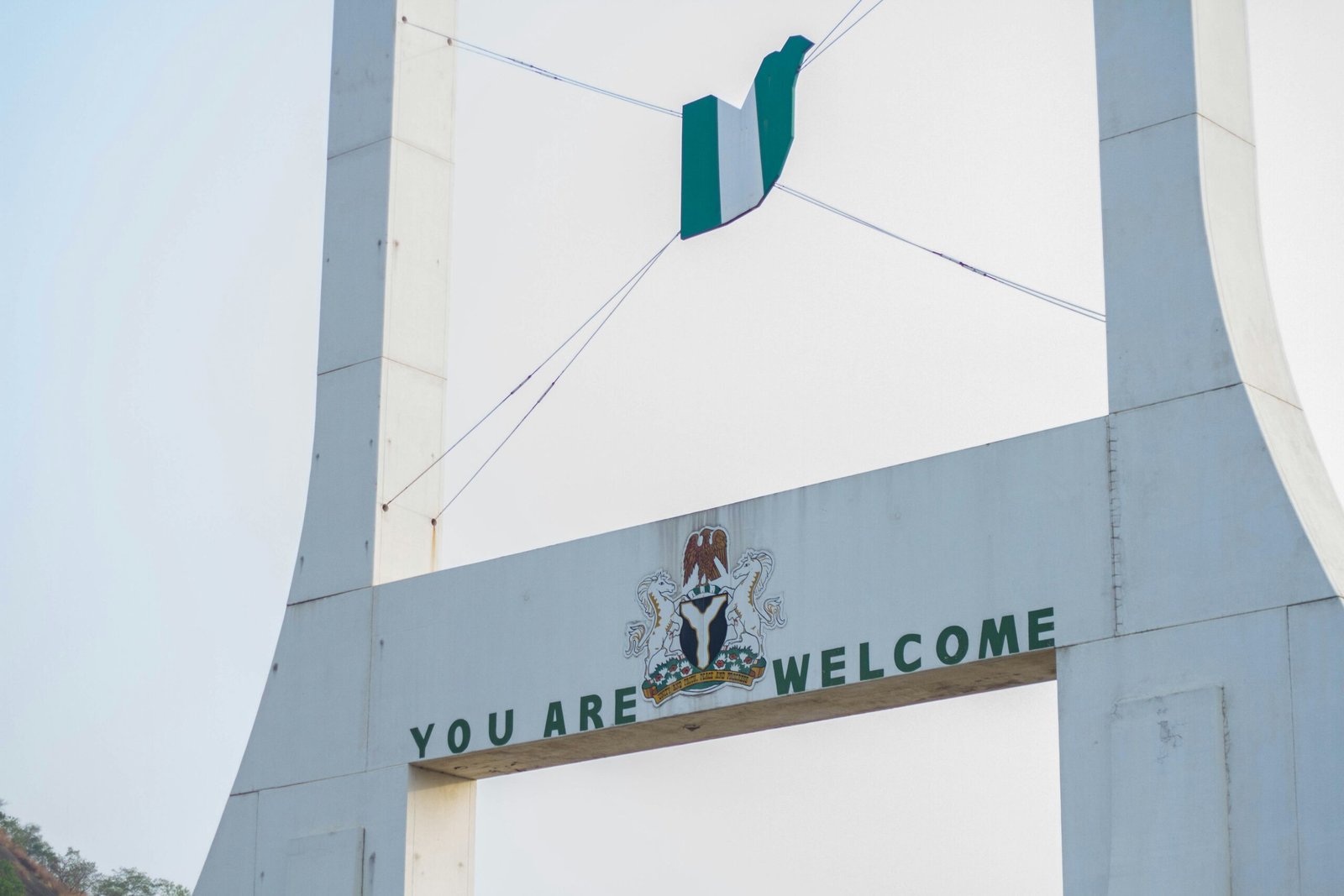

A painful economic reality is hitting hundreds of families across West Africa. For many people, leaving home to find a better life is a big dream. But what happens when that dream turns into a nightmare, and the journey back home feels even worse? This is the sad reality for many people who had to run away from hatred in South Africa, only to find that life back home is incredibly difficult. This deep struggle shows exactly why migrants regret returning to Nigeria after trying to build a life abroad.
Running Away from Hatred and Violence
For many years, South Africa was seen as a place of hope and money. It is one of the richest countries on the continent, with big industries, good roads, and lots of jobs. Because of this, thousands of people from different African countries packed their bags and moved there.
One of these people was Iniebong James, a 52-year-old man who left his home a decade ago. He traveled to South Africa on a short six-month visa. When his time ran out, he decided to stay without legal papers because he needed to make money. He worked hard and built a stable life as a car mechanic in the Eastern Cape area. He was doing okay and sending money back to his family until things suddenly changed.
In May, angry local protesters attacked him just because he was a foreigner. The attack left him with a severe head wound. This was not an isolated event. Over the past few months, a massive wave of anti-migrant protests has swept across South Africa. Local crowds have marched through the streets, demanding that foreign nationals leave immediately. Sadly, these marches often turn into physical violence.
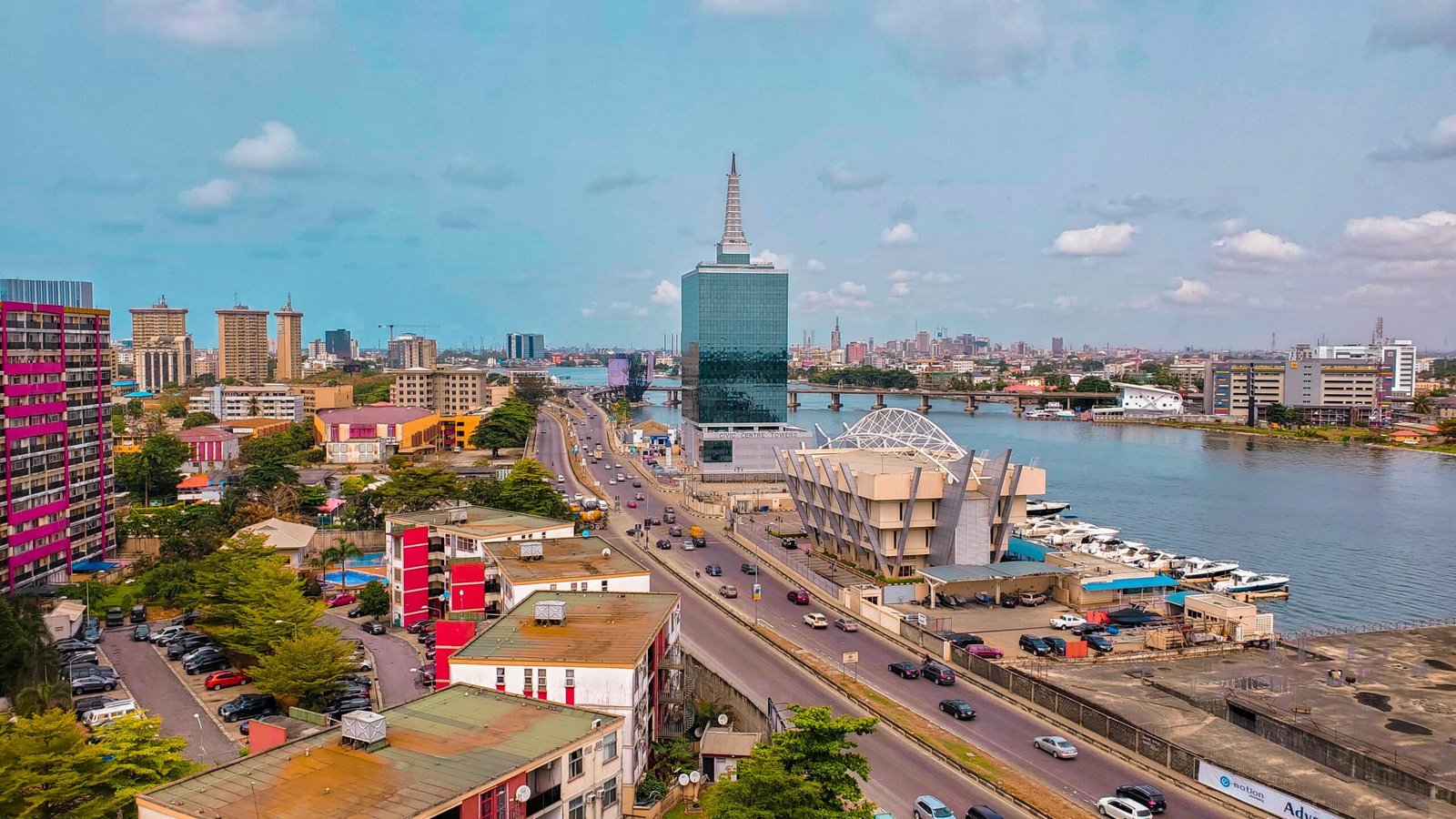
Because of these extreme safety threats, the Nigerian government and other African nations had to step in. They organized emergency flights to bring their citizens back home safely. When the plane carrying hundreds of fleeing citizens finally touched down at the airport in Lagos, many passengers wept with relief. They were happy to be alive, but that sweet relief quickly turned into deep worry.
The Shock of Coming Home to No Jobs
The biggest reason why migrants regret returning to Nigeria is that the bad economic problems they ran away from years ago are still waiting for them. Moving back to an old life is never easy, especially when you have to start all over again from absolute zero.
”I thought staying alive was the most important thing, but now that I am safe, I do not know how I will eat tomorrow.” — Returned migrant in Lagos
The economic environment back home presents several challenges for these returnees. Before James left for South Africa, he worked as a truck driver, but the pay was too small to feed his family. Now that he is back, finding any job at all is almost impossible because the unemployment rate is extremely high. The price of everyday items like food, rent, fuel, and electricity has gone up completely. Money does not buy as much as it used to, making basic survival a daily struggle. Many of these individuals lost everything they owned during the attacks in South Africa. Their shops were looted, their tools were stolen, and they landed at the airport with nothing but the clothes on their backs. Without money from the government, they cannot buy new tools to start their businesses again.
Local citizens in South Africa often blame foreigners for taking their jobs, causing high poverty, and straining public services like schools and hospitals. But the truth is that macroeconomic issues affect poor people in both countries. Now, the returning travelers are stuck in the middle of a painful trap. They had to run away from South Africa to save their lives, but now they are facing slow financial ruin in their own homeland.
Government Officials Must Do More Than Just Provide Free Plane Rides
It is simply not enough for the government to send a plane to rescue citizens from a crisis zone and then dump them at the airport without any long-term help. Providing a free flight home is a good first step, but it does not solve the root problem. When people return with deep emotional trauma, physical injuries, and empty pockets, they need real support to build their lives back up.
The state needs to create dedicated integration programs. These people are skilled mechanics, drivers, builders, and traders. They do not want free handouts; they want an honest chance to work. The authorities should offer them small, interest-free loans so they can rent shops and buy tools.
If the government continues to ignore these returned citizens, many of them will become completely desperate. Some will end up in deep poverty, while others will risk their lives to run away from home yet again. We cannot truly celebrate bringing our people home if we are just bringing them back to a life of hunger and hopelessness.
A Difficult Road Ahead for Hundreds of Families
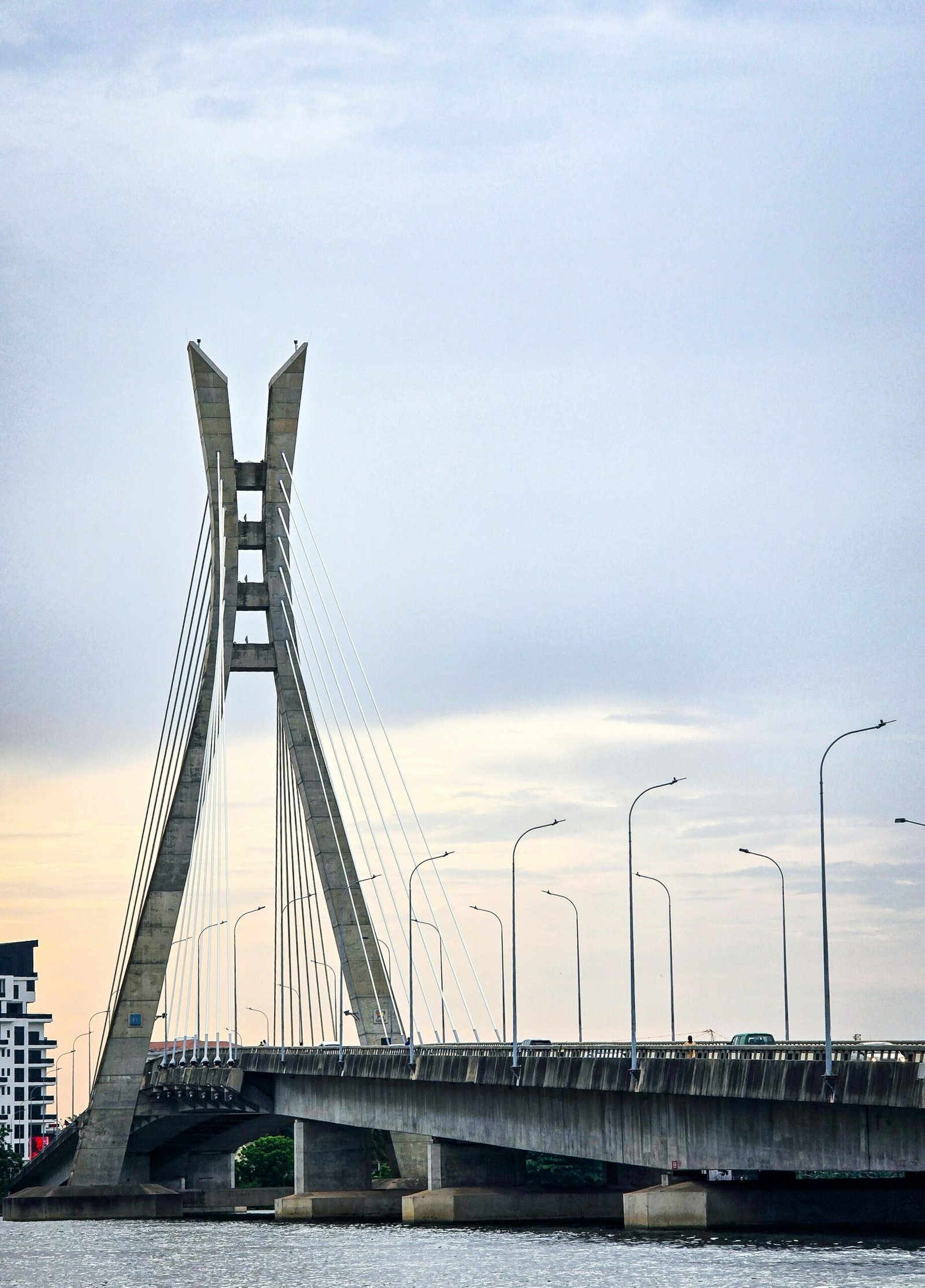
The future looks very uncertain for the families who just arrived back in West Africa.
Now that the public understands the deep reasons why migrants regret returning to Nigeria, it is clear that physical safety is only one part of the puzzle. Without quick economic assistance from local organizations and the state, the relief of escaping violence will completely fade, leaving hundreds of hardworking people stranded in the very poverty they tried so hard to escape.