Xenophobia in South Africa has forced hundreds of West African citizens to return home as more Nigerians flee South Africa ahead of the June 30 protest dates. On Wednesday night, a second emergency flight carrying over 60 evacuated citizens touched down at the Murtala Muhammed International Airport in Lagos.
The evacuation is part of an ongoing, voluntary repatriation program organized by the Nigerian government to protect its citizens from a massive wave of anti-immigrant demonstrations sweeping across South African provinces.
The Looming June 30 Deadline
The rush to leave follows a strict warning from South African anti-immigration groups, who have publicly declared a June 30 deadline for all undocumented migrants to leave the country. Local activist groups accuse foreign nationals of increasing local crime rates, taking jobs away from citizens, and putting too much pressure on public services.
While the South African government has condemned vigilante actions, the upcoming protests have created severe anxiety within migrant communities.
Kimiebi Ebienfa, a spokesperson for the Nigerian Ministry of Foreign Affairs, confirmed that while over 1,000 citizens have registered to flee, logistical issues are currently slowing down the flights. “We are working seriously to see that we move the most vulnerable back to Nigeria before that date,” Ebienfa stated.
President Ramaphosa Vows Stricter Border Control
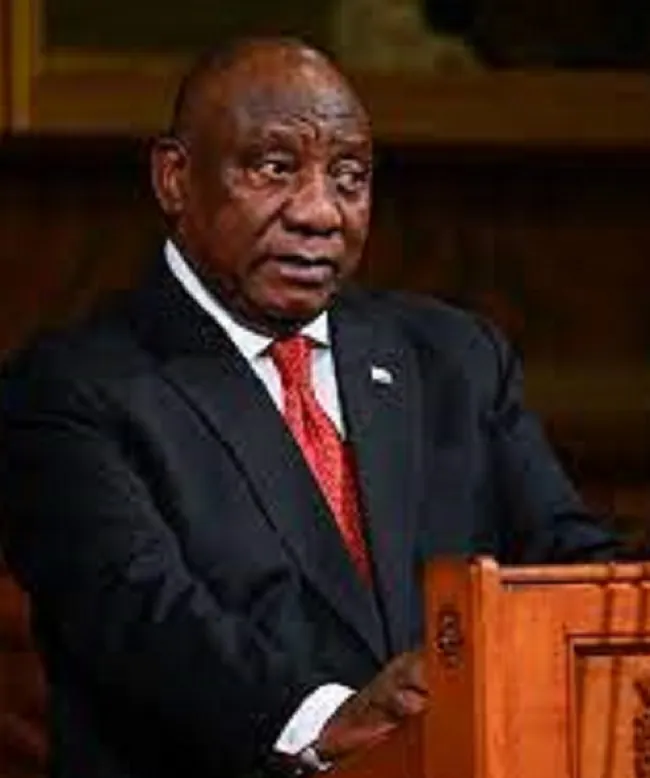
The growing unrest follows an official public address by South African President Cyril Ramaphosa, who explicitly rejected the idea that South Africa must tolerate illegal migration.
While Ramaphosa made it clear that undocumented immigration is not the sole cause of the country’s severe economic challenges, he promised that security forces would enforce stricter border control systems moving forward.
”We must end illegal migration, we must deal with the challenges. We reject the notion that we must tolerate illegal migration. We can enforce our laws, we can secure our communities,” President Ramaphosa stated.
My Opinion:
It is completely understandable why more Nigerians decided to flee South Africa ahead of the June 30 protest deadlines. When local activist groups set arbitrary deadlines for foreigners to clear out, it is not an invitation for a peaceful policy debate; it is a direct threat of violence. For ordinary shopkeepers, workers, and families living in known conflict hotspots, getting on an evacuation flight is the only logical way to stay alive.
While it is good that President Ramaphosa publicly condemned xenophobia, his speech tried to play both sides. By saying “we reject illegal migration” during a period of extreme civil unrest, he accidentally validated the anger of the mobs marching on the streets.
Furthermore, the Nigerian government’s slow, delayed response is deeply embarrassing. Leaving 700 registered citizens stranded in Johannesburg due to “logistical issues” less than a week before a massive anti-immigrant protest is completely unacceptable. If the Ministry of Foreign Affairs truly cares about protecting its people, it needs to get those planes in the air before June 30 arrives.
What Happens Next?
South African police forces have deployed extra officers and identified high-risk hotspots across multiple provinces to prevent violence on June 30. Authorities are strictly warning citizens that only official law enforcement agencies have the legal right to check a person’s immigration status or enforce national laws. Meanwhile, the Nigerian government is rushing to secure additional aircraft to bring the remaining 700 stranded citizens back to Lagos before the deadline expires.