
Rome’s airports will have to suspend the EU’s new digital border system for non-EU citizens to avoid a “disaster” during the peak tourism summer months, according to the head of the airports company.
Marco Troncone, chief executive of Aeroporti di Roma, which operates Fiumicino and the smaller Ciampino airport, said allowing passengers to skip the biometric entry-exit system was the only way of avoiding travel chaos over the summer. On a scale of one to 10, Troncone said his concern was now “eight or nine.”
“The process proves to be incompatible with the peak volumes that we are going to face,” he told the Financial Times. “So the only way is to open up the valve. There is no way that we can deliver 100% of the enrolment.”
The System’s Problems
The EU’s biometric Entry/Exit System was first introduced last October and fully rolled out in mid-April after delays. Non-EU citizens, including Britons, must have their fingerprints and facial images taken the first time they enter the EU. However, the system has been plagued by faulty technology, leading to long queues for passengers even before the peak summer travel period, with some people already missing flights.
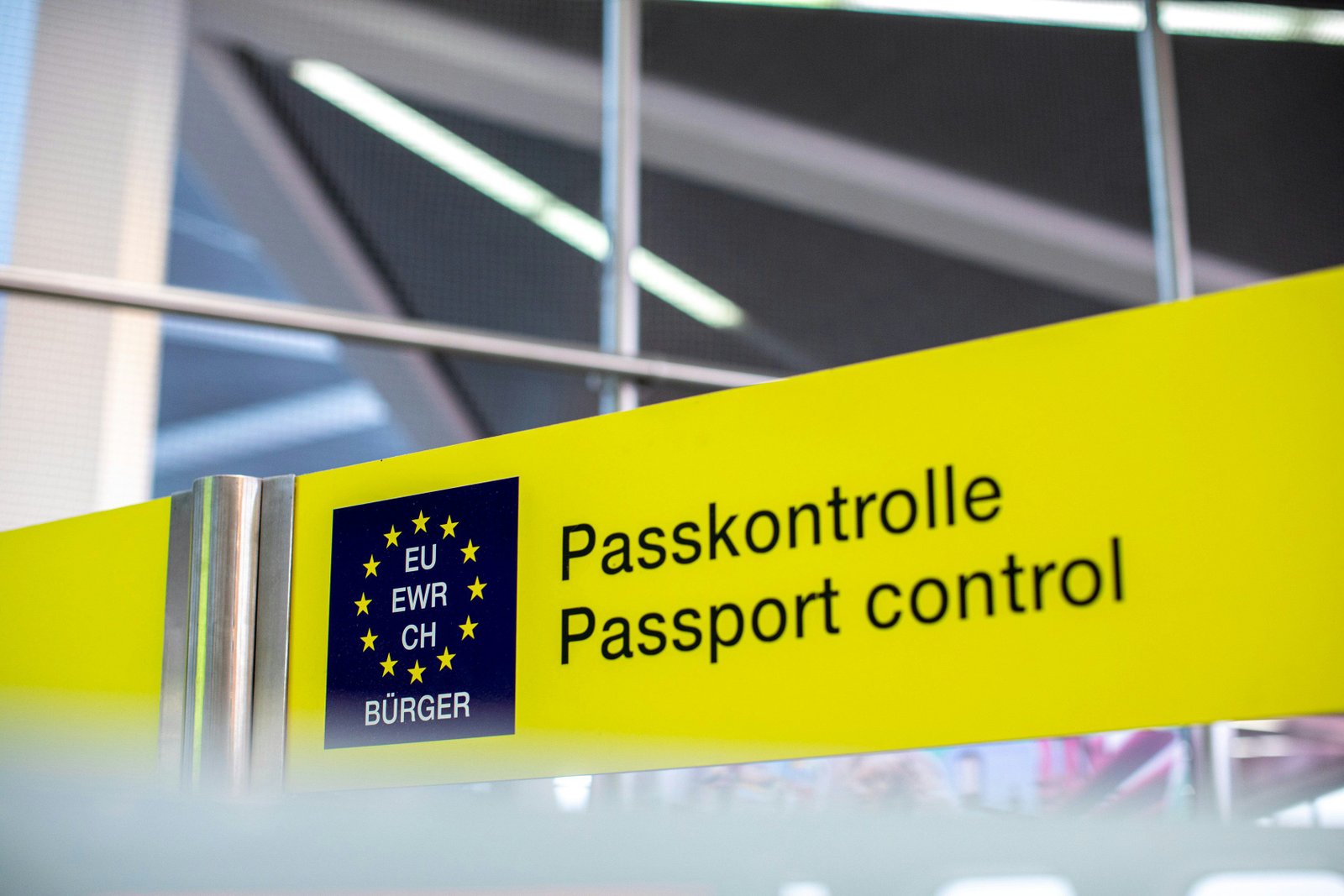
British travellers have faced huge delays in some countries, and French police temporarily suspended the extra checks at the port of Dover in May. Greece has scrapped a previous promise to spare UK travellers from biometric checks until September. Passengers who have passed through EES before — and should be able to skip the queues — are often forced to carry out the checks again.
Industry Warnings
Stefan Schulte, the president of ACI Europe, a European airports trade body, told the BBC that individual EU governments had to decide whether to suspend the system, not airports. He said politicians should “stop pretending … that EES is working just fine. It is not.”
The International Air Transport Association, an airline industry group, has said queueing times could reach six hours in some airports over the summer, and that waits of up to three-and-a-half hours had already been recorded during peak periods.
“Two months in, [the system] is producing long lines, missed flights, and growing alarm across the travel industry,” Iata said last week.
Uku Särekanno, the deputy executive director of the EU border agency Frontex, told an industry event in London this month that the situation might not “stabilise” for two years.
The Bottom Line
Rome’s airports are threatening to suspend the EU’s new biometric entry-exit system for non-EU citizens to avoid summer travel chaos. The system, which requires fingerprints and facial images from non-EU travellers, has been plagued by faulty technology and long queues, with some passengers already missing flights. The head of Rome’s airports said the process is “incompatible” with peak summer volumes. Industry groups have warned of six-hour queues, and the EU border agency has said the situation may not stabilise for two years.