
Picture this scene: You are standing in front of your wardrobe, two skirts in hand. One falls past your knees. The other grazes your ankles. Both look good on the hanger. But which one will actually look good on you?
The difference between a midi and a maxi skirt is not just a few inches of fabric, as you might think. It changes your entire silhouette and how people perceive you.
Here is how to choose correctly.
First, Know What You Are Dealing With
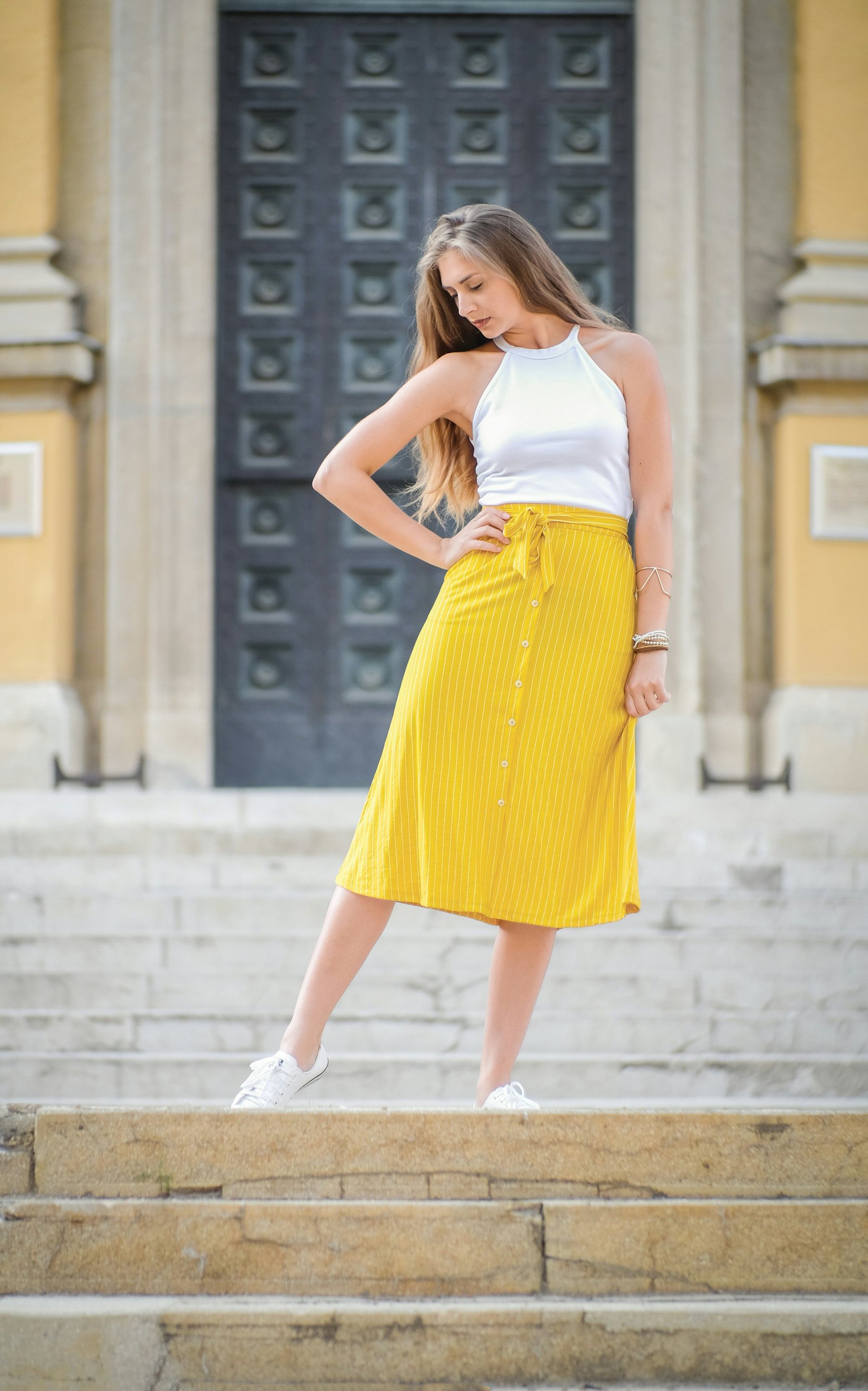
A midi skirt falls somewhere between your knee and your ankle, usually hitting right around mid-calf. It is the Goldilocks length—not too short, not too long. It gives you coverage without swallowing you whole.
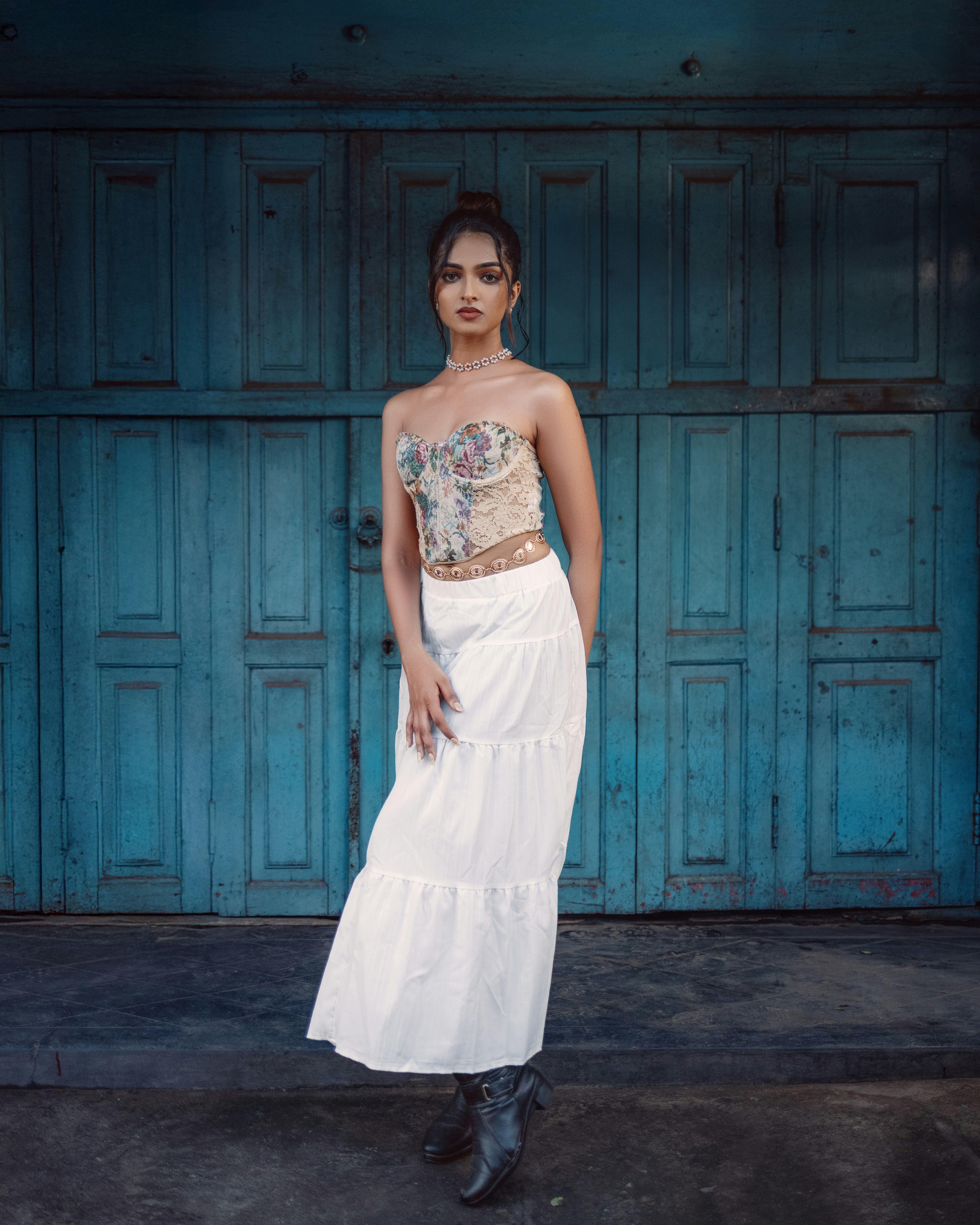
A maxi skirt reaches your ankle or the floor. Maxi is short for “maximum,” meaning maximum length and maximum coverage. This particular skirt is dramatic and flowy, hence, it announces your presence before you speak.
The vibe is different, too. Fashion psychologist Sarah Seung-McFarland, PhD, explains that maxi skirts “read as romantic or bohemian, and communicate a sense of comfort, movement, and drama for a slightly unconventional aesthetic”. Midi skirts? “More refined,” she says. “They strike a balance between practicality and polish”.
Consider the Occasion
Your intended venue decides a lot about which skirt you’d pick.
Midi skirts are your workhorses. They work for the office, meetings, church, brunch, and casual outings. They give you that “I have my life together” energy without trying too hard. Master stylist Aricia Symes calls them “the ultimate bridge piece because they can move from casual to dressy so well”.
Maxi skirts are for when you want to relax or make an entrance. They are perfect for beach days, weekend outings, travel, and days when you just want to feel comfortable. But do not count them out for formal events—a structured maxi in satin or silk can work for weddings and evening occasions.
Think About Your Height
If you are petite, you have probably been told to avoid maxi skirts. That is not entirely true. A midi skirt can be flattering because it shows your ankles, which makes you look taller. But a maxi can work too—just make sure it hits right at your ankle (not pooling on the floor) and has a fitted waist.
The rule for petites: high waist. Heels help. And if you love a maxi, get it tailored. Those few inches make a difference.
If you are tall, you have the easiest time. Both lengths work. Maxi skirts look especially great because the full length sits naturally on your frame. Midi skirts hit at a flattering spot on your calf and highlight your long legs.
Body Shape Matters, But Not How You Think
Different skirt lengths highlight different parts of your body.
Curvy and hourglass shapes: A high-waisted midi defines your waist and creates a balanced silhouette. A flowy maxi skims over your hips without clinging. The key is fabric—nothing too stiff, nothing too tight.
Pear shapes: Midi skirts work well because they skim over your hips. Pair with a fitted top to define your waist.
Apple shapes: Maxi skirts create a long, streamlined line that balances your proportions.
Athletic/straight figures: Both lengths give you room to play. Midi skirts with A-line cuts or wrap styles can create the illusion of curves. Maxi skirts with ruffles or tiers add visual interest.
The Shoe Factor
With a maxi skirt, the shoe should feel intentional but not overpowering. Flat sandals, sneakers, ankle boots, and low wedges all work. Since the skirt does most of the visual work, keep the shoes simple.
With a midi skirt, your shoes have more influence. Because the hem stops mid-leg, whatever you put on your feet changes the entire mood. Heels and wedges make it formal. Sneakers make it casual. Ankle boots give it an edge.
The Bottom Line
There is no wrong choice. It all depends on your day, your body, and your mood.
Midi gives you structure and polish. Maxi gives you ease and flow. Both have a place in your wardrobe.
Try both on. Walk around and see which one makes you feel like yourself. Whichever one does that is the right length.