

Close to one million bottles of medication used to treat heart and kidney conditions have been pulled from distribution across the United States after concerns emerged over possible contamination involving a foreign material, according to the U.S. Food and Drug Administration.
Amgen, based in California, initiated a voluntary recall of at least 944,142 bottles of Corlanor and Sensipar tablets after “unexpected foreign matter” was discovered in a retained sample taken from one of the affected batches, according to an alert issued by the California State Board of Pharmacy.
“The unexpected foreign matter was localized on the exterior tablet surface, over the coating,” the board said. “Therefore, as a precautionary measure, all lots within expiry that were processed in AML Building 23 packaging area, where the condition occurred, are being recalled.”
The board noted that safety evaluations concluded the issue is not expected to pose a clinical threat to patients and stated that “overall patient safety risk is low.”
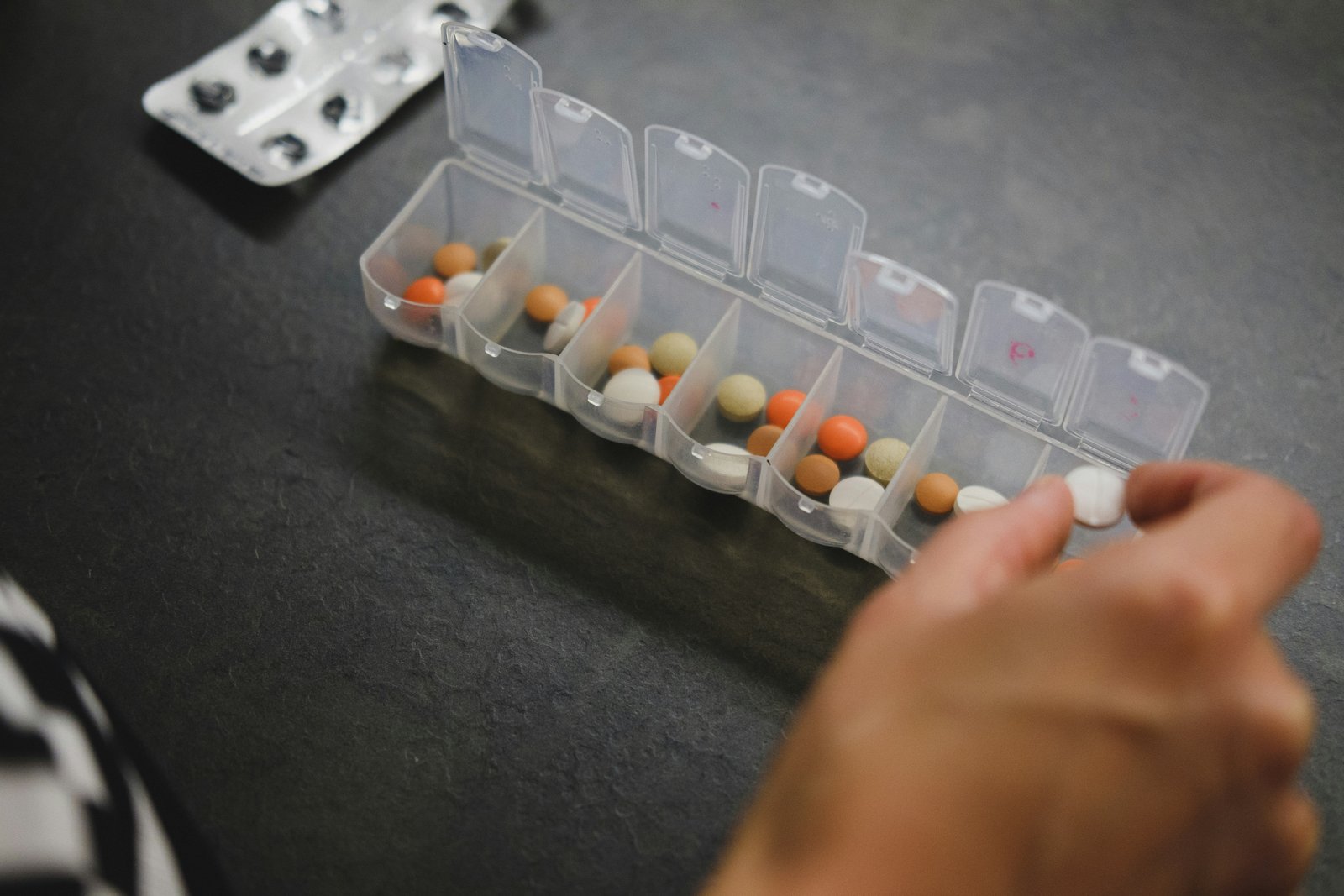
Corlanor, marketed under the generic name ivabradine, is commonly prescribed for people living with chronic heart failure, while Sensipar — also known as cinacalcet hydrochloride — is primarily used in the treatment of overactive parathyroid activity among patients with chronic kidney disease.
The affected tablets were supplied to the market over a period spanning from October 28, 2021, to December 30, 2025.
According to the board, the recall covers the following product presentations:
* Corlanor® (ivabradine) 5 mg — 60 tablets per bottle (NDC 55513-800-60)
* Corlanor® (ivabradine) 5 mg — 14 tablets per bottle (NDC 55513-800-99)
* Corlanor® (ivabradine) 5 mg — 60 tablets per bottle (NDC 55513-810-60)
* Sensipar® (cinacalcet hydrochloride) 30 mg — 30 tablets per bottle (NDC 55513-073-30)
* Sensipar® (cinacalcet hydrochloride) 60 mg — 30 tablets per bottle (NDC 55513-074-30)
* Sensipar® (cinacalcet hydrochloride) 90 mg — 30 tablets per bottle (NDC 55513-075-30)
The U.S. Food and Drug Administration classified the action as a Class II recall, a category used for products that may lead to temporary or medically reversible health effects, while the likelihood of serious health consequences is considered low.