New York City is currently locked in a fierce political fight after details emerged surrounding the Mamdani Marts public grocery plan, sparking heated arguments over government intervention in the free market. Mayor Zohran Mamdani wants to open five city-owned supermarkets to help residents deal with high food costs and grocery shortages in underserved neighborhoods. The proposed stores would offer discounted produce and meat by utilizing city-owned properties originally built during the New Deal era. However, critics from the business community quickly slammed the move, claiming that government-run stores undermine private enterprise and threaten the variety that American shoppers expect.
The Core Issues Behind the Mamdani
The plan to introduce city-backed food stores has reopened long-standing disputes about what local government should provide to its citizens. The proposal draws direct inspiration from Mayor Fiorello LaGuardia, who built city-run produce markets in the 1930s to lower food prices for working families. Under the current proposal, basic kitchen staples like fresh vegetables, dairy, and meat would be sold at up to 30% off standard retail prices.
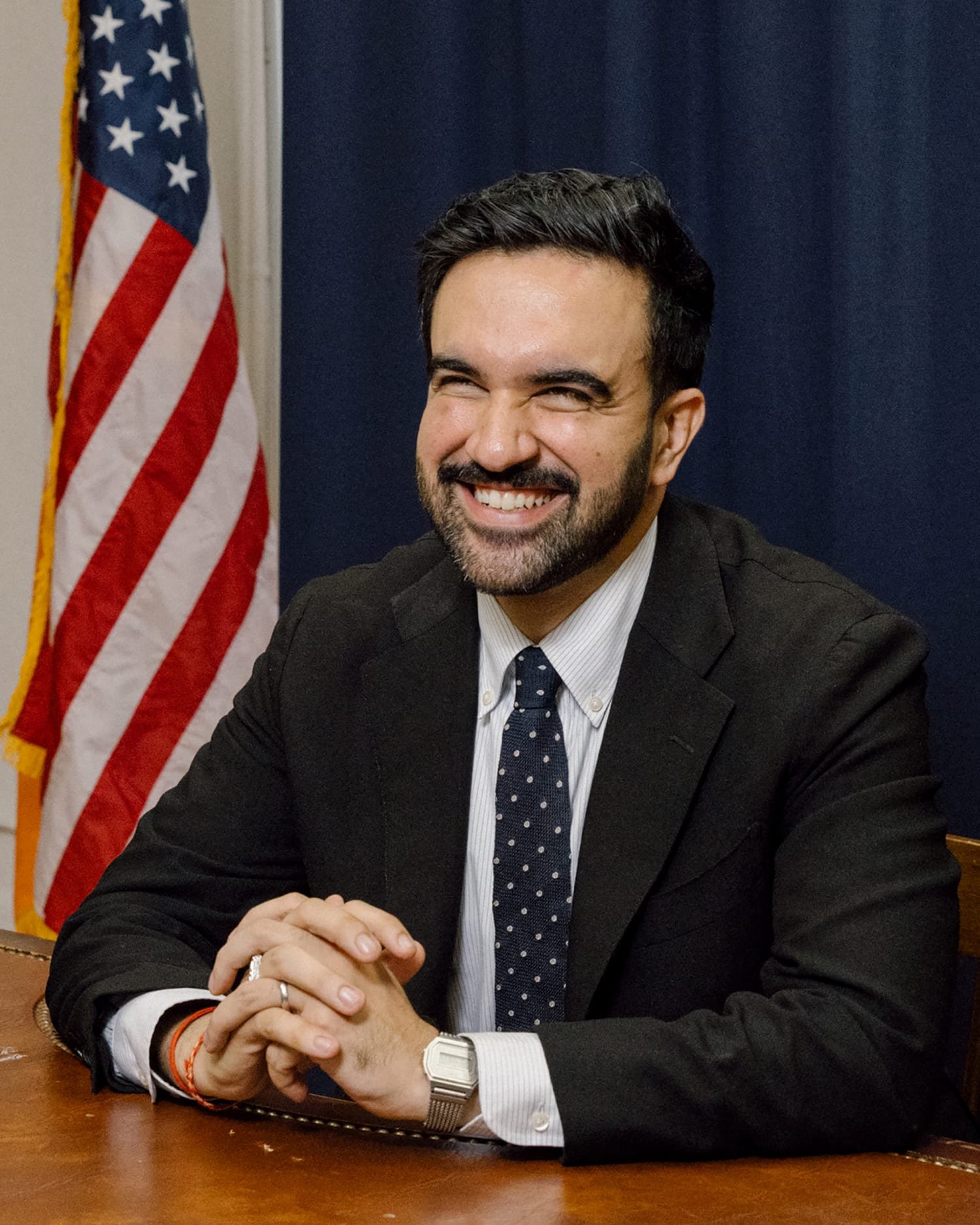
Despite claims of government takeover, the city plans to hire private operators to handle daily store operations and food sourcing. Free-market advocates argue that city hall should instead offer subsidies for private chains like Walmart or Costco rather than running public stores directly.
My Opinion
The dramatic outcry against opening a few government-supported grocery stores seems wildly blown out of proportion. For decades, major private supermarket chains have routinely pulled out of lower-income neighborhoods because the profit margins were not high enough for them. This creates food deserts where families have to buy expensive, low-quality food from corner bodegas or travel long distances just to get fresh vegetables.
If private companies refuse to serve these communities, local government has a clear duty to step in and fill the gap. Expecting corporate giants like Walmart or Costco to solve local food access issues has not worked for everyone, especially when those companies prefer building large stores in wealthy suburbs. Offering discounted, basic food staples through city-owned buildings is no different than providing public transportation, clean parks, or public libraries.
Many who compare five local grocery outlets to full-scale economic socialism are ignoring the reality on the ground. Wealthy neighborhoods will still have their high-end markets, specialized health stores, and corporate chains. Giving struggling families an affordable, public-backed option to buy bread, milk, and fresh fruit does not destroy capitalism. It simply ensures that basic human needs are met when the market falls short.
Bottom Line
The national conversation around the Mamdani Marts public grocery plan proves that food access remains a deeply political topic in America. Whether the five planned locations succeed or fail will depend entirely on how efficiently City Hall and its private management partners run day-to-day operations. If successful, New York City could create a practical blueprint for other major cities looking to fight high food prices and eliminate urban food deserts.