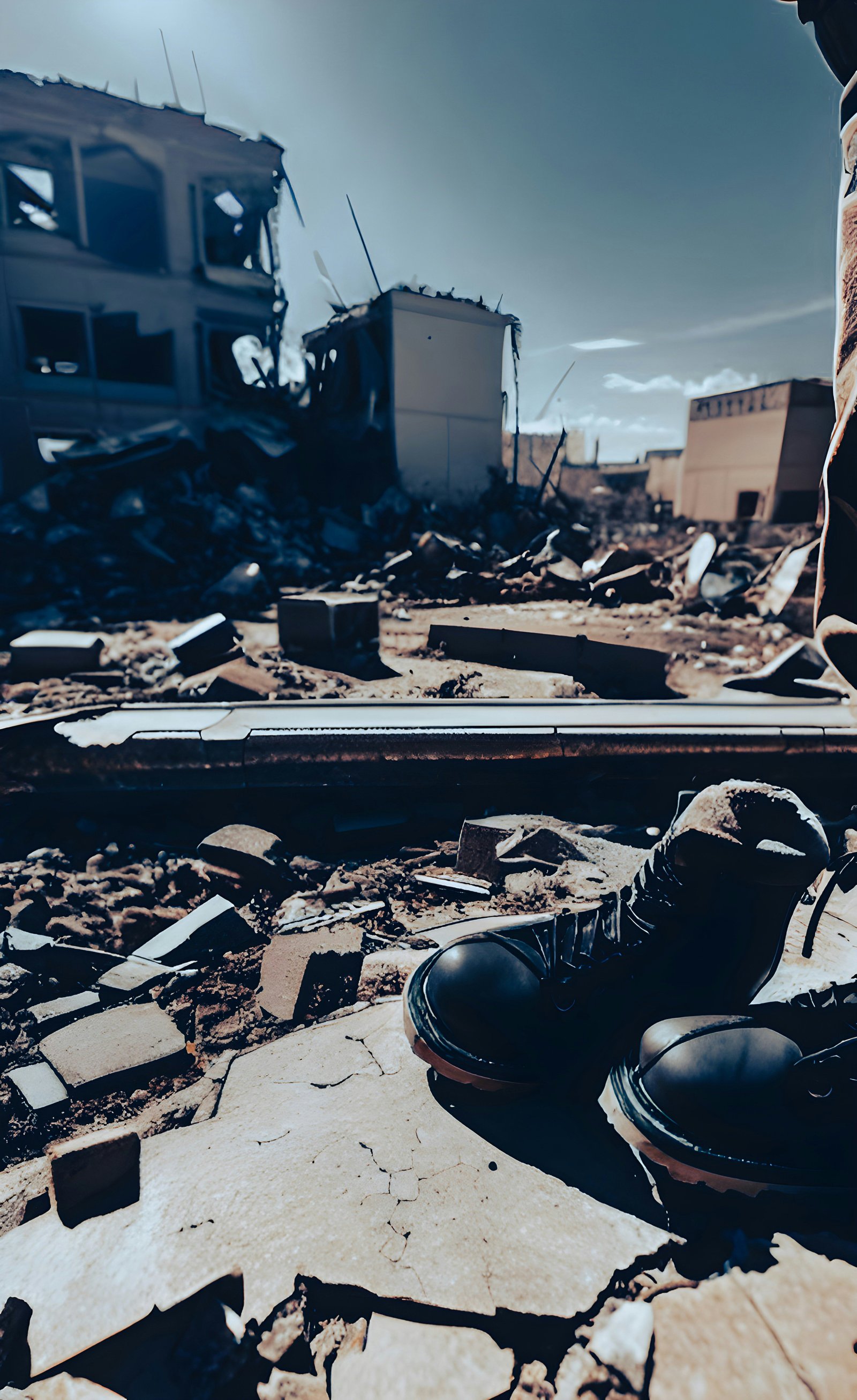

The sound of excavators tearing through broken concrete and mangled steel fills the air as rescue workers continue searching the debris.
“We are the rescue team. If you are alive, please make any noise,” rescuers repeatedly called out.
Nearby, a middle-aged man dressed in a blue shirt watched anxiously, refusing to give up hope that someone he knew from the sixth floor might still be found alive.
On the opposite side of the road from another collapsed building, Junior Laya and Jesus Gallardo sat under a shaded area, their clothes and faces covered in dust.
“I have family members missing … my brother and some cousins,” Gallardo said. “We don’t know anything about them. We’ve been looking for them for four days.”
It has now been four days since two powerful earthquakes struck, leaving sections of Venezuela devastated.
On Saturday, authorities reported that at least 1,430 people had lost their lives and nearly 3,500 others sustained injuries following the disaster. Officials warned that the numbers could rise as rescue and recovery operations continue. Thousands of people are still missing, while emergency teams race against time to locate survivors before chances become slimmer.
Emergency relief supplies for people affected by the earthquake have started arriving in Venezuela aboard cargo aircraft after authorities partially resumed operations at the main airport in the capital, Caracas, to accommodate humanitarian flights.
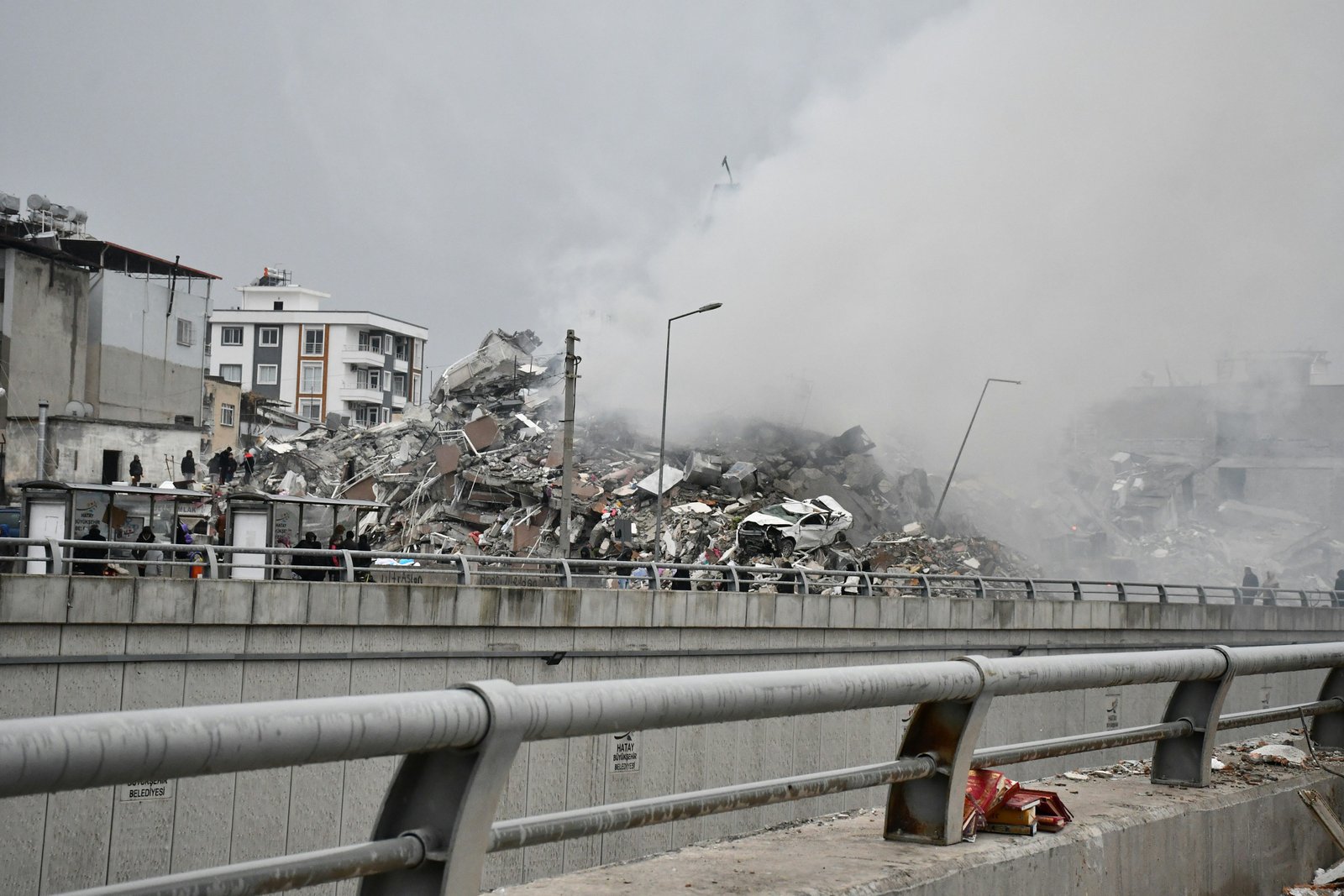
In La Guaira, the coastal state located north of Caracas and among the areas hardest hit because of its proximity to the earthquake’s epicentre, the scale of destruction is overwhelming.
Several buildings have collapsed completely, with their floors crushed down on top of one another like a collapsed stack of cards.
Groups of residents and volunteers continue searching through the debris using whatever tools are available — mostly small shovels and their own hands. They believe someone may still be trapped beneath the wreckage, although there is no confirmation of whether the person is alive, deceased, or even their identity. Only a pair of feet can be seen beneath the collapsed structure.
People remain gathered near damaged buildings, waiting anxiously for updates on anyone who may still be rescued from beneath the debris.
Among them is Andrea Peña, a 34-year-old resident of La Guaira whose apartment building was destroyed.
Sheltering beneath a tent close to the remains of the collapsed seven-storey structure, she keeps watch over shovels and hand saws, ready to hand them over whenever rescue workers call for additional equipment.
“My dad and my nephew are trapped there, she says. The day the earthquake hit was a holiday in Venezuela, so she was out in the street celebrating. That’s how she survived.
“My nephew was sleeping and my dad was watching the World Cup,” she says.
Scenes like these have become common across La Guaira state, where displaced residents wander through the streets after losing their homes, facing uncertainty about where to go and what comes next.
Damage is visible across almost every building in the area. Some structures have developed wide cracks running through their walls, while others tilt at alarming angles, resembling vessels slowly sinking.
Some high-rise buildings are still upright but have been stripped of entire exterior walls, revealing rooms where everyday life seems abruptly paused — children’s bedrooms with Mickey Mouse bedding still neatly arranged and teddy bears left untouched.
Rescue experts say the first 72 hours are critical for locating survivors, as the likelihood of finding people alive drops sharply after that period. That crucial window is now drawing to a close.
Venezuela has already been grappling with a prolonged crisis lasting over a decade, marked by economic collapse, weakened public institutions, and a struggling healthcare system, alongside the departure of millions of citizens in recent years.
This latest disaster has further intensified those challenges, deepening pressure on an already strained system and prompting concerns about the government’s ability to effectively respond to an emergency of this magnitude.