
Sergei Kravtsov announced that beginning September 1, half of the curriculum for the course “Fundamentals of Homeland Security and Defense” will focus on military training.
Kravtsov said the adjustment marks an increase from the previous allocation of 20% of the course content for military instruction. The updated programme will also introduce lessons on uncrewed aerial vehicles (UAVs), commonly known as drones, alongside practical field training exercises.
The course runs for a total of 34 instructional hours each academic year, meaning Kravtsov’s new directive would allocate at least 17 of those hours specifically to basic military instruction.
Although the curriculum includes topics such as Russian military history, civic responsibility and survival during wartime, older students are also introduced to practical military-related skills, including first aid, introductory firearm training and instruction on handling hand grenades.
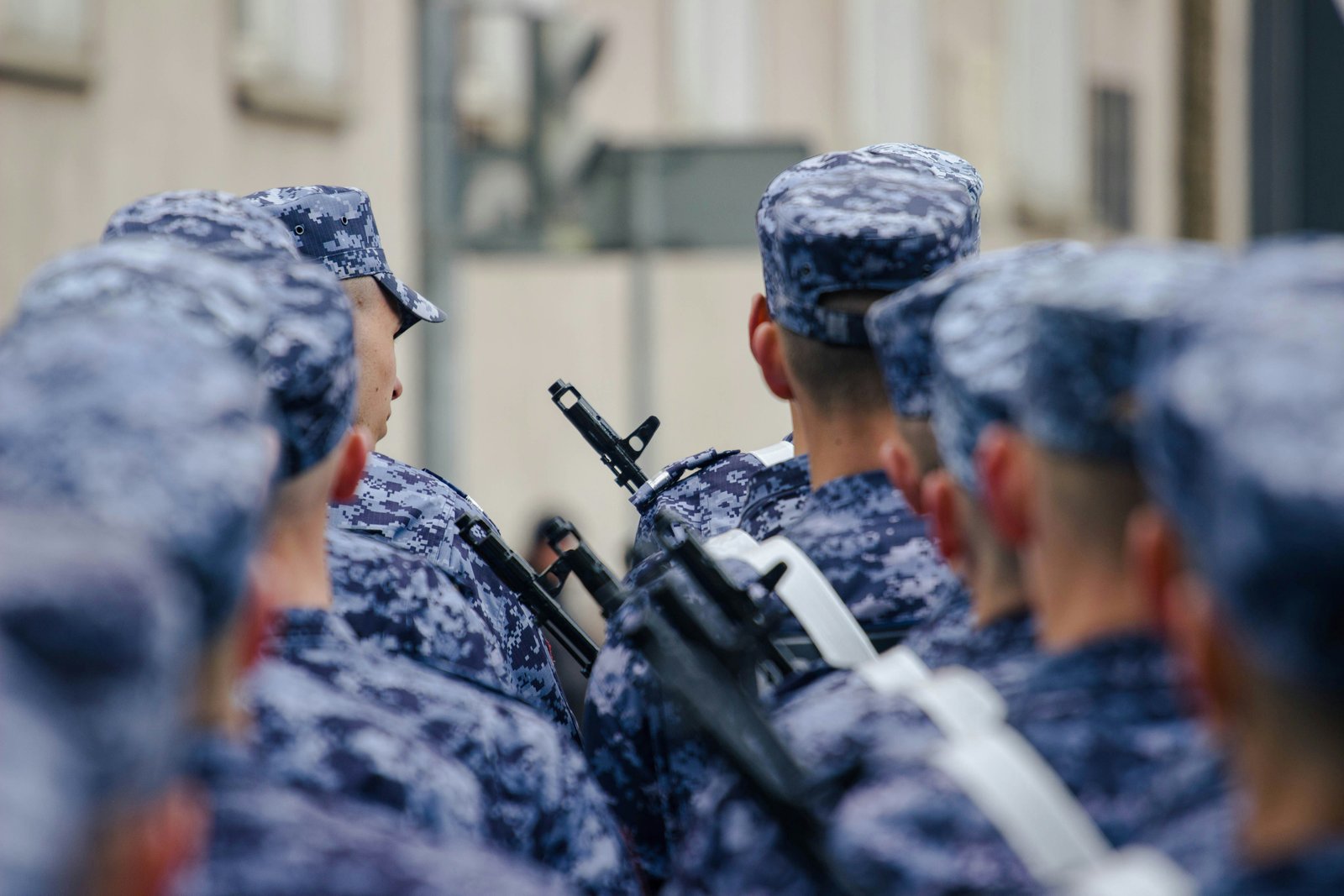
The updated lessons draw inspiration from the Soviet-era Initial Military Training programme, which was once compulsory for senior secondary students and featured military drills, first aid instruction, rifle practice and field camp exercises. The subject was scrapped in 1993, but parts of it were brought back by Moscow after Russia launched its full-scale invasion of Ukraine in 2022.
According to independent Russian media outlet Vertska, the recent expansion of military-focused education has been accompanied by legal action, with prosecutors reportedly filing more than 200 lawsuits against schools in 2024 over their failure to provide required military training infrastructure, including facilities such as shooting ranges.
Russian authorities are also considering broader expansion of military instruction in schools. In April, officials discussed restoring Initial Military Training as a standalone programme, with a proposed 64-hour curriculum centred on discipline, combat preparation and survival techniques.
No final approval has been announced yet. However, Russian business newspaper Kommersant reported that officials were considering launching a pilot version of the revised programme in September for students in grades 9 to 11 across 10 regions, including occupied Crimea.
The changes form part of a broader effort by Russia to expand military education, coming at a time of rising friction between Russia and NATO. Earlier this month, leaders including Keir Starmer and Mark Rutte warned that Russia could be in a position to launch a large-scale military challenge against Europe before the end of the decade.
Supporters of expanding military education in Russia have pointed to those warnings as further justification for increasing defence preparedness programmes among school-aged children.
Viktor Vodolatsky, First Deputy Chairman of the State Duma Committee on CIS Affairs, reportedly told local media on June 22 that recent statements from NATO leaders reinforce the need for students to begin receiving military-related instruction from the period after fifth grade onward.
“Russian children should be prepared for war with NATO and the European Union immediately after primary school,” said Vodolatsky.