Lawmakers overwhelmingly passed a resolution requiring the disclosure of confidential sexual harassment settlement records involving members of Congress.
Republican Representative Thomas Massie compelled the vote, arguing that the documents and information previously provided to lawmakers were inadequate. The resolution was approved by a vote of 420, while one Republican lawmaker voted “present.”
The Republican-backed measure represents the latest move by lawmakers to address growing calls for greater accountability and transparency over sexual misconduct on Capitol Hill, an effort that has received bipartisan support.
Earlier this year, the Office of Congressional Workplace Rights was ordered to submit settlement records to Congress after receiving a subpoena from Republican Representative Nancy Mace. Mace, the only lawmaker who voted “present” on the resolution, told CNN that the measure aligned with the efforts she had already undertaken.
“I already did this,” Mace said. “I subpoenaed the files in oversight in March and released them in May. It’s already been done.”
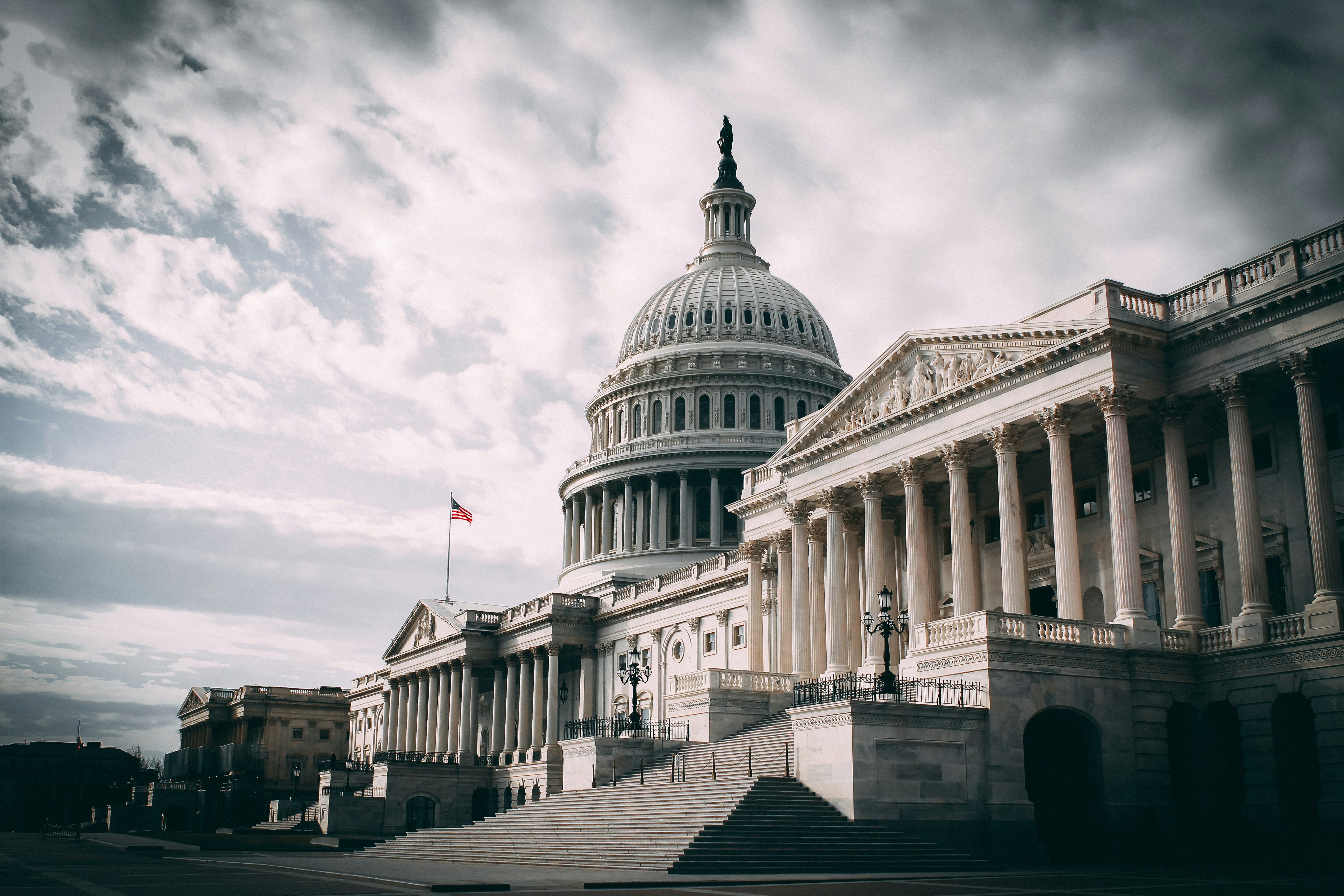
Although the documents revealed that taxpayers had spent more than half a million dollars on confidential sexual harassment settlements involving Congress over several decades, Massie argued that the office still has additional information that should be made public.
“I just feel like there’s something missing,” Massie said ahead of the vote, adding that he wants the office to clarify whether there are more records that can be turned over. The resolution from the GOP lawmaker calls for both that office and the House Ethics Committee to turn over information.
“If somebody thinks what I’m doing is redundant, then it’s an easy yes vote,” Massie told CNN.
According to a letter previously obtained by CNN, the Office of Congressional Workplace Rights approved 349 awards or settlements between January 1, 1996, and December 12, 2018, to resolve complaints filed against legislative branch offices. The letter, sent by the office’s general counsel to House Oversight Committee Chairman James Comer, stated that 80 of those cases involved settlements by House or Senate offices for various complaints, with seven resulting in payments related to allegations of sexual harassment.
The settlements outlined in the letter were funded with public money drawn from a Treasury account that has since been discontinued for congressional use.
After reforms were introduced in 2018 in response to the #MeToo movement, lawmakers were no longer permitted to use taxpayer funds to pay sexual harassment settlements.
In a recent statement, the House Ethics Committee said it has not received notification of any awards or settlements involving allegations of sexual harassment against a member of Congress since the new law took effect.