Despite commanding a baseline budget that borders on a lot of money, the U.S is facing an unprecedented fiscal crisis that threatens ongoing operations in the Middle East. The reality is becoming clear that the Pentagon has run out of money due to the Iran War.
A Trillion-Dollar Budget Running Dry
According to multiple U.S. (United States) defense officials, outside experts, and congressional staff members, the DOD (Department of Defense) is rapidly burning through its remaining cash reserves. The financial squeeze comes despite the fact that Congress originally funded the military with a baseline budget of nearly one trillion dollars for the fiscal year.
The relentless tempo of the conflict has forced defense officials to formally request an additional $67 billion in emergency supplemental funding to keep pace with operational demands.
Transparency Frustrations Stall Capitol Hill Funding
The primary roadblock preventing the immediate release of the emergency cash is a bipartisan frustration inside Congress. Lawmakers from both parties are increasingly reluctant to sign a blank check for military operations without receiving clearer answers from top brass.
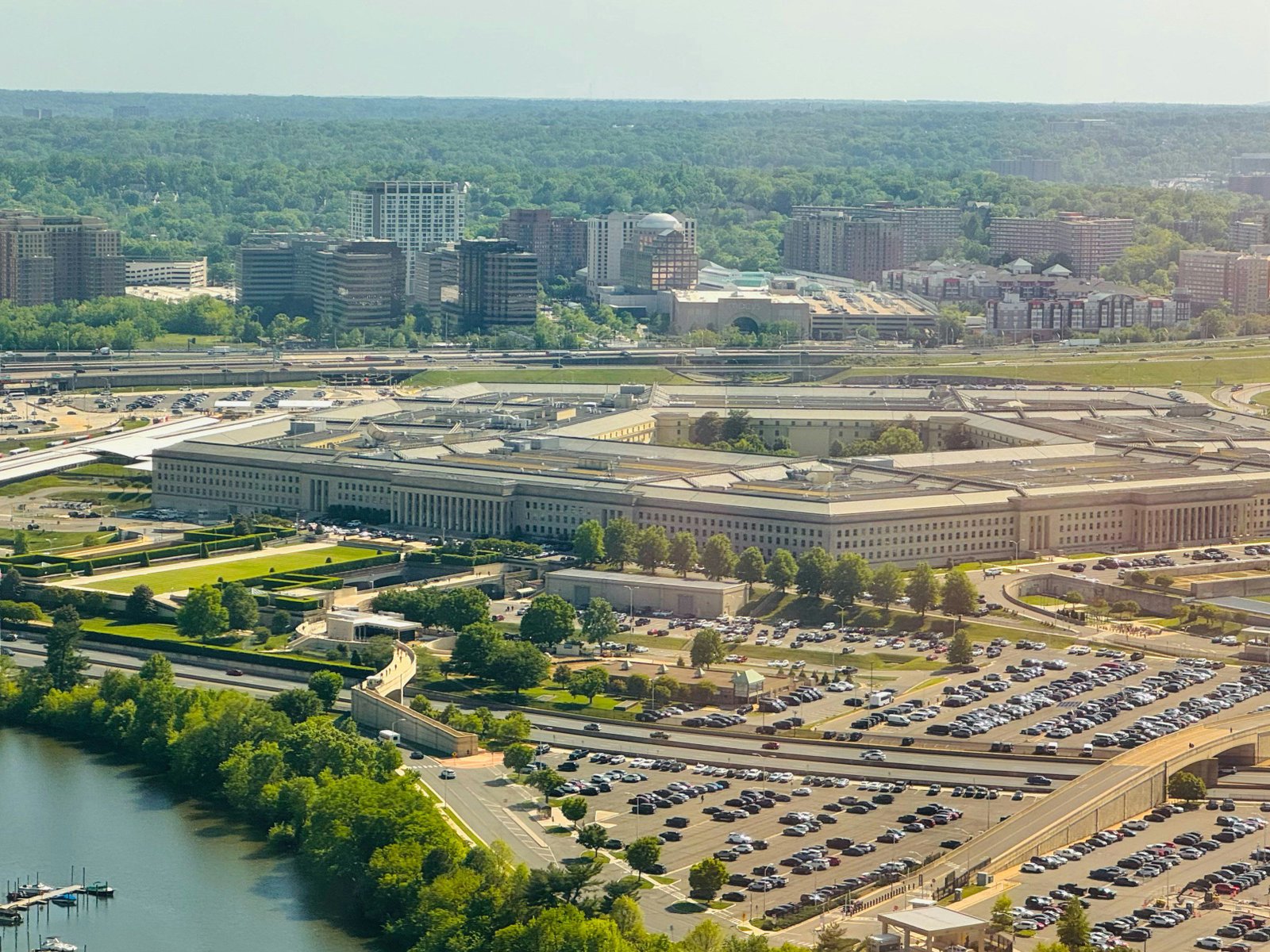
Congressional intelligence and defense committees are pushing back against what they characterize as a lack of timely, detailed information regarding the strategic goals of the war. Members of Congress are demanding a strict accounting of how the initial trillion-dollar allocation was exhausted so rapidly before authorizing tens of billions more.
Emerging factions within the legislature are hesitant to approve massive funding packages without a transparent, long-term roadmap for de-escalation.
My Opinion
It takes a truly profound level of institutional mismanagement to burn through nearly a trillion dollars and then immediately show up at the taxpayer’s doorstep begging for another $67 billion. For decades, the military-industrial complex has operated under the assumption that it can hide behind the banner of national security to avoid basic financial accountability.
Congress is entirely justified in putting its foot down here. Demanding transparent data on how a war is being conducted and how money is being spent isn’t “obstructing the mission”; it is the fundamental constitutional duty of the legislative branch. If the Pentagon cannot manage a trillion-dollar budget without running out of cash in a matter of months, the problem isn’t a lack of funding; it is a broken systemic culture that prioritizes endless defense contracts over strategic realism. Turning over billions more without demanding radical transparency would be an absolute betrayal of public trust.
Bottom Line
With military deployments ongoing and naval assets remaining heavily engaged in hostile waters, the DOD is facing a dangerous race against the clock. If a compromise regarding transparency isn’t hammered out between defense leaders and skeptical lawmakers within the coming weeks, the funding shortfall could begin to impact basic readiness and supply lines. The unfolding crisis demonstrates that even the wealthiest military power on Earth has fiscal boundaries, and the reality of the Pentagon running out of money shows the devastating, unsustainable cost of unchecked global conflict.