
In 2016, Kylie Jenner was a teenager experimenting with blue hair, Tumblr aesthetics, and a persona that would define internet culture for a generation. The “King Kylie” era was raw, chaotic, and undeniably cool. It was a moment when she carved her own lane by posting aspirational content, years before monetisation was the point, and every selfie had a product attached.
Ten years later, King Kylie is back. Again.
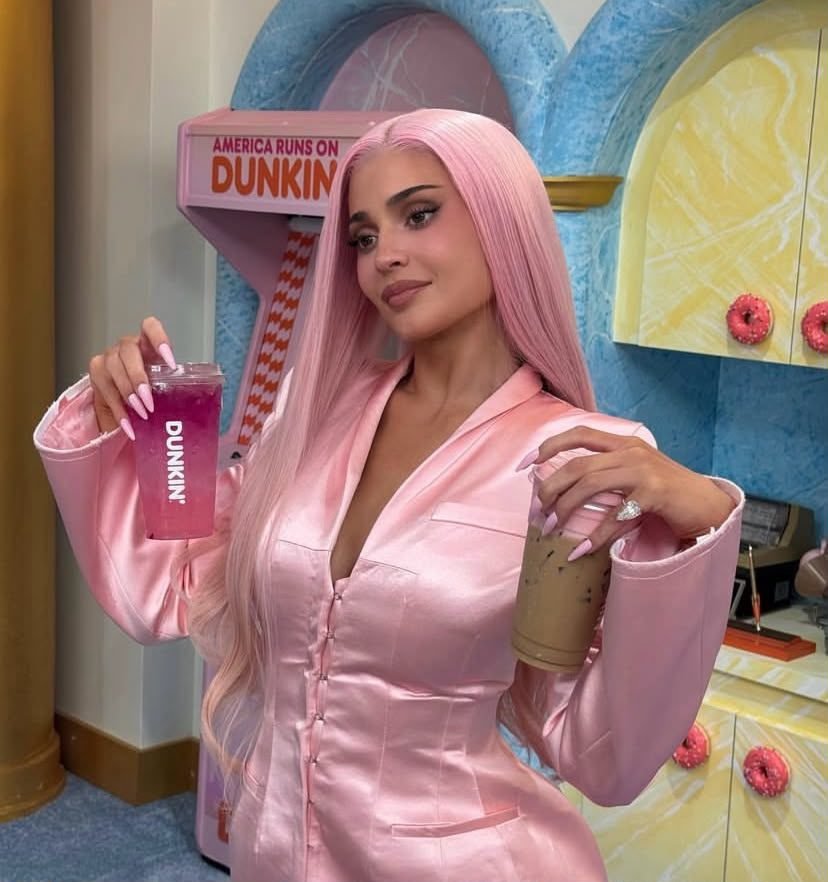
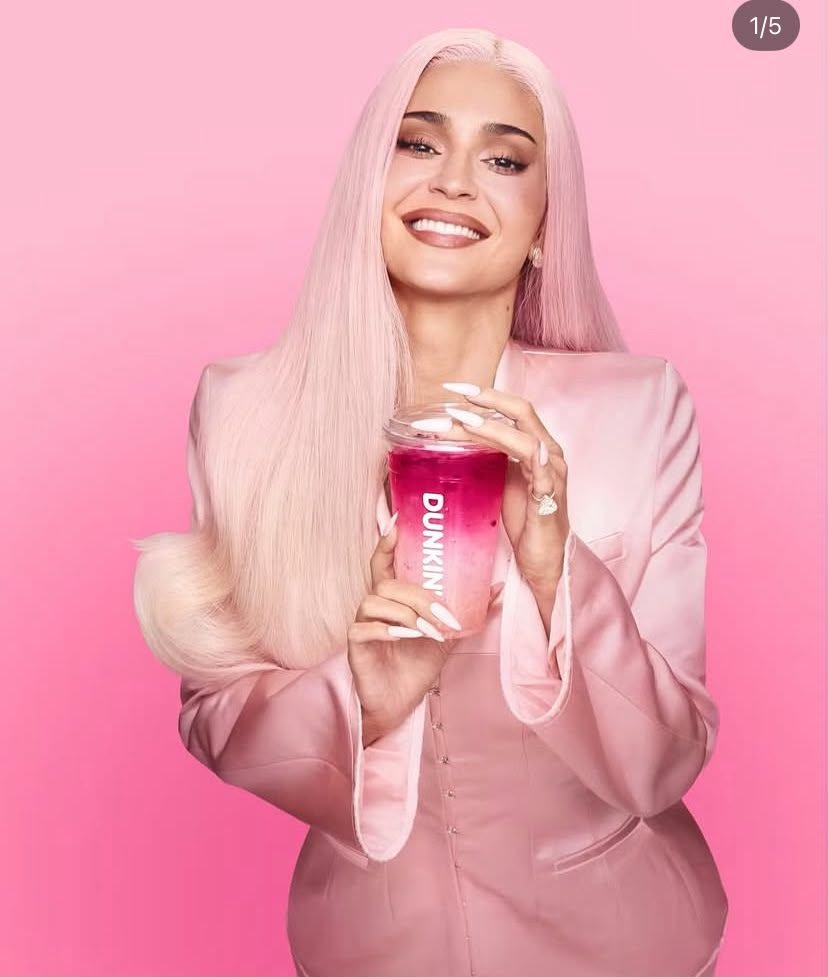
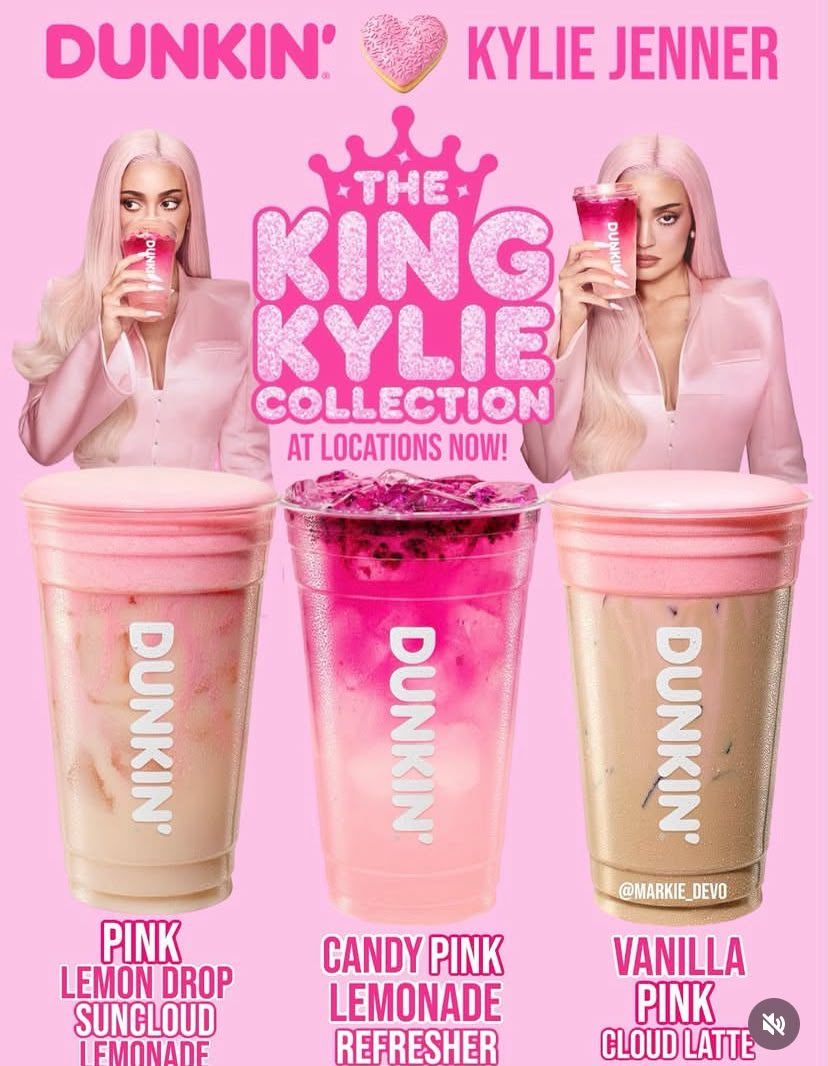
On July 8, Dunkin’ launched the King Kylie Collection, a trio of pink-hued summer drinks inspired by the vibrant wigs and Snapchat filters that defined Jenner’s teenage years. The campaign features Jenner in a bubblegum pink wig and matching suit, leading a boardroom meeting where she counters corporate jargon with buzzwords like “cold foam” and “creamy.” It’s playful, self-aware, and undeniably nostalgic.
But it also raises an uncomfortable question: when does nostalgia become a trap?
The Comfort of the Familiar
Jenner is not the first celebrity to mine her own past for commercial gain. Y2K fashion is everywhere. Early Instagram filters are back. And now, Kylie is reviving a persona she first inhabited when Barack Obama was still president.
“People just love it every time I go for it and put on a pink wig,” she told Nylon. “I think stepping back into the King Kylie energy and making it feel new again is always really special”.
It is special—in the way that reheated nachos are special. Familiar. Comforting. But never quite as good as the first time.
The Cynical Calculus of Nostalgia
The Dunkin’ campaign is not the first King Kylie revival. In October 2025, Jenner relaunched her classic lip kits under the same moniker and released a song with Terror Jr called “Fourth Strike”. The strategy is obvious: nostalgia sells. And in Jenner’s case, it sells exceptionally well.
“I can’t believe it’s been 10 years since King Kylie started,” she told Nylon. “The era means so much to me and my fans”.
But here’s the thing: Jenner is 28 now. She’s a mother of two and runs a billion-dollar cosmetics empire. The “King Kylie” persona belonged to a teenager experimenting with identity. Holding onto it feels less like an homage and more like a refusal to evolve.
The “Reheated Nachos” Problem
As Moises Mendez II wrote in Out Magazine, “King Kylie reboot era feels like Freakier Friday, an obvious marketing move based on nostalgia to push a product and increase profits”. The critique is sharp but fair: when you reheat the same nachos, they go stale. The original King Kylie era worked because it felt authentic. We saw a young woman figuring out who she was in real time. The 2026 version, however, feels manufactured, like a costume worn by a billionaire to sell us sugar water.
And it’s not just a matter of taste. The use of the King Kylie persona in 2025 for the lip kit relaunch sparked debate, with some critics accusing Jenner of appropriating Black culture. One user on X wrote: “The reason she can’t reheat these nachos correctly is that the King Kylie era was heavily associated with Blackness and Black Culture. King Kylie was an alter ego borderline. Ghetto-colored wigs, long nails, rappers, nightlife, she was fun. Being Black is fun”.
What Are We Holding Onto?
Perhaps the most revealing part of the Dunkin’ campaign is the boardroom setting itself. Jenner stands at the head of a table, surrounded by corporate suits, and declares the King Kylie Collection a success. The ad is meant to be cheeky: King Kylie conquering corporate America. But it also reveals the tension at the heart of her brand: she is no longer the rebellious teen rejecting the system; she is the system.
The King Kylie persona was once about freedom and self-expression. Now it’s a marketing tool, wheeled out every few years to boost sales. And as long as fans keep buying, she will keep reheating those nachos. But at some point, the question stops being “Will King Kylie ever truly die?” and starts being “Why do we keep asking her to bring it back?”
The Bottom Line
Kylie Jenner’s Dunkin’ campaign is a masterclass in modern celebrity marketing. It is also a symptom of a culture that has stopped moving forward. When a 28-year-old woman is still mining her teenage years for content, it’s not just her own creativity that’s stalled. It’s ours.
We remember King Kylie fondly because she represented a time when the internet felt smaller, more fun, more real. But that time is gone. And no amount of pink cold foam can bring it back.