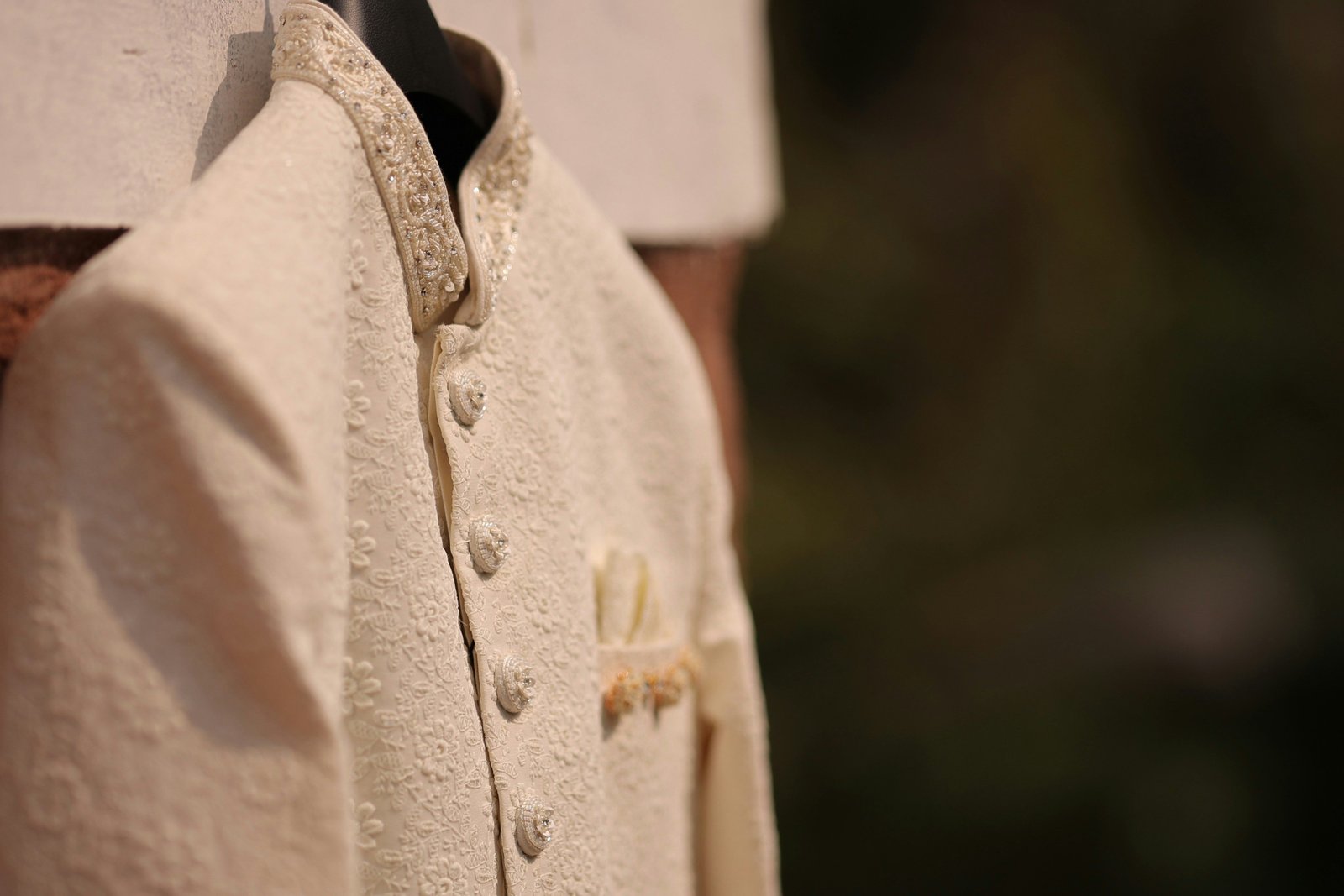

Walk into any Zara in Manhattan or LA this summer, and you will find these items: the ‘Mandarin jacket’, Frog buttons, and High collars. They are hanging next to Western silhouettes, priced at $149, and selling fast.
The aesthetic, dubbed “Neo-Chinese Style” on social media, has been declared a major 2026 fashion craze on TikTok and Instagram among Gen Z and other age groups. On platforms like Xiaohongshu, the hashtag xinzhongshi has been flooded with posts.
But not everyone is happy about this. Some see it as a harmless trend. Others see it as cultural appropriation, repackaged for Western wallets.
“These jackets are clearly Asian-inspired,” Desiree Jones, 55, from New York, told China Daily while shopping at a Zara in Manhattan. “I gravitate to that. It’s fire. It pulls you in. It’s the button placement and the structure of the jacket and the collar. That’s where you really see that Asian cut.”
Monica, 30, from Ecuador, was browsing the racks of a Zara in Brooklyn when one of the black Mandarin-style jackets caught her eye. “I love this style,” she said while trying it on. “I think of pretty Chinese models when I see this jacket. I want to look like that. I like the buttons, color, everything really. It’s got a real Chinese vibe to it. It’s very cool. I’ll style it with light-colored jeans”.
The Anatomy of a Trend
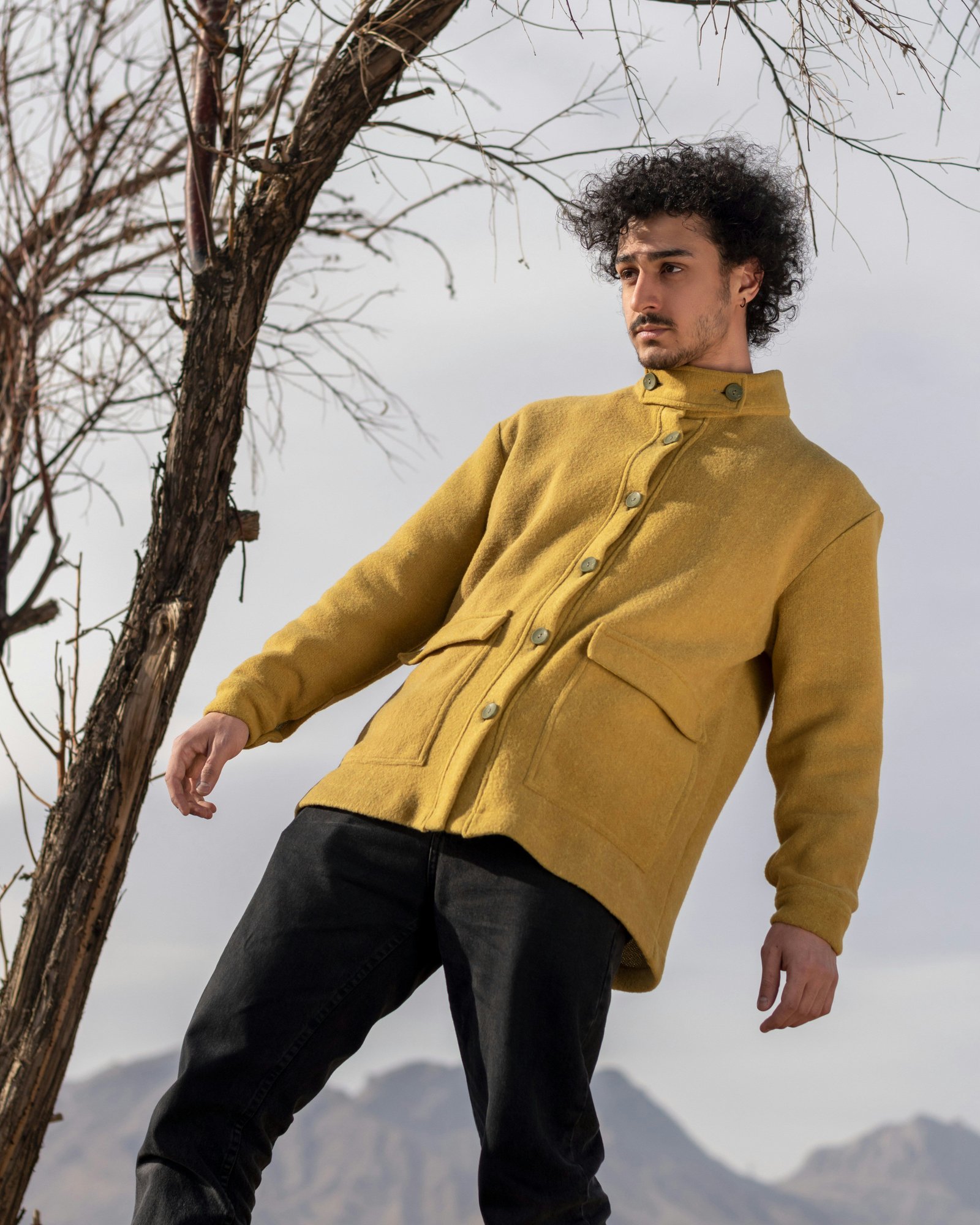
The “Neo-Chinese Style” is not new in China. It emerged at the start of the 21st century, gained momentum around 2015, and has been on an upward trend since 2021. Compared with traditional clothing, which is often formal and ornate, the style emphasizes simplicity and practicality for everyday wear.
The most viral iteration this year has been the Adidas Chinese Track Top. Priced at around $146, the faux-suede jacket with frog buttons became an instant hit during its exclusive release in China in 2025. By the 2026 Spring Festival, it had sold out in major Chinese cities.
One viral TikTok video titled “POV: your dad just came back from China” showed a man distributing the jackets in a range of colors to his family. It garnered over 9.5 million views. Fashion-forward brands like Ralph Lauren, Kenzo, and Lemarie have since rushed to incorporate similar frog-button designs in their Fall/Winter 2026 shows.
The jacket found a wider audience online because it embodies a contemporary condition: culture as stratification. A garment bringing together different genealogies, designed by creatives whose trajectories are not exclusively Chinese, and made desirable by both Chinese and Western platforms.
The Controversy: Appreciation or Appropriation?
But the trend has not come without its critics.
Vanessa Li, a 26-year-old Chinese Australian content creator, made a TikTok video with the opening words “my culture is not a trend”. Her video has been liked over 71,100 times. She dislikes that tangzhuang is now predominantly known in the West as a Mandarin jacket. She sees countless fashion brands selling the style but not acknowledging the culture it’s from.
“While appreciation is welcome, she does not want to see brands profiting from other cultures without crediting their origins, or real names. That’s not appreciation, that’s appropriation”.
The naming debate goes even deeper.
Even the term “Mandarin jacket” itself is problematic for some. Mandarin does not come from China. The term is the product of a long chain of translations and exchanges: from the Sanskrit mantrī (counselor), to the Malay menteri, and finally to the Portuguese mandarim, used by European merchants in the sixteenth century to refer to Chinese imperial officials.
Meanwhile, “Tang jacket” has its own complicated history. The use of “Tang” as a synonym for “Chinese” did not originate in China. It took shape in late nineteenth-century California, within Cantonese and Hokkien communities who had migrated to San Francisco. Rejecting the label “Qing,” the name of a dynasty perceived as oppressive, these communities looked instead to the Tang dynasty, regarded as a golden age, calling themselves Tangren, renaming Chinatowns Tangrenjie, and defining their clothing as Tangzhuang. More than an ancient legacy, then, the “Tang jacket” is the result of a diasporic strategy, born to assert dignity and cultural continuity in a hostile context.
The Expert Take: A Shift in the Global Landscape
Yang Jie, an associate professor at the Beijing Institute of Fashion Technology, views the trend differently. He recalls a story from years ago when an Italian friend, after visiting the Longmen Grottoes in Luoyang, asked where he could buy a Chinese coat featuring frog buttons. For Yang, the popularity of the Adidas jacket stems from its incorporation of one of the most recognizable Chinese cultural symbols.
Over the past decades, Western luxury brands have long incorporated these elements. In 1993, John Galliano introduced qipao-style clothing inspired by Chinese-American star Anna May Wong. At the Dior Fall/Winter 1997 Haute Couture show, he drew inspiration from 1930s Chinese poster girls. Jean Paul Gaultier, Prada, and Armani have also featured Mandarin collars, asymmetrical closures, or both, in their collections.
Compared with luxury brands, Adidas’ jacket reaches a wider audience. And unlike “Chinoiserie,” which is based on the West’s perception of China, the “New Chinese Style” signifies a shift in mindset among Chinese people. They are moving from being seen merely as subjects of aesthetic appreciation to becoming creators of their own aesthetic.
“It’s not simply a fashion trend,” Yang said. “It speaks to shifts in the global landscape. As China’s influence continues to grow, Chinese culture is becoming more visible and recognized around the world.”
The Takeaway
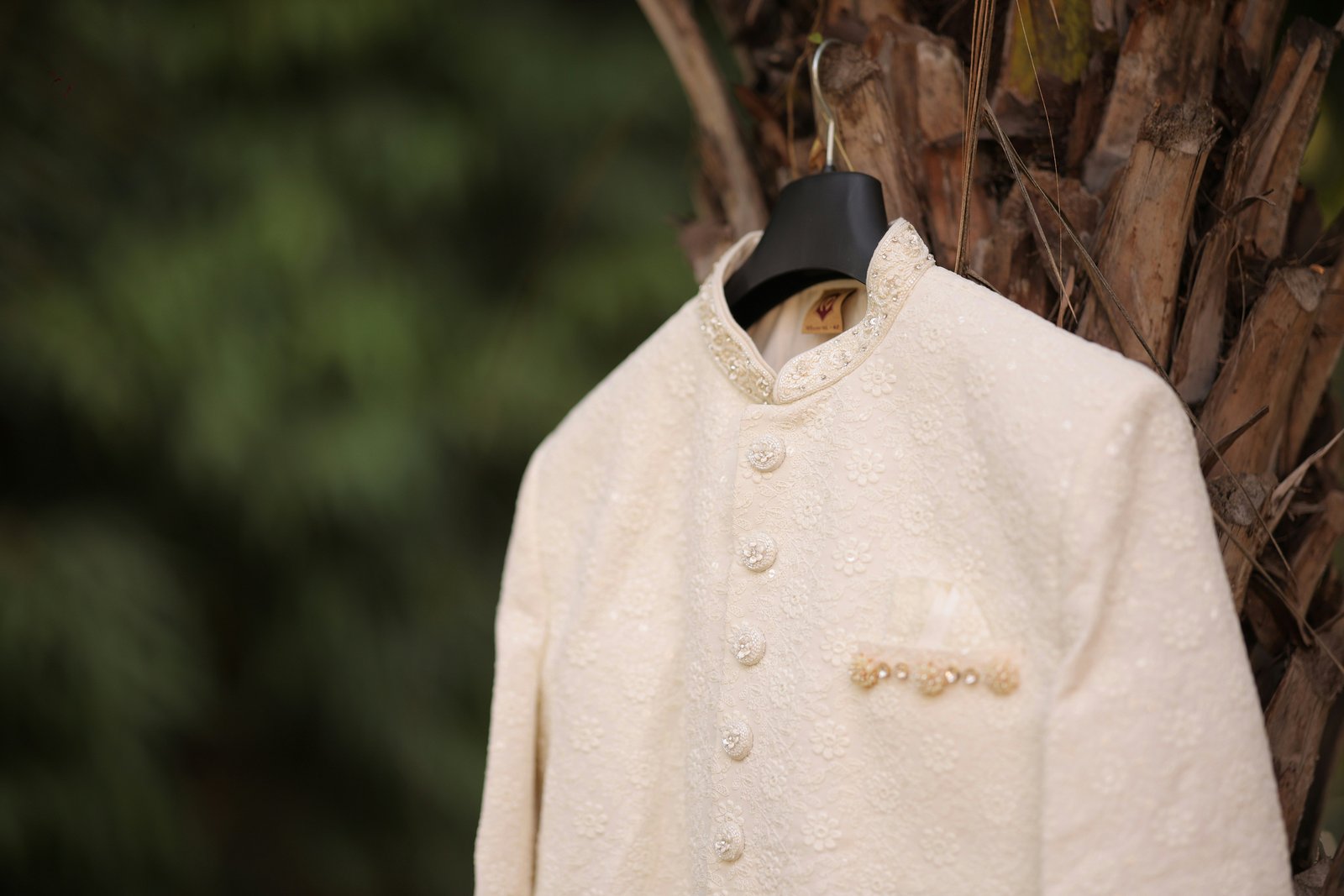
The Mandarin jacket trend is a case study in how fashion operates on a global stage. It is commerce, culture, identity, and debate all stitched together. For shoppers, it is a $149 jacket that feels unique. For critics, it is an example of a deeper pattern of erasure.
In the end, the jacket may best be recognized for what it is: a garment that exists halfway between misinterpreted information and viral aesthetics. Not a heritage to be preserved, but a form in motion.