Farzana, a 40-year-old midwife, serves families across 10 villages in Afghanistan’s Moqor district in Ghazni province. Until recently, concerned mothers regularly shared images of newborns with rashes, swelling, or skin conditions, enabling them to assess which infants needed immediate medical care first.
However, since the Taliban started enforcing a smartphone ban that came into effect in June, Farzana says she no longer uses her smartphone because she fears the consequences. She is now only accessible through a basic mobile phone, a more expensive communication option in a country where many people depend on WhatsApp for calls, messages, sharing photos, and handling urgent coordination.
“I cannot be everywhere at once,” said Farzana, who, like many Afghans, goes by one name. “Sometimes a photo or a message helps me understand whether a mother or newborn needs urgent help.”
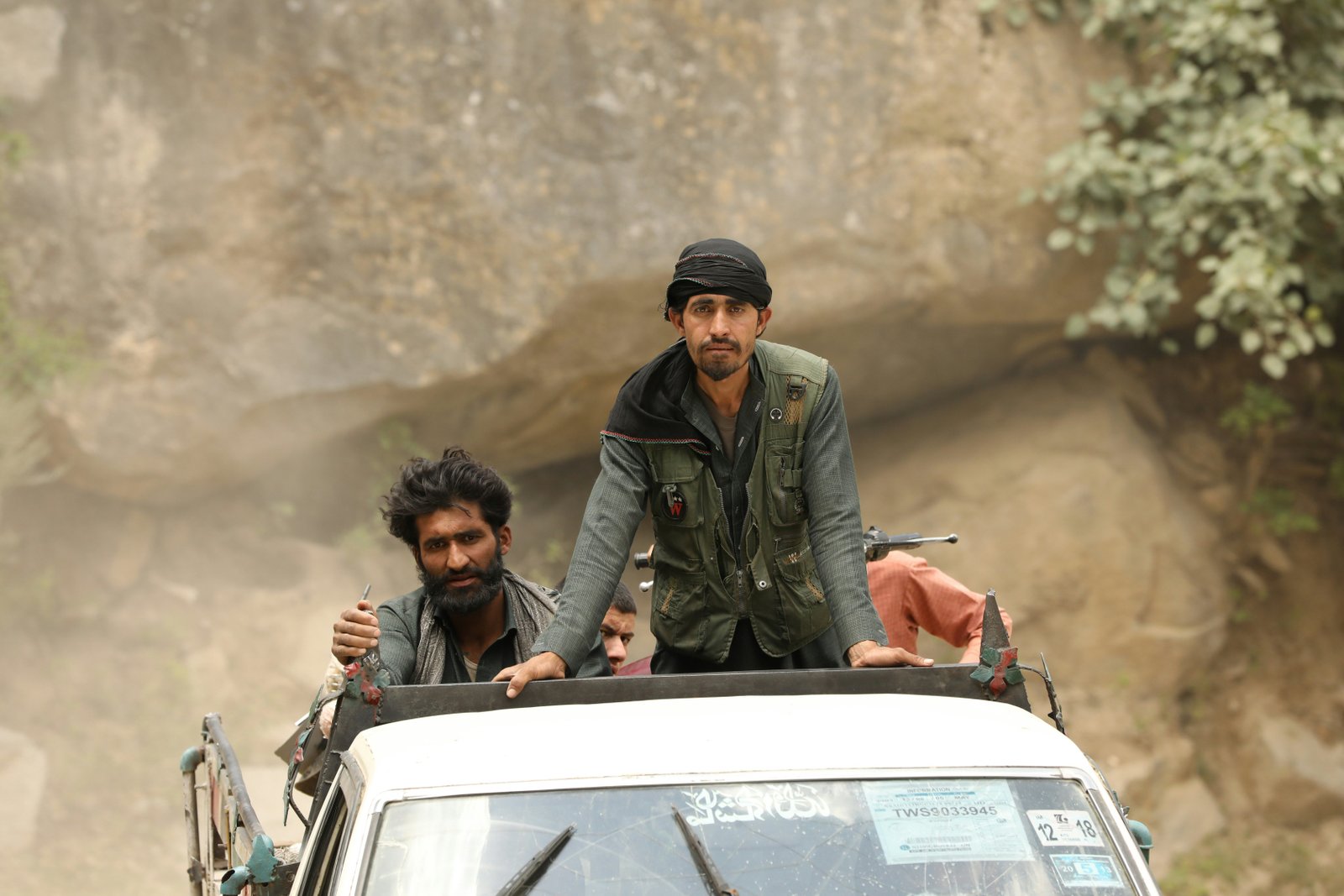
Throughout Afghanistan, smartphones have evolved into a vital tool for daily survival. Many households rely on them to obtain remote medical consultations, coordinate travel to healthcare centres, send photos of illnesses and injuries for assessment, ask relatives for financial assistance, record incidents of abuse, and continue learning through online platforms after in-person education became inaccessible to many girls and women. That already limited lifeline is now at risk.
Authorities under the Taliban in Afghanistan have directed government workers, judges, police officers and military personnel to stop using smartphones under a policy that came into force on June 16. Those who fail to comply risk having their devices seized and destroyed, in addition to facing disciplinary measures that have not been clearly defined.
Under the directive, the use of feature phones is still allowed. These devices support only basic functions such as voice calls and text messaging, without touchscreens, cameras, or recording features.
The restriction does not currently extend to the private smartphone use of ordinary Afghan citizens. However, some provinces have already expanded the policy beyond government institutions to include hospitals, schools and universities, fuelling concerns that it could pave the way for wider restrictions on smartphone use among the general public.
The restrictions were initially introduced through a verbal directive from Taliban supreme leader Hibatullah Akhundzada before being formalised in a military court order distributed to court leaders, police commanders and intelligence officials across the country’s eight administrative zones.
The directive states that anyone found using a smartphone will have the device destroyed and be subjected to “legal and sharia punishment.” It also specifies that exemptions can only be granted through a written authorisation from Akhundzada himself. A separate court order extends the policy to all personnel in military and civilian institutions, including judges.
The Taliban have also introduced monitoring records containing employees’ names, job titles, workplaces, mobile network providers and phone numbers. In addition, security personnel have been instructed to destroy their smartphones and provide documented proof of compliance using an official verification form.
A government employee in Herat, who asked NPR to withhold his identity for fear of retaliation from the Taliban, said smartphone restrictions had already been enforced in his office for several months before the nationwide directive took effect in June. According to him, when he and his colleagues refused to comply, officials seized their phones and destroyed them.
The directive was issued shortly after protests erupted in Herat in early June following the arrest of women and girls accused of wearing what the Taliban described as “improper hijab” — failing to cover their faces and bodies according to the prescribed dress code or wearing makeup. Witnesses said Taliban fighters opened fire on the protesters, leaving at least one person dead. Footage of the shooting circulated widely online before authorities were able to suppress it.