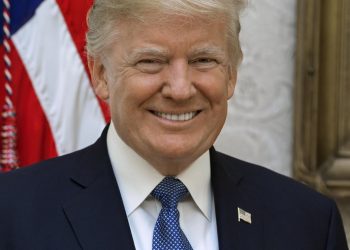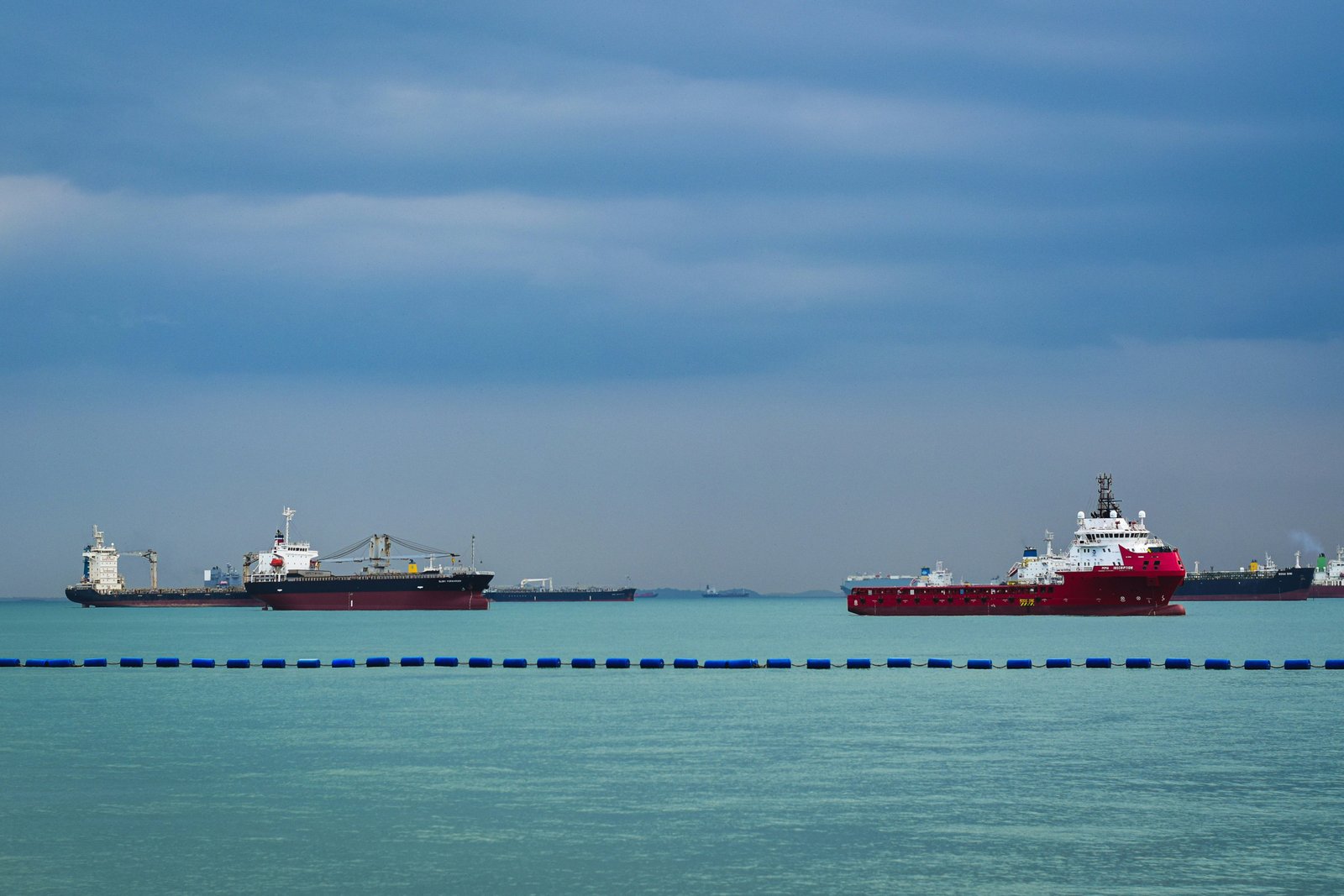

The United States launched its third consecutive night of strikes on Iran on Monday, hours after President Donald Trump announced Washington would reinstate a maritime blockade on the country and, in an apparent policy reversal, charge ships for safe passage through the strait.
Trump told conservative radio host Hugh Hewitt: “We’re going to hit them very hard tonight and we’re going to hit them hard tomorrow – and there’s not a damn thing they can do about it.” He added: “They have nothing. They have nothing going, other than they have big mouths.”
The strikes come as the US-Iran interim ceasefire has effectively collapsed, with heavy drone and missile exchanges taking place over the weekend.
The New Blockade and Tariff
Trump announced the US would demand a 20% tariff on all cargoes shipped through the Strait of Hormuz. He suggested the US should be known as the “guardian of the Strait of Hormuz.”
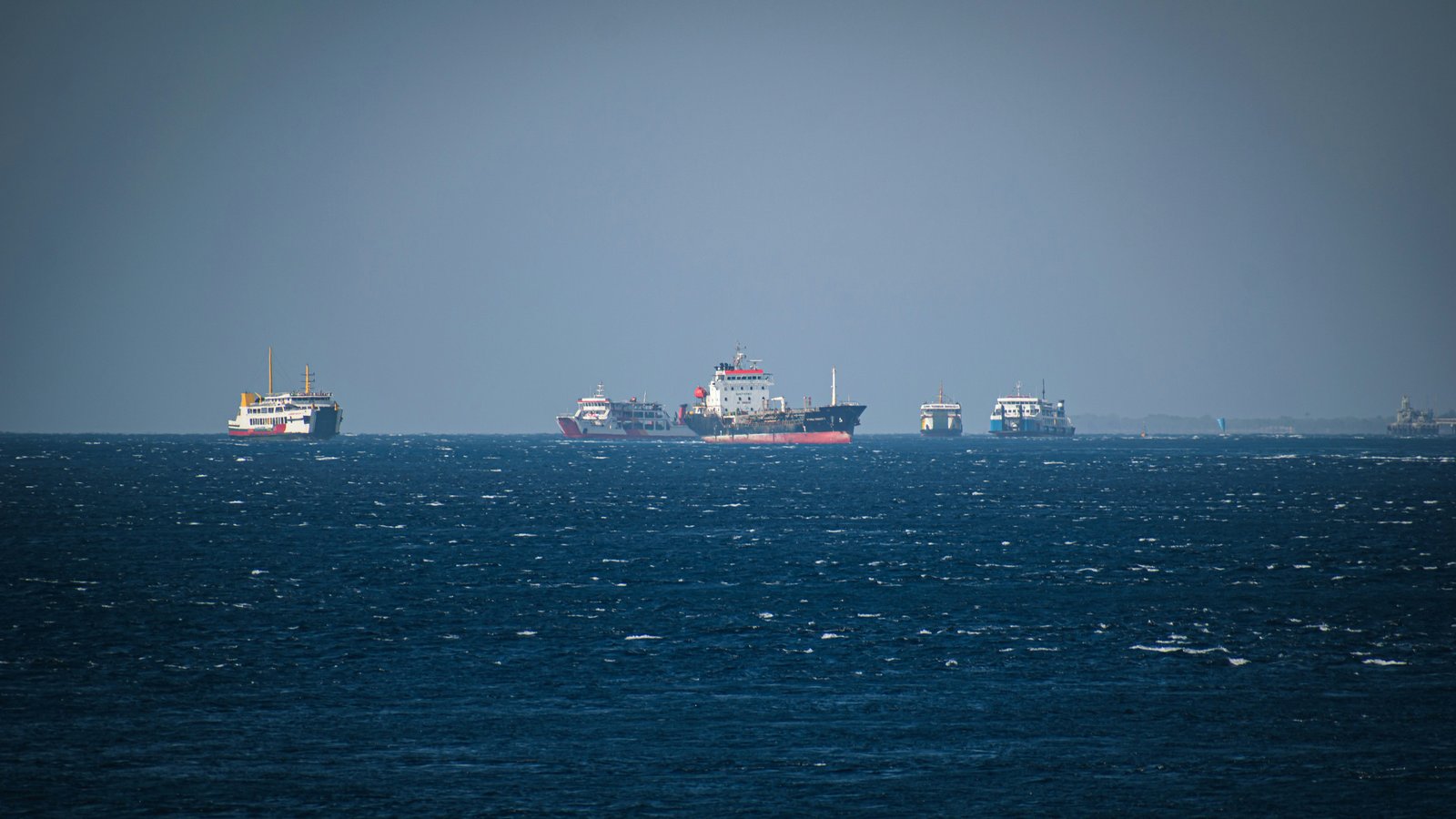
The US Navy-led Joint Maritime Information Center said the blockade would begin Tuesday night, covering all Iranian ports, oil terminals, and coastal areas. “Any vessel suspected of entering or departing the blockaded area without authorization is subject to interception, diversion and capture,” the statement read.
The policy reverses the US’s previous stance that no country should be allowed to charge fees for passages used for international navigation. Last month, Secretary of State Marco Rubio said: “No country is allowed to charge tolls or fees on an international waterway. That’s existing international law.”
The Ceasefire Collapse
Iran and the US are theoretically halfway through a 60-day interim deal meant to set up talks for a permanent end to the war. In reality, that deal has devolved into a series of attacks over the strait, with the near-total collapse of the ceasefire.
Trump sent Congress formal notification that hostilities against Iran had resumed on July 7, opening a new 60-day window to use the military in the region without congressional approval.
Iran’s Response and Attacks
Iran’s Islamic Revolutionary Guard Corps accused the US of jeopardising global oil and gas supplies. IRGC spokesperson Hossein Mohebi said Washington had “seriously endangered the security of the world’s oil and gas supply and must be held accountable.”
Iran’s attacks on Sunday extended to Qatar, a mediator in ceasefire talks that had not come under attack since April. The UAE said two national tankers were targeted by Iranian cruise missiles, killing one Indian crew member and wounding eight others.
International Reaction
The International Maritime Organization said it was waiting to find out more about Trump’s proposal, but added:
“We have always been consistent on our stance on fees – IMO stands firmly against charging fees for passage through straits used for international navigation. There is no legal basis through which to introduce mandatory tolls simply to transit through a strait.”
Economic Impact
Brent crude oil rose 7.8% to $81.92 a barrel on Monday, still well below the $120 reached at the height of the war. The conflict has driven energy prices higher and fuelled global inflation — a politically sensitive issue for Trump ahead of November’s congressional elections.
The Bottom Line
The US has launched its third consecutive night of strikes on Iran as Trump announces a maritime blockade and a 20% tariff on cargo ships passing through the Strait of Hormuz. The interim ceasefire has effectively collapsed, with heavy exchanges of fire. Iran has threatened to contest the US moves, and the UN’s shipping agency has said there is no legal basis for charging tolls on international waterways.