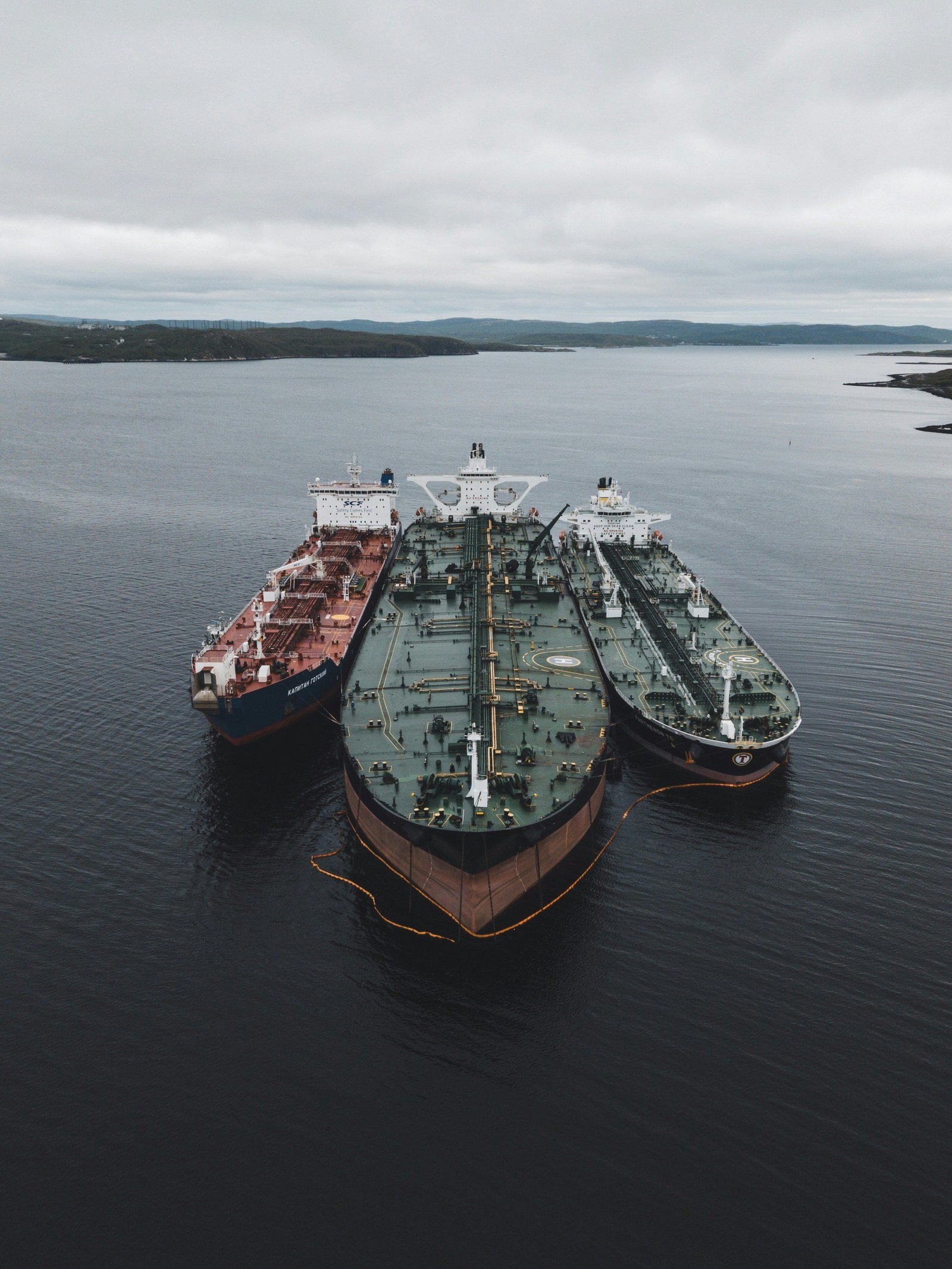

The United States has struck an oil tanker in the Gulf after claiming it was heading for Iran’s largest oil export terminal, while reimposing a blockade on Iranian ports.
According to the US Central Command (CENTCOM), the tanker Belma ignored repeated warnings as it approached the Kharg Island oil terminal. CENTCOM said a US aircraft disabled the vessel by firing Hellfire missiles into its smokestack.
President Donald Trump on Tuesday reinstated restrictions on Iranian ports, citing what the United States described as repeated Iranian attacks on commercial ships transiting the Strait of Hormuz after days of military exchanges between both countries.
The decision followed Trump’s announcement that an earlier ceasefire had ended, marking a renewed escalation in hostilities between Washington and Tehran.
A US-led naval blockade targeting vessels travelling to and from Iranian ports remained in force from April 13 to June 18. During that period, Washington said it diverted more than 140 ships and disabled nine vessels.
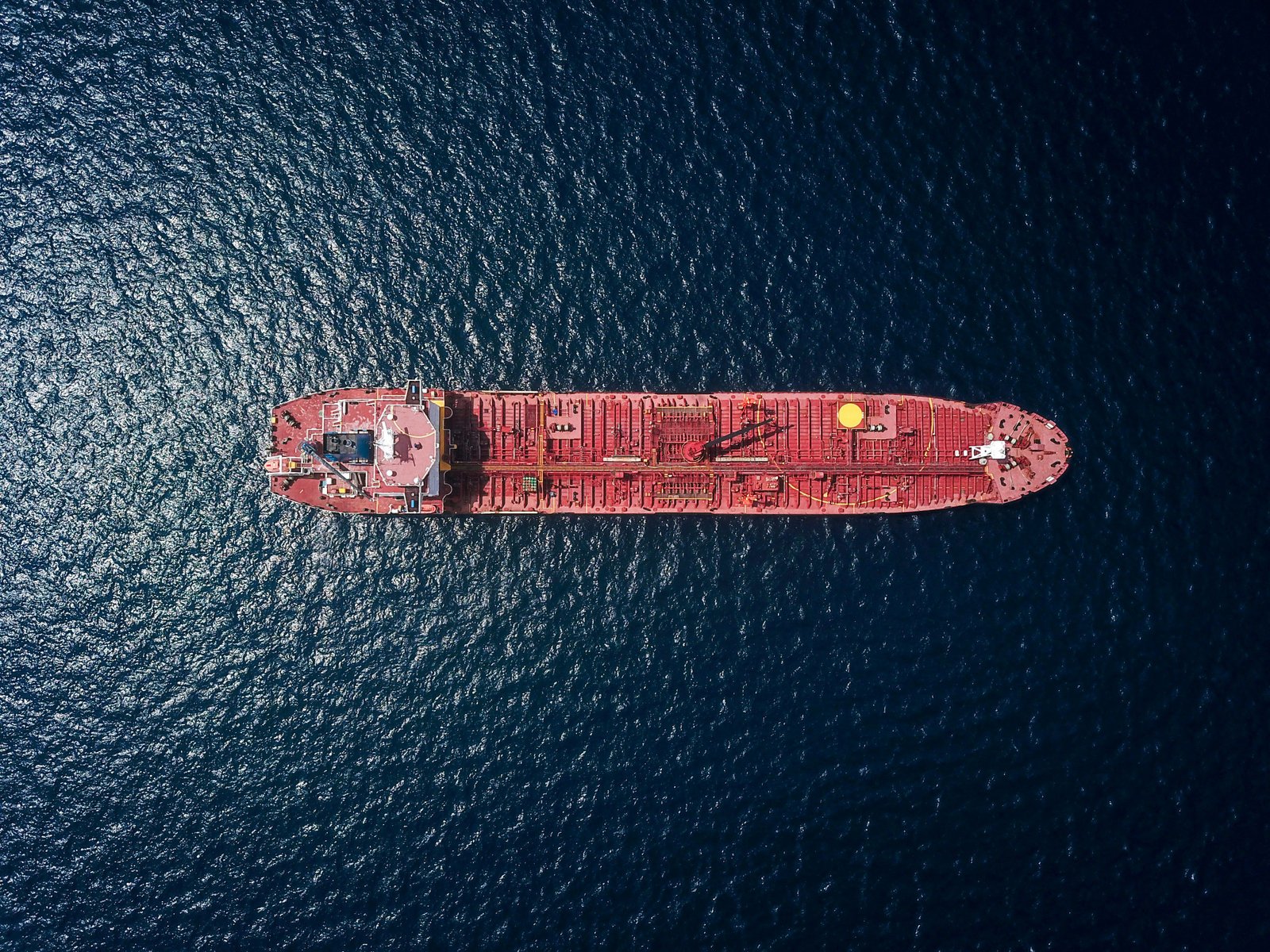
The blockade and major US sanctions on Iran’s oil exports were suspended under a ceasefire agreement reached on June 17. Before the restrictions were reinstated, analysts estimated that Iran exported at least 74 million barrels of oil, generating revenues of up to $6 billion.
Alongside the strike on the Belma, the US Central Command (CENTCOM) said it also redirected two other commercial vessels after they complied with instructions to alter their course.
According to data from the ship-tracking platform MarineTraffic, the Belma, which had previously been sanctioned by the United States under a different name over alleged links to Iran, entered the Gulf on Tuesday after passing through the Strait of Hormuz.
The vessel was reported to be sailing without cargo and last transmitted its position about 100 kilometres (63 miles) southeast of Kharg Island on Thursday.
Ship-tracking data showed that another crude oil tanker under US sanctions over alleged links to Iran turned back on Thursday, returning to Iranian waters in the Gulf of Oman.
The vessel, Fuyao, had been listed on MarineTraffic as sailing to Pakistan with a cargo of crude oil. However, it remains unclear whether the change in course was prompted by US enforcement of the renewed naval blockade.
Under the terms of the ceasefire agreement, the United States temporarily suspended some of its long-standing sanctions by issuing a licence that allowed Iran to resume certain oil sales and receive payments in US dollars.
According to Iran’s chief negotiator, Mohammad Bagher Ghalibaf, the arrangement enabled the country to sell its crude oil at prices approximately 20 per cent higher than those recorded before the conflict.
According to estimates by the monitoring group United Against Nuclear Iran (UANI) and shipping intelligence firm TankerTrackers.com, Iran exported no fewer than 74 million barrels of oil during the period when the blockade was suspended. UANI estimated the exports generated over $6 billion (£4.4 billion) in revenue.
The United States, however, tightened the temporary sanctions relief again last week, citing a series of alleged Iranian attacks on commercial ships operating in the Strait of Hormuz.
Traffic through the strategic Strait of Hormuz has continued to decline over the past week, remaining well below the pre-conflict average of 138 vessel crossings per day.
Preliminary figures from maritime intelligence company Kpler showed that only 11 fuel tankers and cargo ships passed through the waterway on Wednesday, compared with 17 vessels on Monday and 16 on Tuesday.