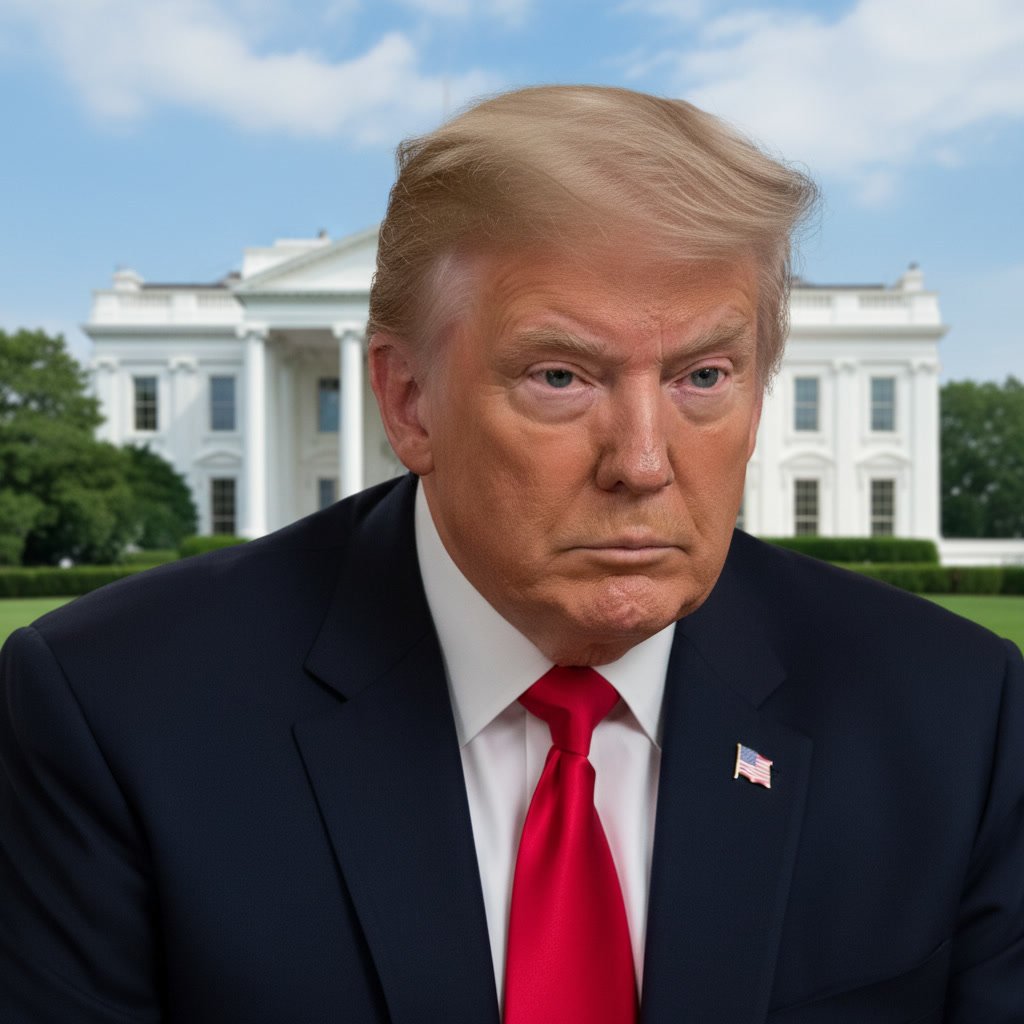

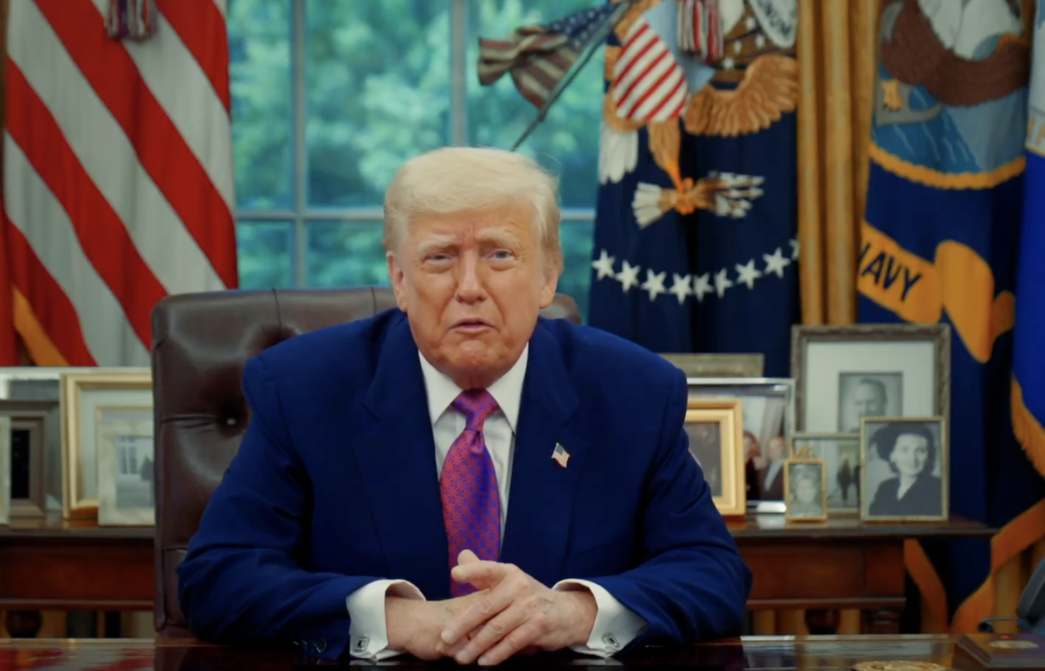
Major US television networks’ Trump speech decisions are currently under intense scrutiny as the White House prepares for a scheduled Trump primetime address tonight. With the critical midterm elections just four months away, broadcasters face a massive dilemma: do they grant the president free airtime, or do they block a speech that critics warn could spread unverified claims? Historically, networks have carried standard presidential addresses as a matter of public interest, but the increasingly polarized political climate has turned this routine decision into an editorial fight.
Television Networks Trump Speech Dilemma
Broadcasters like ABC, CBS, and NBC are caught between a rock and a hard place. If they choose to skip the Trump primetime address, they risk facing immense political backlash and regulatory pressure from an administration that has consistently challenged mainstream media organizations.
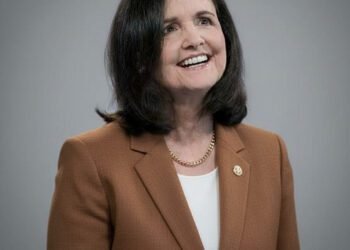
On the other hand, airing the election security speech without live fact-checking invites heavy criticism from Democrats. Representatives like Alexandria Ocasio-Cortez have publicly urged networks to deny Trump a platform, pointing out his long history of promoting debunked claims about the 2020 election. For example, Fox News is likely remembering its historic $787 million defamation settlement over false election claims. This makes the choice of carrying a live, unedited election security speech a massive legal liability for any station.
Corporate Pressures and Media Coverage Bias
Beyond the immediate political fight, the corporate world behind these networks complicates the situation. ABC is already dealing with Federal Communications Commission (FCC) inquiries over whether its daytime programming violated equal-time rules. Meanwhile, Paramount (the parent company of CBS) is navigating a complex takeover bid that requires regulatory approval.
With the government holding the power to approve major media mergers, executives are incredibly wary of doing anything that might irritate the administration. This subtle leverage heavily influences how decisions regarding media coverage are made behind closed doors, raising questions about whether editorial independence is being compromised for corporate survival.
My Opinion
In my view, the debate over whether these networks should air the speech highlights a deeper, more worrying problem in modern journalism. When did it become the job of corporate media executives to decide what the public is allowed to hear from a sitting president?
Yes, Donald Trump has a track record of using live broadcasts to push personal grievances and unverified claims. That is a valid concern. But the moment networks decide to preemptively block a presidential address, they stop acting as journalists and start acting as political gatekeepers.
The healthier, more professional path is to carry the address but run a rigorous, real-time fact-check alongside it. Give the public the raw information, but provide the necessary context. When networks simply refuse to broadcast the speech, they don’t solve the misinformation problem; they only feed into the narrative that the mainstream media is actively silencing specific political voices. This ultimately damages public trust even further.
Bottom Line
The decision made by major television networks to program Trump’s speech tonight will set a new system for the upcoming midterms. Whether they prioritize corporate safety, political pressure, or journalistic duty, the public’s relationship with media gatekeepers is shifting. Balancing the duty to report on a Trump primetime address with the responsibility to prevent the spread of misinformation remains the most difficult challenge in modern media coverage.