Trump’s Brazil tariffs send confusion through the country’s upcoming presidential election. Rather than weakening the leftist government in Brasília, Washington’s aggressive decision to slap a 25% tax on thousands of Brazilian imports is rapidly turning into a major political miscalculation. Instead of hurting President Luiz Inácio Lula da Silva, the heavy economic pressure has triggered domestic backlash that could accidentally secure a major Lula election win this October.
The Surprising Backlash Against Trump’s Brazil Tariffs
The diplomatic issue began when the U.S. Trade Representative announced the heavy new import taxes, citing allegations of unfair trade practices. However, Lula and his supporters quickly pointed out that the tariffs were heavily lobbied for by the family of far-right former President Jair Bolsonaro. Many voters now view the economic measures as a direct attempt by foreign powers to interfere with Brazil’s democratic sovereignty.
According to a fresh national poll by Quaest, 42% of Brazilian respondents said the trade dispute has pushed them to support Lula, compared to just 27% for his main right-wing rival, Senator Flavio Bolsonaro. The data suggests that trying to squeeze Brazil’s economy has only united the country against external bullying, turning Trump’s Brazil tariffs into a highly effective campaign tool for the leftist incumbent.
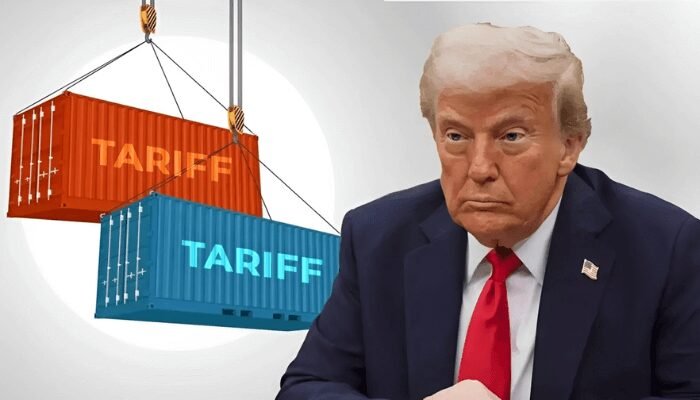
How the Trade War Is Reshaping the Presidential Election
The trade dispute has forced Flavio Bolsonaro into a difficult political corner. Although the younger Bolsonaro has tried to shift the blame to Lula’s refusal to negotiate in good faith, public perception is not on his side. Because Donald Trump previously linked trade penalties directly to the criminal trials of Jair Bolsonaro, most Brazilians believe the Bolsonaro family actively worked with the U.S. government to harm their own country’s economy for political gain.
With 63% of the public fearing that the trade barriers will directly hurt their families’ finances, the political narrative has completely shifted. Lula has successfully framed himself as a defender of national pride, promising robust retaliatory measures under Brazil’s Reciprocity Law.
My Opinion
Trying to bully a foreign nation’s voters into changing their government almost never works out the way Washington expects.
By using Trump’s Brazil tariffs as a political hammer to help the Bolsonaro family, the White House has made a massive strategic error. Latin American nations have a long, painful history of U.S. intervention, and nothing unites voters across the political spectrum faster than the feeling that a foreign “gringo” power is trying to dictate their future.
By pushing so hard, Trump has essentially handed Lula the ultimate campaign narrative. Lula no longer has to defend his domestic economic struggles, instead, he gets to run as the proud national leader standing up to American economic aggression. If Flavio Bolsonaro loses the presidential election in October, he can thank the heavy-handed tactics of his allies in Washington for sinking his campaign.
Bottom Line
The ongoing trade war shows that economic pressure is a blunt instrument that often produces unexpected political results. As the October vote approaches, the unintended consequence of Trump’s Brazil tariffs is becoming obvious. Instead of isolating the current administration, the policy has triggered a wave of national solidarity that might just pave the way for a decisive Lula election win