The Secret Service Qatari jet rejection comes down to one clear factor: presidential safety. When President Donald Trump traveled home from the NATO summit in Turkey, the U.S. Secret Service urged him to switch from his new luxury Qatari-gifted Boeing 747 back to the older, heavily armored Air Force One. The reason was simple. The region was experiencing heightened military tensions with nearby Iran, and the newly retrofitted Qatari plane simply lacked the advanced anti-missile defense systems and electronic countermeasures built into the traditional fleet. While the White House initially framed the aircraft swap as a routine decision, official reports confirmed that security agencies stepped in because the gifted luxury liner was not fully equipped for high-risk airspace.
The Security Gaps Behind the Secret Service Qatari Jet Rejection
Converting a commercial or private luxury airliner into a fully functional presidential aircraft is an engineering task that usually takes years. The Qatari-donated Boeing 747 underwent a rushed, 10-month overhaul to get it into service quickly. While defense contractors added high-level communications systems, several critical military-grade protections were left out to meet tight deadlines.
The classic Air Force One planes (VC-25A models) are essentially flying fortresses. They feature:
Advanced Anti-Missile Countermeasures: Infrared lasers designed to blind heat-seeking missiles and chaff dispensers to confuse radar-guided threats.
Electromagnetic Pulse (EMP) Hardening: Shielding that allows the plane’s flight controls and electronics to survive the blast wave of a nuclear explosion.
Secure Command Capabilities: Military communications hardware that lets the president direct nuclear and conventional forces during a global crisis.
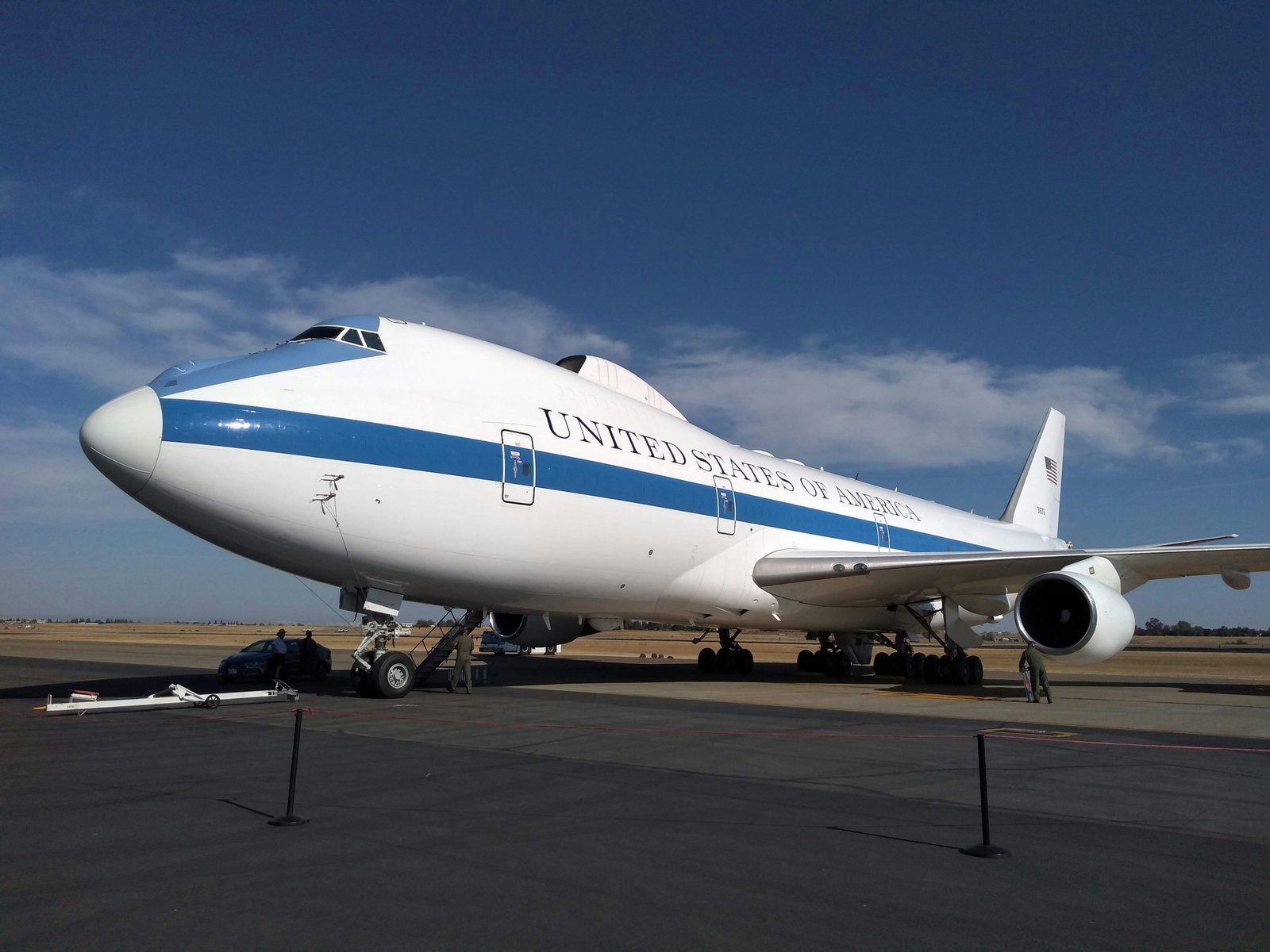
Because the Qatari jet was originally designed for royalty rather than wartime combat, it lacked these purpose-built military defenses. Flying near volatile airspace without these systems created an unacceptable security risk, leading directly to the Secret Service’s rejection of the Qatari jet during the trip home from Turkey.
My Opinion
This whole event was completely predictable, and accepting the plane was a mistake from day one.
You cannot take a shortcut when it comes to the safety of the U.S. president. Flying the leader of the country in an aircraft handed over by a foreign government, no matter how friendly the diplomatic ties are—opens up huge security risks. Even if defense teams tear down and rebuild every panel, verifying that there are no hidden tracking devices, hardware bugs, or electronic vulnerabilities takes immense effort.
Beyond the foreign gift aspect, the timeline itself was unrealistic. Building a real Air Force One takes years because every single wire, sensor, and defense panel must be custom-fitted and tested. Trying to rush that process in less than a year to get a luxury plane into the air was always going to force dangerous compromises.
Splashing a flashy red, white, and blue paint job on a royal luxury jet might look impressive on a runway, but luxury means nothing if the plane cannot defend itself against a missile in hostile airspace.
The fact that the Secret Service had to step in midway through an international trip speaks volumes. It proves that when real-world threats emerge, image takes a backseat to basic survival features. Sending the plane back into the hangar for a month of extra upgrades is an admission that the initial rollout was premature.
Bottom Line
The Secret Service Qatari jet rejection highlights a fundamental truth: presidential travel requires military survival gear, not just luxury interiors. Moving forward, the White House announced that the gifted jet will be grounded for about a month while technicians install the necessary military upgrades to bring it up to standard. Until those defense systems are fully installed and tested, the president will continue flying on the older, battle-tested Air Force One fleet.